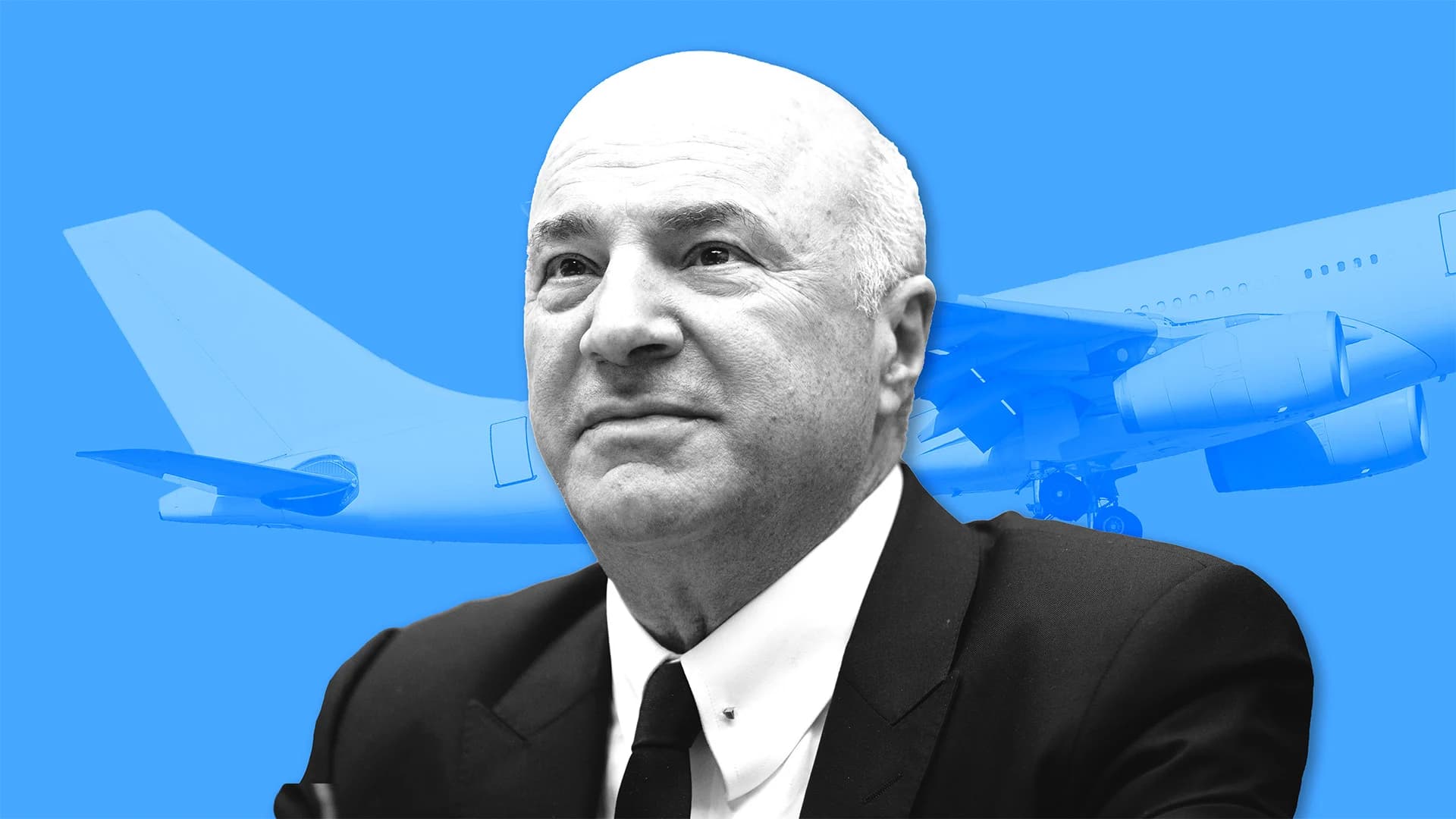
Photo via Inc.
Kevin O'Leary, the prominent investor and television personality, has publicly criticized government bailouts as fundamentally misguided policy that distorts market dynamics. According to Inc., O'Leary's critique focuses on how rescue packages for struggling corporations—such as the reported $500 million support for Spirit Airlines—ultimately penalize companies that operate efficiently and make sound business decisions.
O'Leary's central argument challenges the common rationale used to justify corporate bailouts: job preservation. While acknowledging that layoffs create hardship, he contends that allowing failing businesses to fail is essential to maintaining a competitive marketplace. This perspective aligns with free-market economic theory, which holds that companies unable to adapt or operate profitably should exit the market, freeing resources and talent for stronger competitors.
For Atlanta's business community, this debate carries particular weight given the region's growing logistics and transportation sectors. Airlines and related industries employ thousands across Georgia, yet the tension between protecting jobs and enforcing market discipline remains unresolved. Local business leaders must weigh whether government intervention helps sustain regional employment or merely delays inevitable restructuring.
The broader implications extend beyond aviation. O'Leary's position suggests that selective bailouts create moral hazard—incentivizing poor management by signaling that failure will be subsidized. This raises questions about fair competition and whether Atlanta-based companies operating under stricter cost controls should accept market disadvantages created by government rescue packages for competitors.