Photo via Inc.
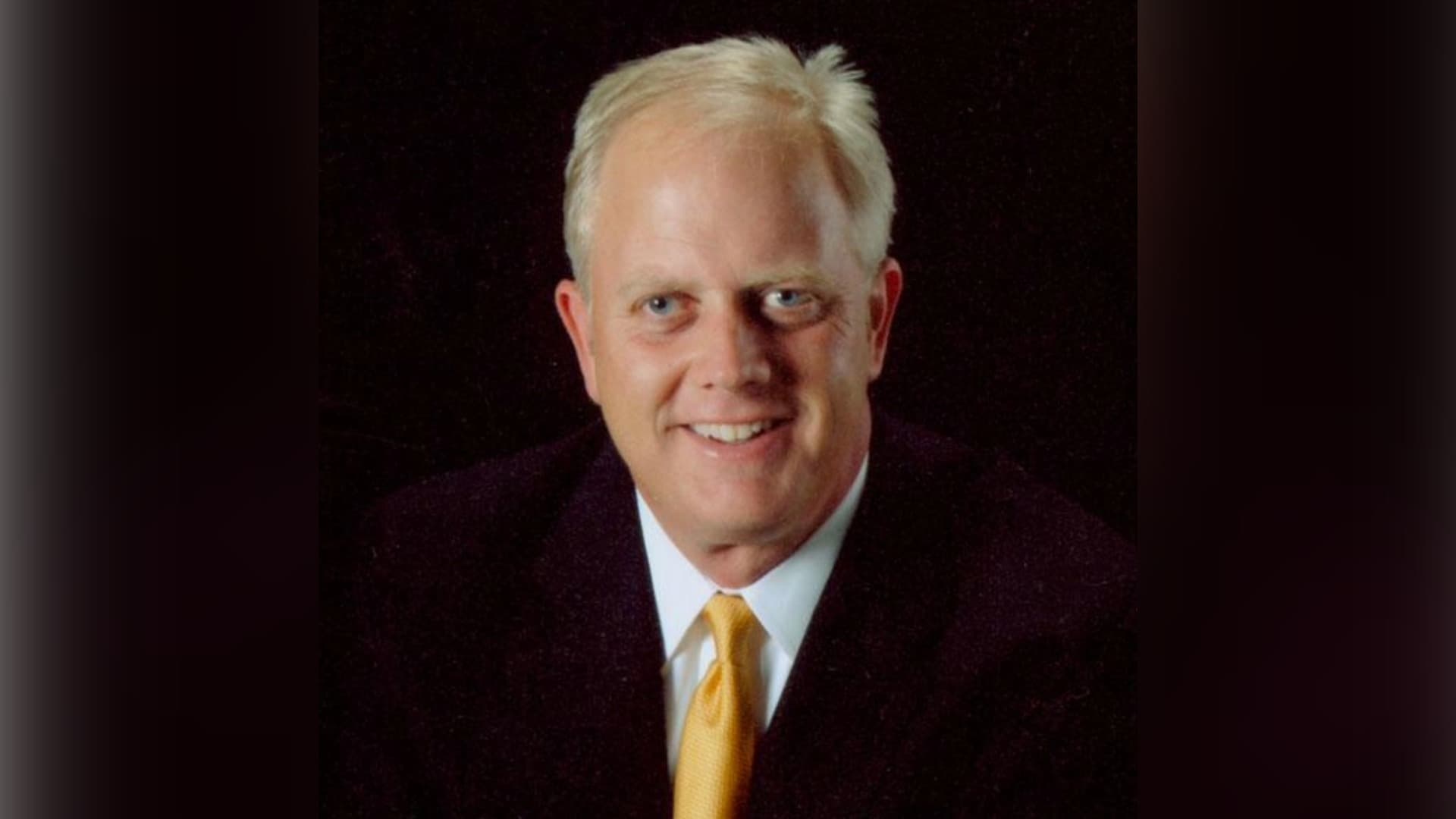
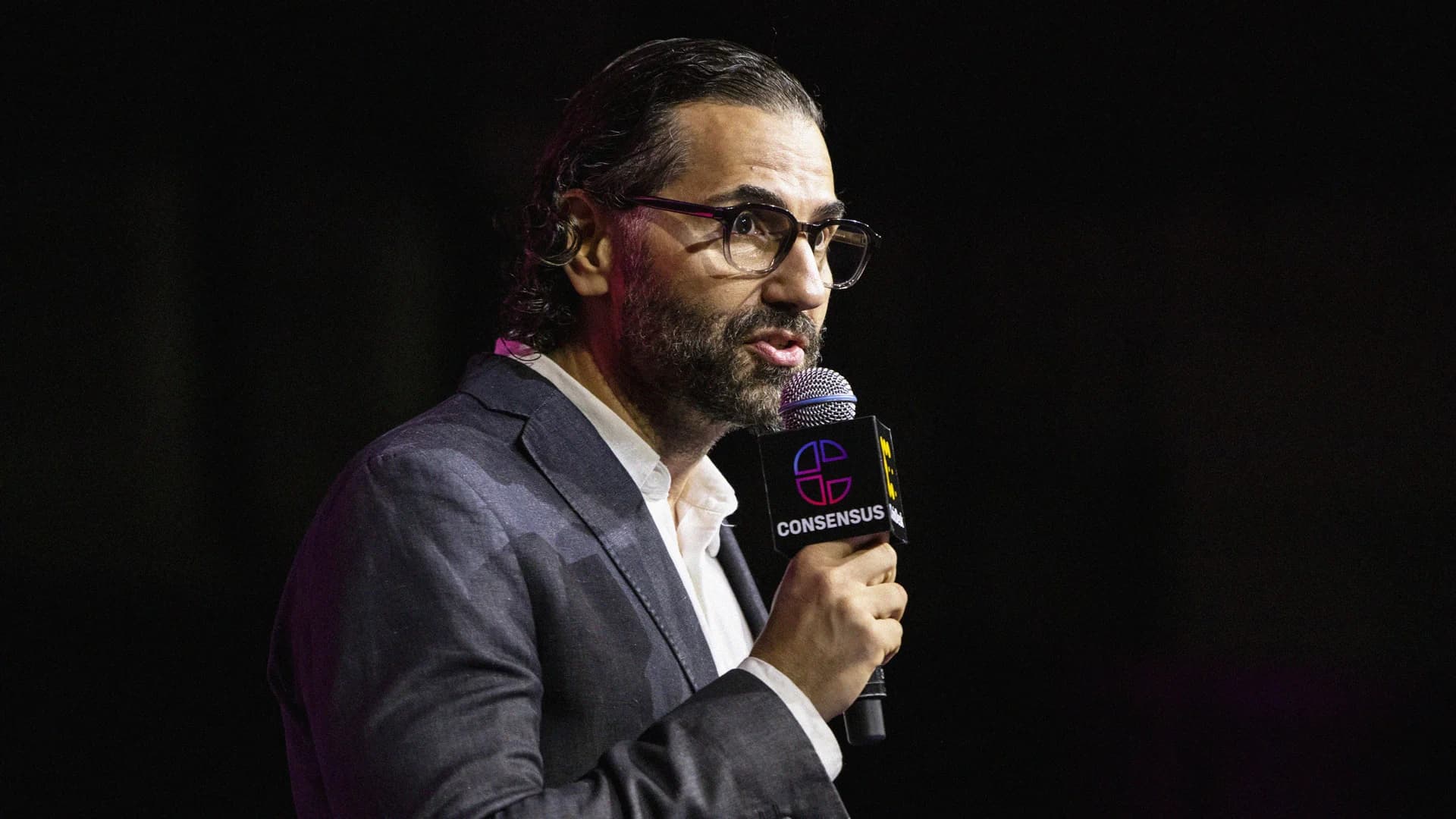
Sam Tabar's transition from a prominent career in law and banking to founding entrepreneur demonstrates that calculated risk-taking can pay dividends. After establishing himself in high-stakes financial roles, Tabar made the bold decision to pursue his own ventures—ultimately building two companies that would reach NASDAQ status. His journey offers valuable insights for Atlanta-area business leaders considering their own strategic pivots.
Rather than relying on gut instinct, Tabar developed a repeatable framework for evaluating risky decisions. According to Inc., his approach to vetting opportunities involves systematic analysis that balances opportunity potential against downside exposure. This methodology has proven effective in distinguishing between promising ventures and ventures better left unexplored, a critical skill for entrepreneurs managing their own capital and reputation.
The framework's applicability extends beyond Tabar's specific ventures. Atlanta's growing startup ecosystem—from technology to fintech to logistics—can benefit from structured decision-making processes that reduce the emotional component of entrepreneurship. Founders and C-suite executives often face similar crossroads: when to double down on an existing opportunity versus when to pursue something entirely new.
For professionals in Atlanta's financial services sector and beyond, Tabar's trajectory illustrates that established corporate success need not preclude entrepreneurial ambition. His experience navigating both environments—corporate hierarchy and startup uncertainty—provides a roadmap for executives considering their next chapter, whether that means launching a venture or implementing systematic risk frameworks within existing organizations.