Photo via Fast Company
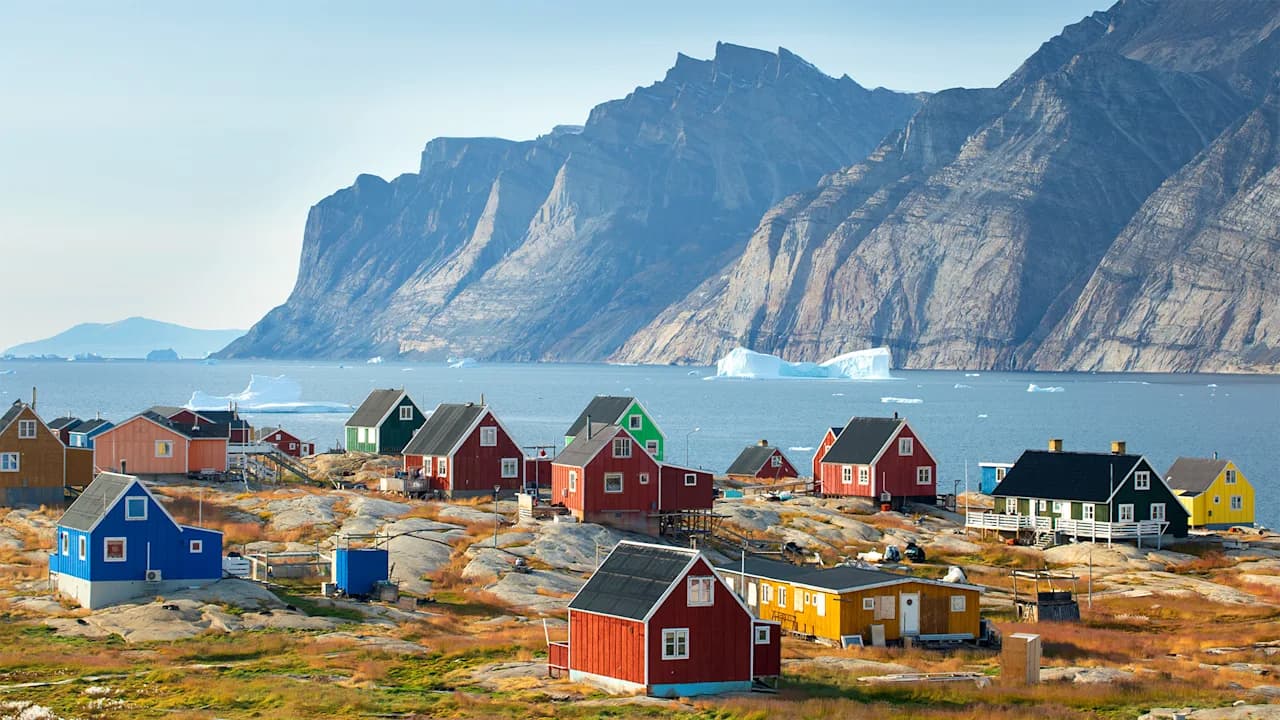
Denmark's decision roughly 50 years ago to remove 40% of Greenland from economic use—protecting nearly 1 million square kilometers as functioning Arctic ecosystem—appears economically irrational by conventional standards. Yet this move illuminates a fundamental flaw in how modern capitalism treats nature: as an input to be optimized for returns, not as critical infrastructure deserving categorical protection. The Georgia Tech and business community here in Atlanta increasingly grapple with similar tensions as development pressures mount and climate impacts accelerate.
The core problem, according to analysis from venture capital thought leaders, stems from how we've expanded the definition of capital over the past century. When ecosystems become 'natural capital' and forests become tradable assets, the economic system treats them as expendable once marginal extraction costs exceed returns. This logic ignores a basic physical reality: the economy is a subset of ecology. Data centers powering Atlanta's growing tech sector consume vast resources and electricity; every business ultimately depends on mined or grown materials. By the time ecosystem collapse becomes economically costly, irreversible damage has occurred.
Market-based solutions like carbon credits and biodiversity offsets, while well-intentioned, contain a structural flaw: if a higher-value use emerges, the same pricing logic justifies destruction. Palm oil plantations in Southeast Asia demonstrate this pattern—monocultures collapse within 25 years, yet economic signals alone cannot protect long-term productivity. The alternative is not abandoning markets but placing explicit boundaries around them, much like the global ban on organ trafficking. Once essential ecological functions are categorically protected, optimization can proceed more effectively within defined constraints.
For Atlanta-area business leaders, the takeaway is pragmatic: long-term prosperity requires identifying which natural systems function as irreplaceable infrastructure and protecting them by design rather than market price. Land managed for ecological regeneration retains productivity longer; supply chains built on stable environments face lower operational risk. Denmark's Greenland decision was not charity—it was systems thinking. The sooner businesses recognize this distinction, the lower the costs of adaptation will climb.