Photo via Fast Company
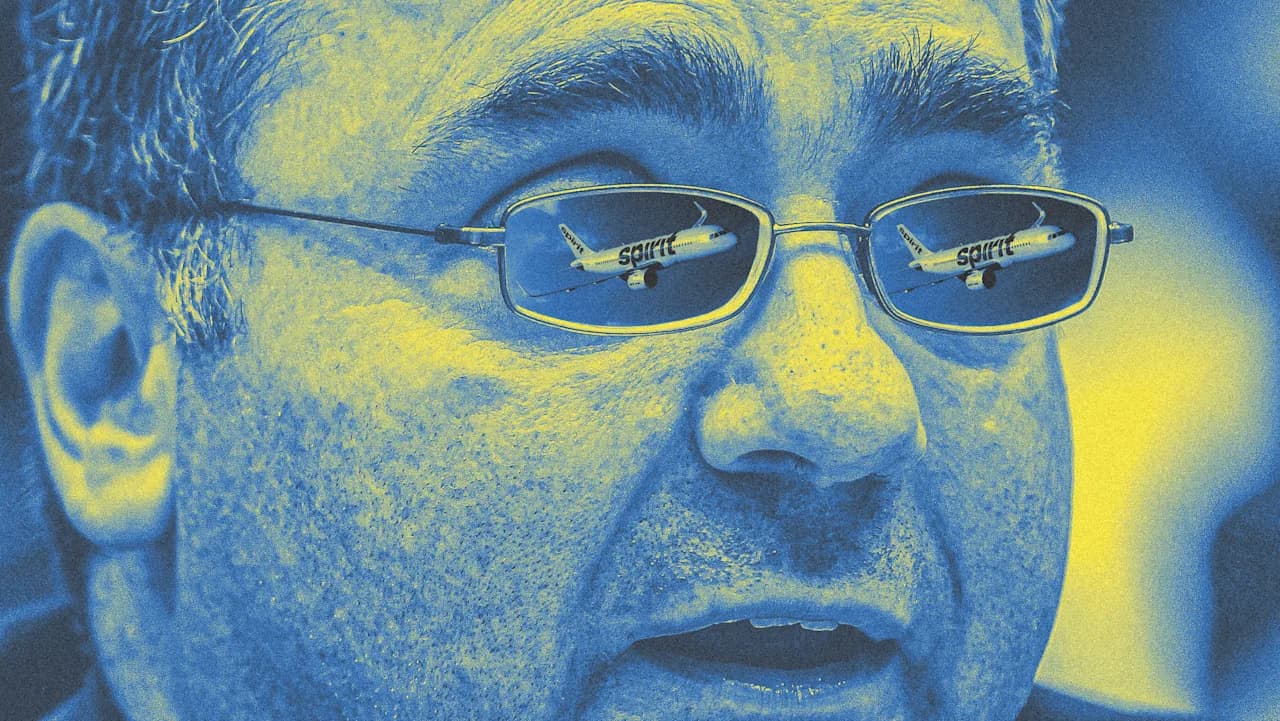
Spirit Airlines' shutdown this spring marks the end of a business model that fundamentally changed how Americans think about air travel—and not necessarily for the better. The carrier's collapse came just days after what felt like a final flight, one that embodied the chaotic experience Spirit became known for: cramped seating, hidden fees, and the persistent anxiety that something would go wrong. For Atlanta business travelers who've relied on budget carriers to reach secondary markets or cut travel costs, Spirit's demise signals a broader shift in the competitive landscape of domestic aviation.
Spirit pioneered what it called the 'bare fare' model under CEO Ben Baldanza, stripping away what most airlines considered standard: seat selection, carry-on bags, and snacks. According to a business ethics analysis, the airline generated more than 40 percent of its revenue from add-on fees rather than ticket sales—turning basic travel amenities into premium purchases. What Baldanza marketed as cost-savings for customers often felt like financial nickel-and-diming, with some passengers facing $100 charges for carry-ons discovered only at the gate.
Spirit's true innovation wasn't just aggressive pricing; it was deliberately obscuring those costs from consumers. The airline became infamous for confusing websites, multiple price points for identical services, and opt-out buttons designed to be nearly invisible. By 2014, Morgan Stanley rated Spirit the 'Most Profitable Airline in the World,' suggesting the strategy worked financially—at least temporarily. But the model proved unsustainable, and Baldanza was forced out in 2016 as public backlash mounted.
The lasting impact of Spirit's experiment extends far beyond its bankruptcy. Every major U.S. carrier—United, American, and Delta among them—has adopted variations of Spirit's à la carte pricing through their 'Basic Economy' fares. What began as a radical approach became industry standard, lowering ticket prices while simultaneously degrading the flying experience. For Atlanta's business community, this 'race to the bottom' means cheaper fares alongside reduced amenities and increased hidden costs, fundamentally altering how companies budget for employee travel.