Photo via Fox5 Atlanta
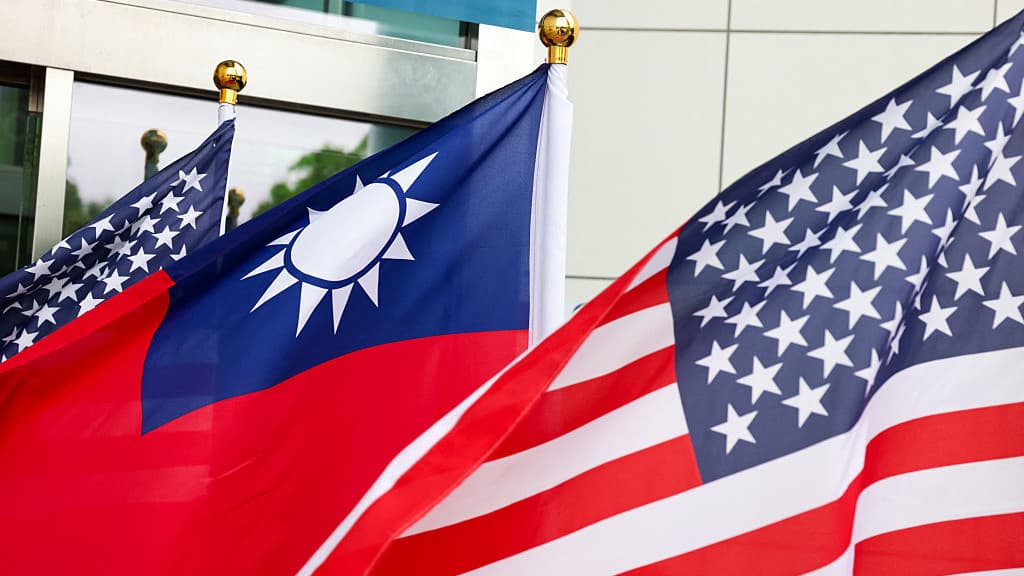
The U.S. State Department is reportedly reconsidering the timeline for a $14 billion military aid package to Taiwan as defense officials grapple with competing munitions demands from multiple global conflicts. According to Fox5 Atlanta, the delay would temporarily halt the massive weapons transfer to address domestic military supply constraints.
Taiwan's government has stated it has not received formal notification of any postponement to the arms sale, creating uncertainty about the deal's status and timeline. The apparent discrepancy between U.S. internal discussions and official communications to the island nation highlights the complexity of coordinating international defense agreements amid competing strategic priorities.
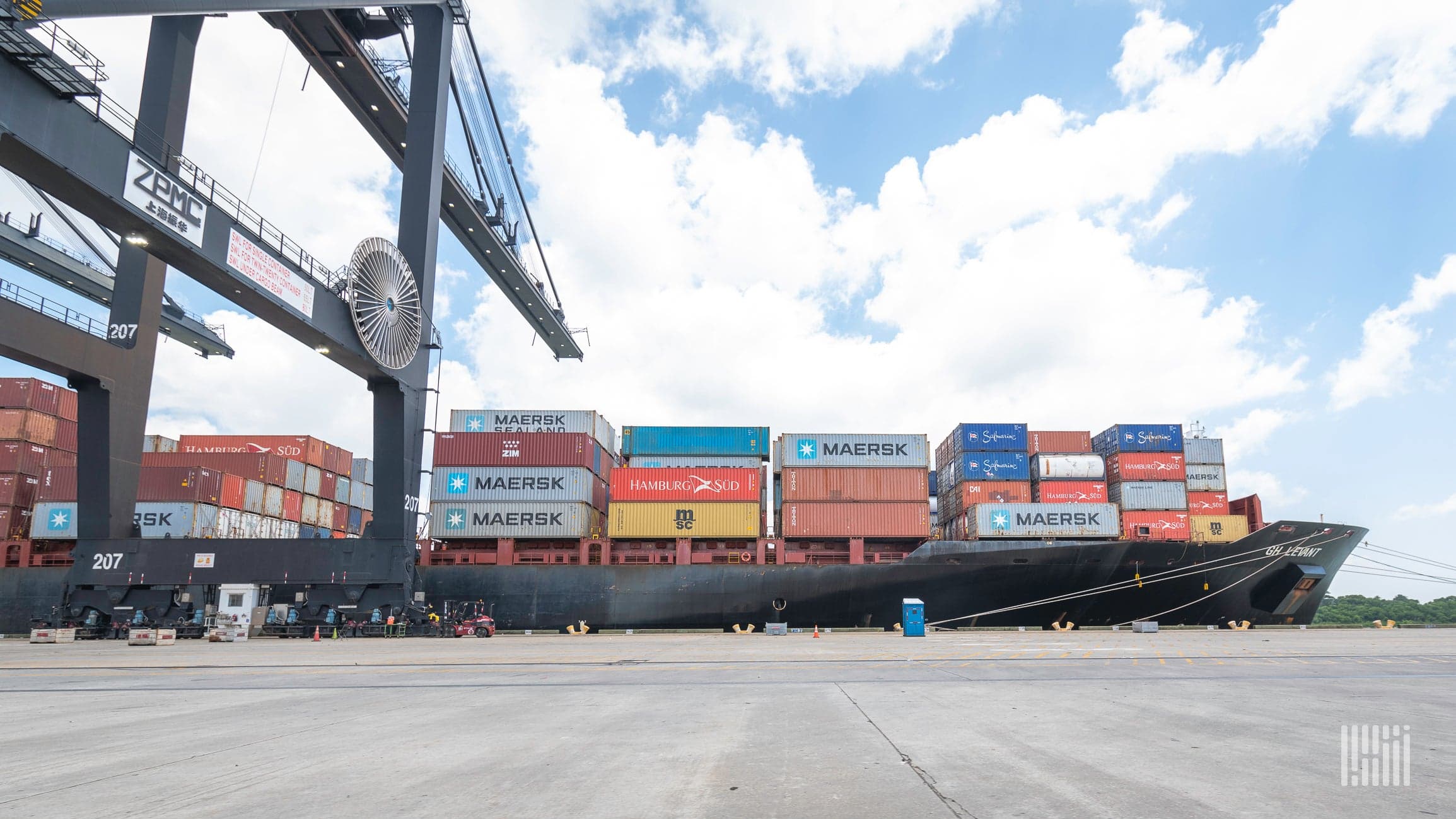
For Atlanta-area defense contractors and logistics companies that support military supply chains, delays in major arms packages can impact production schedules, workforce planning, and quarterly forecasts. Georgia's significant defense sector presence means potential ripple effects across manufacturing, transportation, and related industries that depend on predictable procurement cycles.
The situation underscores broader tensions in U.S. foreign policy as officials balance commitments to Taiwan—a critical regional partner—against immediate operational needs elsewhere. Business leaders tracking defense spending should monitor how this resolution evolves, as it may signal shifts in procurement priorities and budget allocation for fiscal 2024.