Photo via Fox5 Atlanta
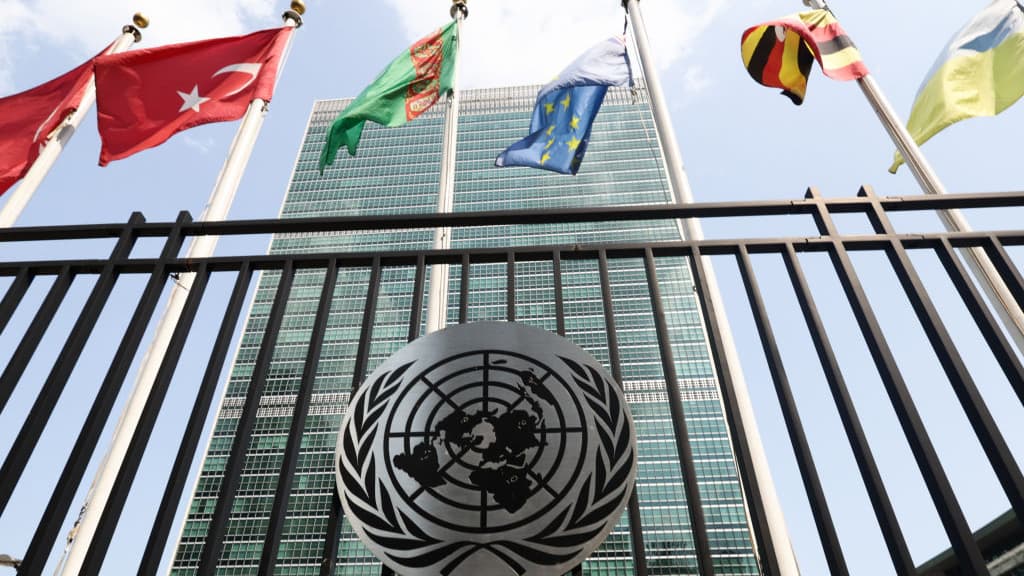
The United Nations has significantly lowered its economic growth projections for 2026, citing escalating tensions in the Middle East as a primary driver of uncertainty. According to the UN's latest economic analysis, geopolitical instability in the region is disrupting critical supply chains that underpin global commerce, threatening to slow expansion across multiple sectors.
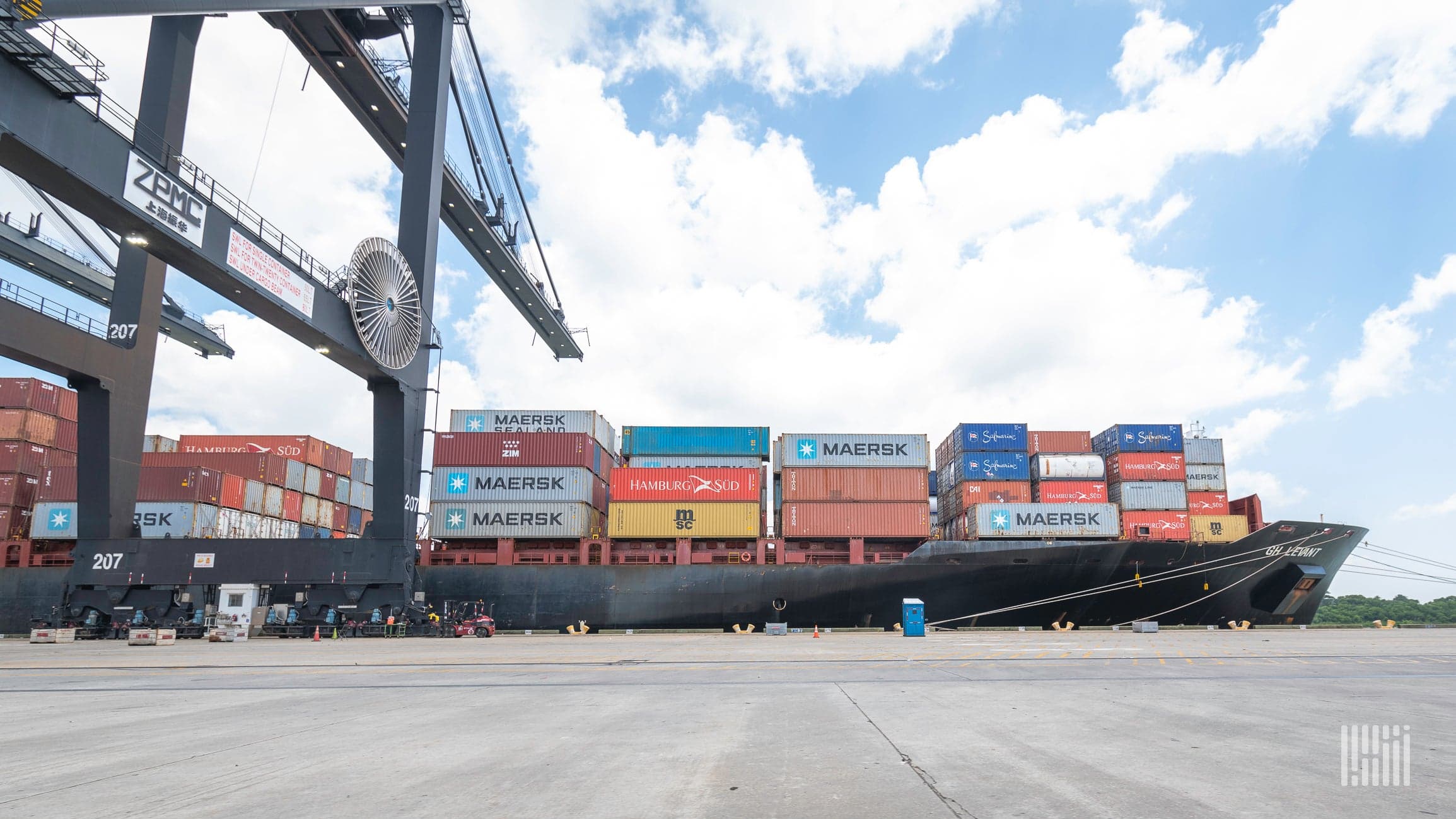
Atlanta's position as a major logistics and distribution hub makes it particularly sensitive to global supply chain disruptions. The Port of Savannah, a key gateway for Southeast commerce, and the region's extensive warehousing and transportation infrastructure could face increased pressures if Middle East tensions persist and redirect shipping routes or increase operational costs.
Beyond growth concerns, the UN has also raised its inflation outlook, signaling that supply chain friction could drive up costs for consumers and businesses alike. Companies across Atlanta's retail, manufacturing, and distribution sectors may face margin pressures as freight costs, energy prices, and raw material expenses remain elevated in the coming year.
For Atlanta business leaders, the revised forecast underscores the importance of supply chain resilience and diversification strategies. Companies relying on Middle East-sourced materials or energy-dependent operations should consider contingency planning as the region's uncertainty persists and shapes global economic trajectories through 2026.