Geopolitical tensions in the Middle East are rippling across Asian financial markets thousands of miles away, as surging oil prices and a strengthening U.S. dollar test the region's foreign-exchange reserves. According to the New York Times, Asian central banks built up substantial currency buffers following the 1997 financial crisis, but those reserves are now facing renewed pressure from volatile commodity markets and currency fluctuations.
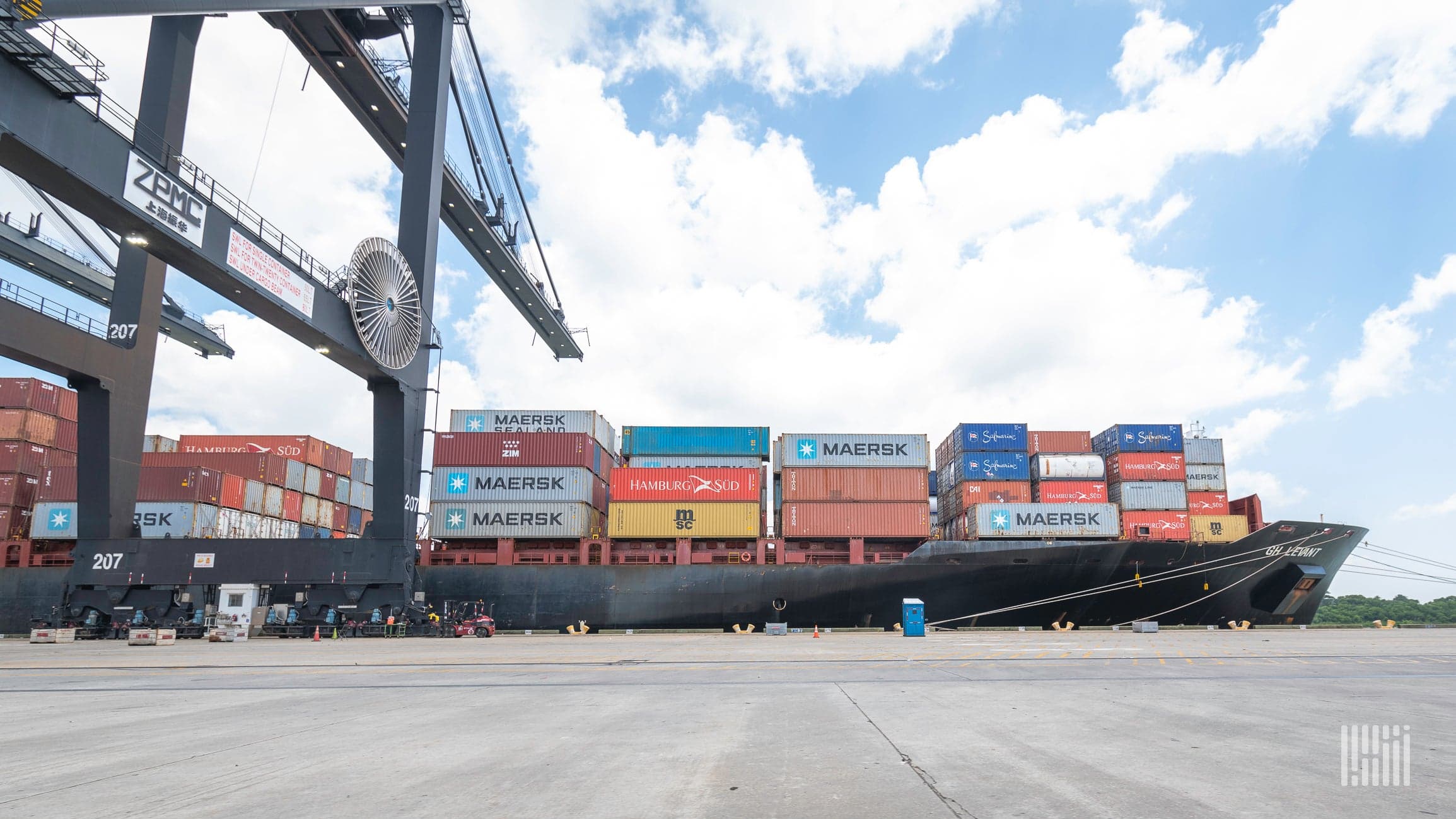
For Atlanta's business community, this Asian market strain carries direct relevance. The city's significant logistics and international trade operations depend heavily on stable Asian currencies and reliable import-export flows. When Asian economies face currency pressures, Atlanta-based companies in ports, shipping, and supply chain management often experience ripple effects in pricing, demand, and operational costs.
The combination of elevated oil prices and dollar appreciation creates a dual headwind for Asian economies. As the dollar strengthens, Asian nations holding dollar-denominated reserves see their relative purchasing power shift, while higher energy costs cut into corporate profits and government budgets across the region. This dynamic mirrors previous crises that have historically disrupted global trade patterns.
Atlanta business leaders should monitor these developments closely, particularly those with significant Asian exposure. Companies in retail, manufacturing, and logistics may face margin pressures or supply chain adjustments if Asian currency volatility persists. Understanding these international market dynamics remains crucial for firms navigating an increasingly interconnected global economy.