Photo via Fortune
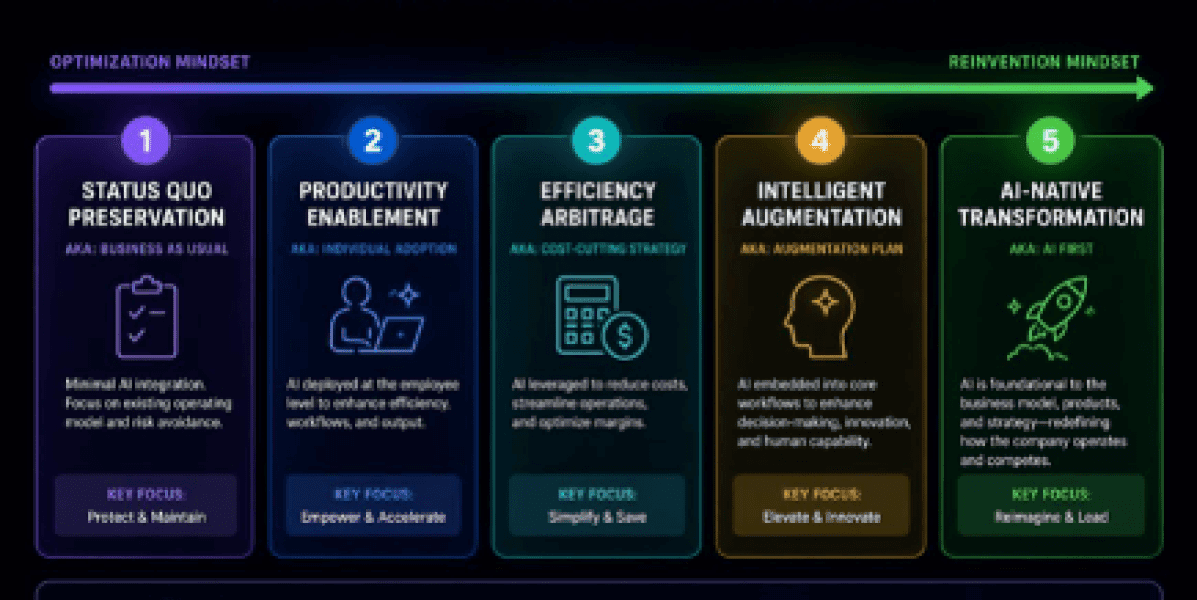
Many Atlanta executives believe they're still in the planning phase when it comes to artificial intelligence strategy. According to Fortune, this assumption masks a critical reality: companies have already committed to an AI direction through their daily operational choices, whether intentionally or not. Every decision not to invest in AI tools, every delay in employee training, and every choice to maintain legacy systems represents a strategic commitment—just one made passively rather than deliberately.
This accidental strategy approach carries significant risks for Atlanta-area businesses competing in increasingly digital markets. When leadership fails to actively shape AI implementation, decisions cascade through organizations in haphazard ways. Employees may adopt unauthorized tools, departments may pursue conflicting approaches, and competitive disadvantages can accumulate before executives even recognize the pattern. For growing Atlanta companies across finance, logistics, and technology sectors, this drift represents lost opportunity.
The implications extend beyond missed efficiency gains. Companies that haven't deliberately chosen an AI path often find themselves reactive rather than proactive—responding to market pressures instead of setting their own pace. This can result in hastily adopted solutions, inadequate risk management, and organizational confusion about data governance and security—concerns particularly acute for healthcare and financial services firms headquartered in the Atlanta region.
The message for local business leaders is straightforward: acknowledging that a choice has already been made is the first step toward taking control of the narrative. Rather than debating whether to pursue AI strategy, Atlanta executives should focus on consciously defining what that strategy will be—aligning it with company values, competitive positioning, and workforce capabilities. Intentional strategy beats accidental drift every time.