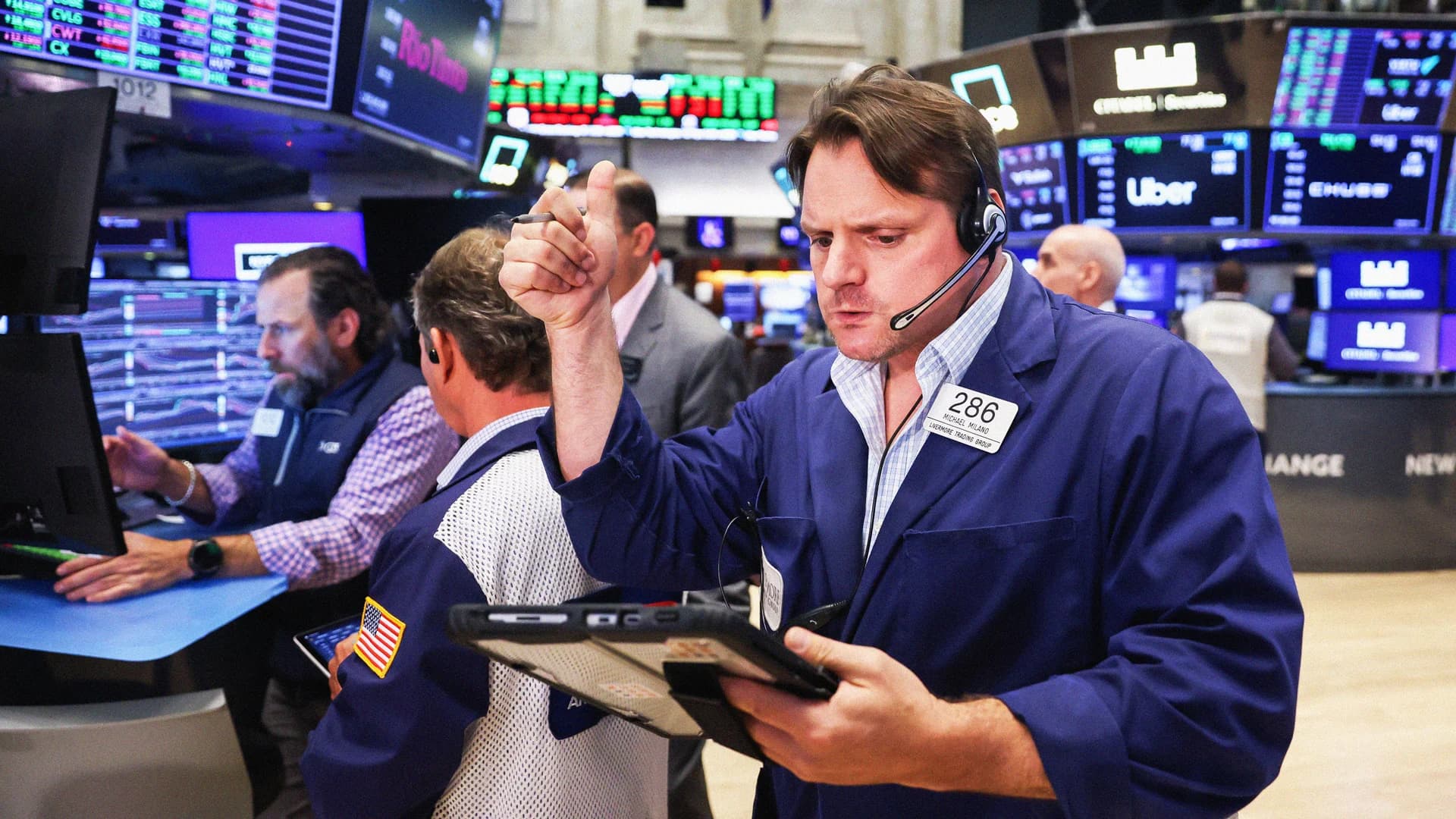
Photo via Inc.
The traditional playbook for market reactions to inflation appears to be rewriting itself. According to Inc., inflation recently climbed to three-year highs, yet equity markets continued their upward trajectory rather than retreating as historical precedent might suggest. This disconnect between economic data and market performance signals a fundamental shift in how investors are processing macroeconomic signals in the modern era.
The rise of artificial intelligence and its integration into market infrastructure has altered the relationship between economic indicators and investor behavior. Rather than reacting mechanically to inflation reports, markets are increasingly focused on the structural changes AI is driving across sectors and corporate profitability. For Atlanta-area investors and business leaders, this means understanding that traditional economic hedging strategies may require recalibration.
This new market dynamic has meaningful implications for Atlanta's diverse business community. Tech companies, financial services firms, and logistics operations that have embraced AI capabilities may see their valuations less affected by inflationary pressures than traditional sectors. The shift rewards companies investing in technological advancement and operational efficiency over those relying on conventional cost-control measures.
Investors and business leaders in the Atlanta region should recognize that the old rules governing market reactions to inflation are no longer reliable guides. The emerging macro framework prioritizes AI adoption, productivity gains, and technological transformation over traditional inflation-hedging approaches. Understanding this paradigm shift is essential for making informed capital allocation decisions in today's market environment.