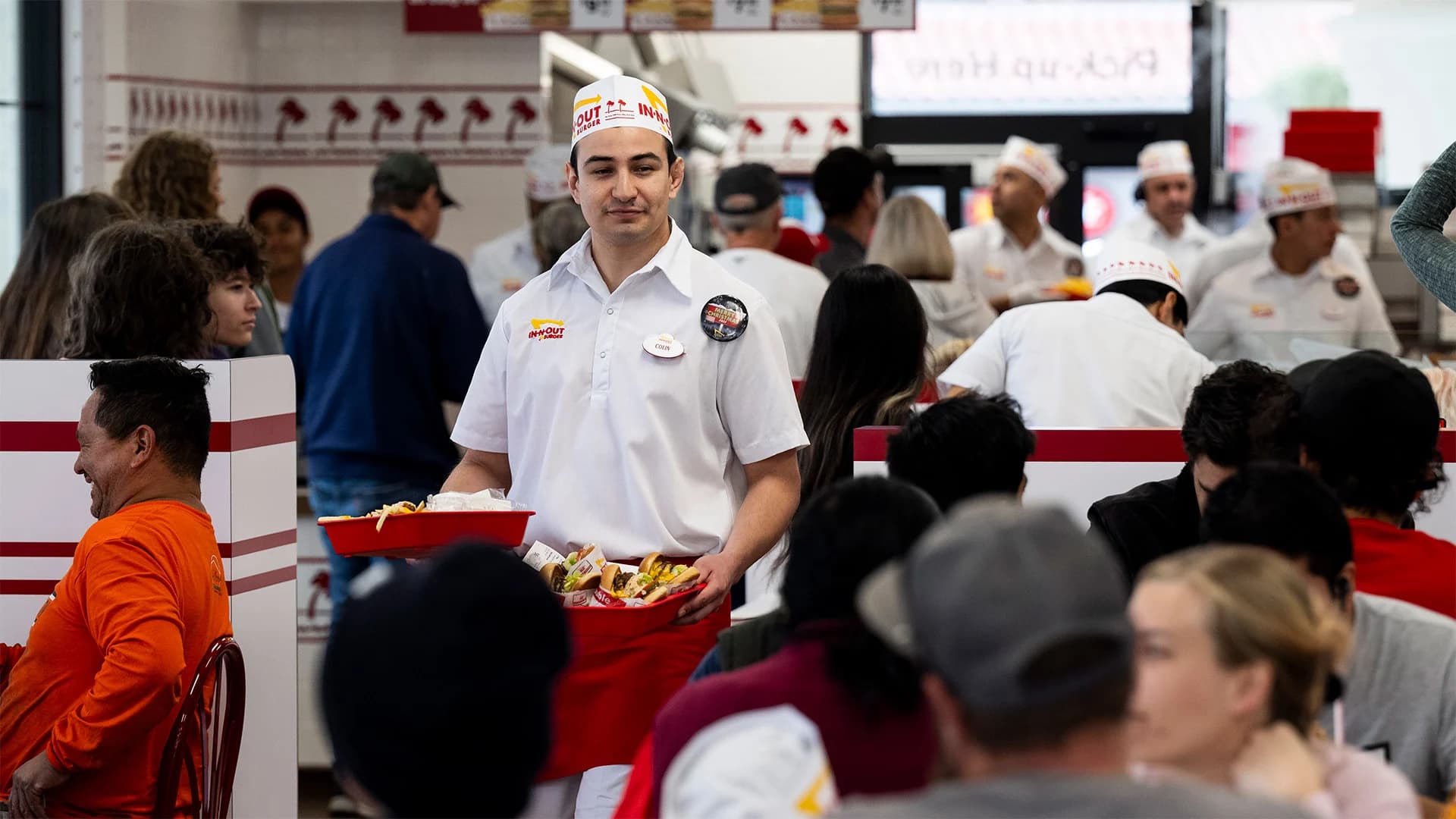
Photo via Inc.
When California implemented its fast-food minimum wage increase, employers didn't simply absorb the higher labor costs. According to reporting from Inc., companies across the industry responded by restructuring their workforce and operations to offset expense increases. For Atlanta restaurateurs watching legislative developments at both state and local levels, these adjustments offer insights into how labor market changes ripple through business models.
The primary strategy employers adopted was reducing staffing levels and cutting employee hours. Rather than maintaining full crews at higher wages, many locations shifted to leaner teams working tighter schedules. This approach allowed businesses to keep payroll budgets relatively flat while meeting wage requirements—though it often resulted in longer waits for customers and potential service quality concerns that could impact brand reputation and customer loyalty.
Automation became another significant response to increased wage pressures. Fast-food chains accelerated investments in self-order kiosks, mobile ordering apps, and kitchen automation technology to reduce reliance on hourly workers. Atlanta's growing restaurant scene—from established chains to emerging local concepts—may face similar calculus as wage floors potentially rise, making technology investments increasingly strategic for competitive positioning.
The California experience demonstrates that minimum wage increases create complex tradeoffs that extend beyond simple pay-and-price scenarios. Business leaders in Atlanta should consider how labor cost changes might influence staffing models, customer experience, and capital expenditure priorities, particularly as regional wage pressures continue to evolve across Georgia's competitive food service and retail sectors.