Photo via Fortune
The Trump administration's approval of an $11 billion arms sale to Taiwan last December marks a significant escalation in U.S. military support for the island nation, according to reporting from Fortune. The package includes advanced weaponry such as missiles, drones, artillery systems, and military software—deliverables that signal Washington's commitment to countering Chinese regional influence. This move comes amid mounting geopolitical tensions in the Taiwan Strait and broader questions about the future of U.S.-China trade relations.
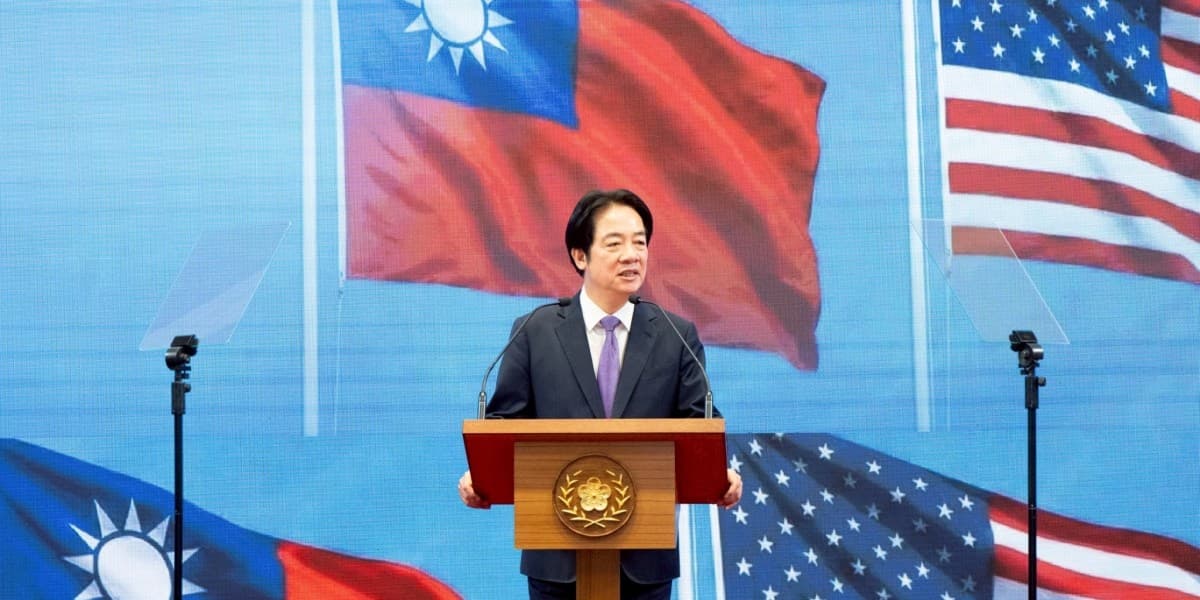
Taiwan's president has pushed back against characterizations of the arms deal as merely a negotiating tool with Beijing, instead framing the military aid as essential infrastructure for regional stability. According to the source, the Taiwanese leadership views these defense capabilities as 'the most important deterrent' against potential conflict in one of the world's most economically vital regions. This distinction matters: it reflects how Taiwan and Washington view the strategic necessity of the arrangement differently than Beijing's interpretation.
For Atlanta-area businesses, particularly those in the defense, aerospace, and technology sectors, such geopolitical developments warrant close attention. Georgia's defense industry footprint—including major contractors and suppliers—could see increased demand for components, systems integration, and related services as military modernization accelerates across allied nations. Companies involved in supply chains for advanced manufacturing and defense electronics should monitor how these international dynamics evolve.
The broader context reflects a shifting global order where military deterrence and economic competition are increasingly intertwined. As the U.S. solidifies partnerships with key Asian allies, Atlanta businesses engaged in international trade, logistics, and high-tech manufacturing should consider how heightened geopolitical tensions might reshape supply chains, tariff structures, and market access in coming years. Strategic planning around regional conflicts and trade policy will likely become even more critical for Georgia's business community.