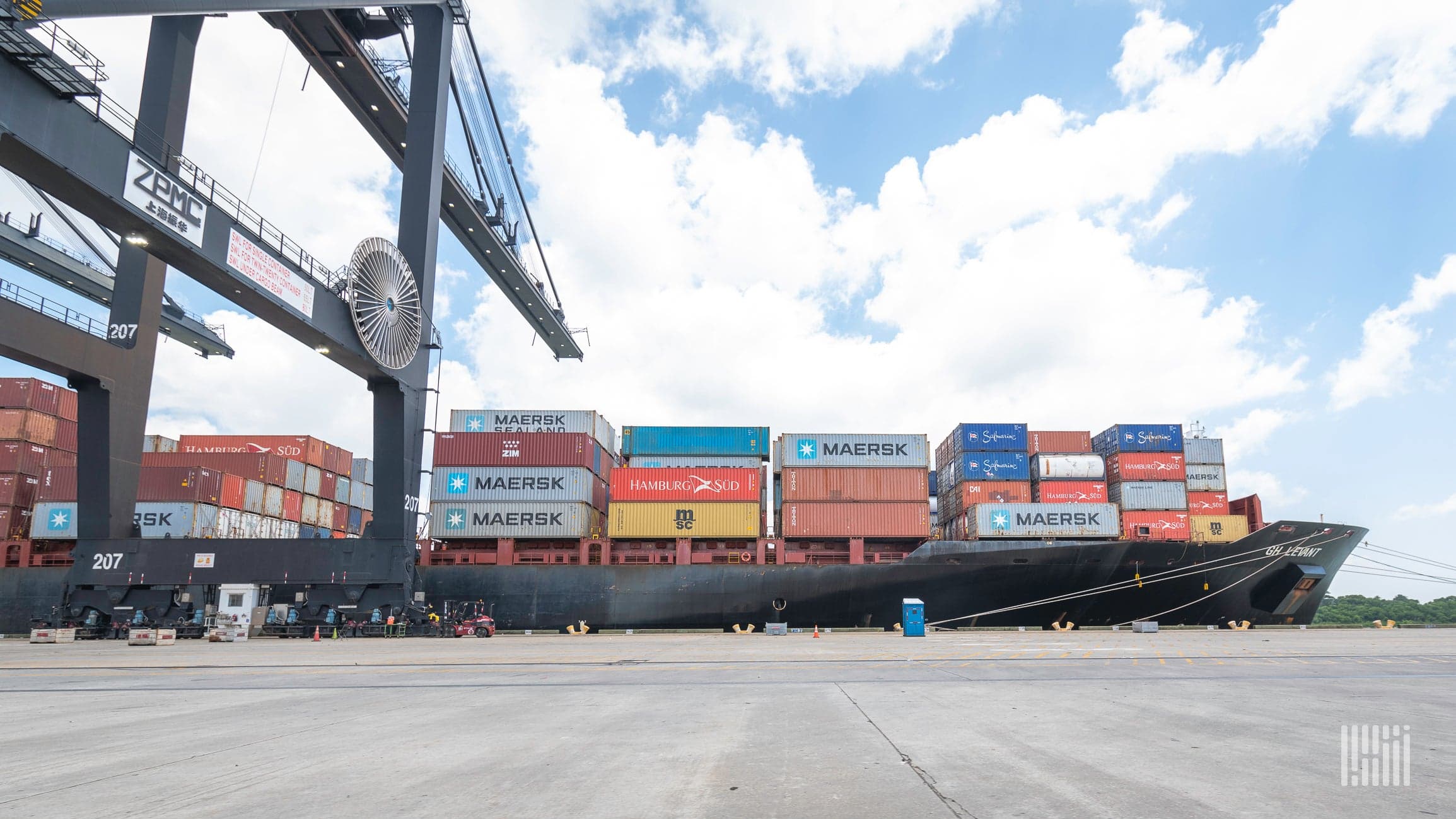
According to reporting in The New York Times Business section, the U.S. military's need to replenish weapons stockpiles following recent international conflicts has created an unexpected economic reality: American defense manufacturers will need to secure rare-earth minerals from China, the world's dominant supplier of these critical materials. This dependency highlights a structural vulnerability in U.S. supply chains that could reshape procurement strategies across the defense industry for years to come.
For Atlanta-area businesses, particularly those in aerospace, defense contracting, and advanced manufacturing, this shift carries significant implications. The region hosts major defense contractors and logistics hubs that support weapons production and distribution. Companies in these sectors may need to navigate new sourcing relationships or invest in alternative supply chain strategies to reduce reliance on Chinese materials while meeting increased production demands.
The geopolitical calculus is complex: while military spending typically stimulates manufacturing and logistics activity—sectors important to the Atlanta economy—the dependence on Chinese rare-earth supplies creates leverage points for Beijing in future negotiations. This dynamic could affect defense contract bidding, production timelines, and the competitive landscape for regional manufacturers seeking federal contracts.
Industry analysts suggest that supply chain vulnerabilities exposed by recent events may accelerate investments in domestic rare-earth mineral extraction and processing, potentially creating new economic opportunities in the Southeast. Atlanta-based companies in logistics, manufacturing, and technology sectors should monitor policy developments around critical minerals strategy, as federal incentives for domestic production could reshape regional business opportunities.