The upcoming U.S.-China summit in Beijing marks a critical moment for American businesses with significant exposure to Chinese markets and supply chains. According to reporting from the New York Times Business section, this will be the first face-to-face meeting between the two leaders in nearly a decade, making it a pivotal opportunity to address longstanding trade tensions. For Atlanta-area companies engaged in international commerce, the outcomes of this summit could have direct implications for tariffs, supply chain strategies, and market access.
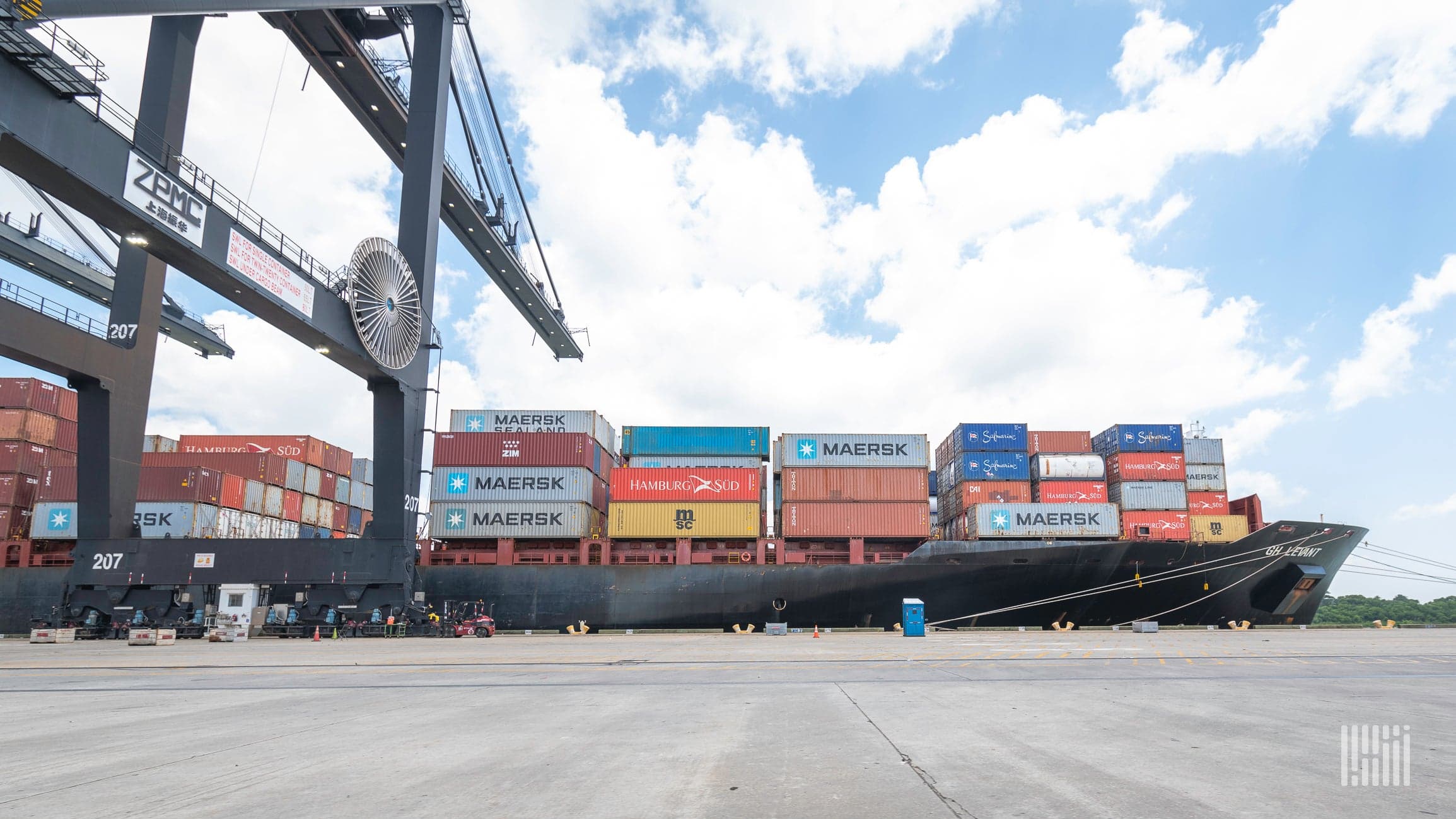
Trade policy remains the central flashpoint heading into negotiations. Atlanta's robust logistics and transportation hub—anchored by Hartsfield-Jackson International Airport and major distribution centers—depends heavily on smooth U.S.-China trade flows. Increased tariffs or new trade barriers could affect shipping costs and inventory management for regional retailers and manufacturers relying on Chinese imports or serving Chinese customers.
Technology and intellectual property disputes are also expected to dominate discussions. Atlanta's growing tech startup ecosystem and established software companies could be affected by policies governing data sharing, patent protections, and market entry in China. These issues directly impact whether local innovation companies can expand internationally or protect their innovations from unauthorized use.
Business leaders in Atlanta should monitor summit outcomes closely for signals on tariff adjustments, supply chain regulations, and sector-specific policies. The results will likely influence corporate investment decisions, hiring plans, and international expansion strategies across the region's key industries including retail, logistics, healthcare, and technology.