Photo via Fortune
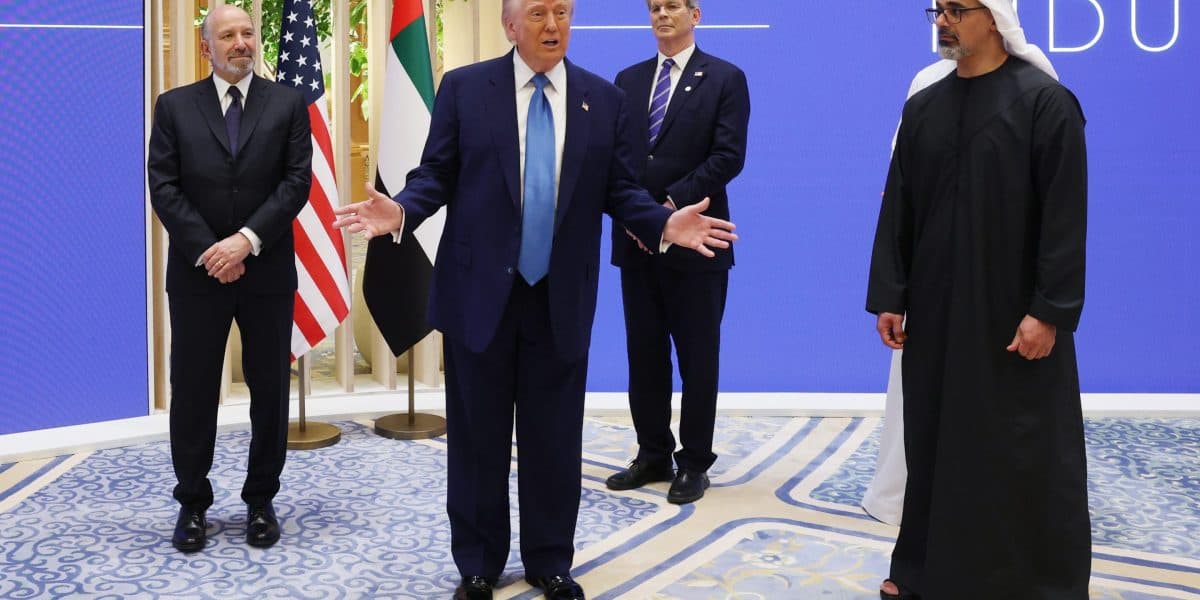
In a significant development reported by Fortune, the United Arab Emirates has withdrawn from the Organization of the Petroleum Exporting Countries, marking another fracture in the cartel that has shaped global energy and financial markets for nearly five decades. The timing of this move—occurring just days after the UAE negotiated currency swap arrangements with the U.S. Treasury under Scott Bessent's leadership—suggests deeper strategic repositioning beyond traditional oil politics.
The departure underscores the ongoing transformation of the petrodollar system that has anchored international finance since 1974. According to the Fortune report, this unraveling reflects broader geopolitical shifts and competing interests among traditional OPEC members. For Atlanta-based financial institutions and energy companies, these structural changes in global currency and commodity markets warrant close monitoring as they could affect investment strategies and operational decisions.
The UAE's pivot toward bilateral financial arrangements with the U.S. Treasury rather than coordinating through OPEC suggests a recalibration of how major oil-producing nations manage their reserves and international relationships. The negotiation of swap lines indicates growing emphasis on direct currency relationships between nations, potentially reshaping how multinational corporations and financial services firms conduct cross-border transactions.
As the architecture of global finance continues to evolve, Atlanta business leaders should consider how shifting OPEC dynamics and currency arrangements might influence energy sector investments, inflation expectations, and international trade flows. The next chapter in this petrodollar saga could have measurable implications for local businesses engaged in global commerce and finance.