
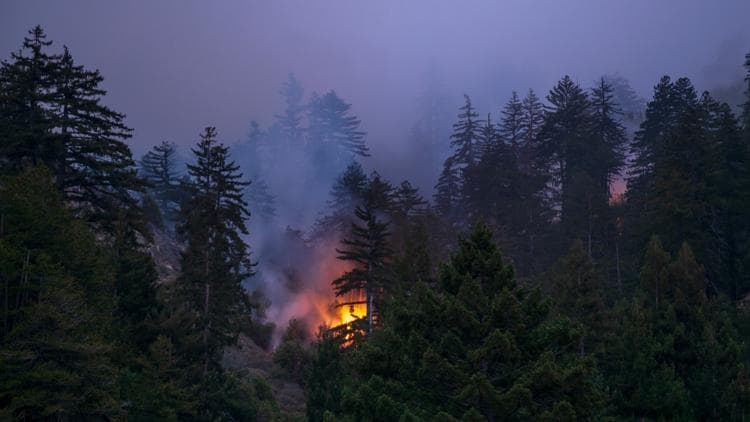
Photo via 11Alive Atlanta
A bipartisan group of U.S. senators has called on federal regulators to take action against emerging wildfire prediction markets, arguing that allowing bets on fire activity poses significant public safety and ethical risks. According to 11Alive Atlanta, lawmakers contend that these derivative contracts create perverse financial incentives that could encourage destructive behavior while enabling investors to profit from natural disasters that devastate communities and economies.
The concern reflects growing unease about speculative financial instruments tied to real-world disasters. Wildfire prediction markets would allow traders to bet on the occurrence, scale, or location of fires, potentially creating financial motivations for arson or negligence. For a region like Georgia—which faces seasonal fire risks in rural and forested areas—such markets could pose direct threats to local property owners, insurers, and emergency management resources already strained by climate-related events.
The push for regulatory intervention underscores broader questions about market oversight and the appropriate limits of financial innovation. As prediction markets gain popularity among institutional investors and retail traders, policymakers must balance free-market principles with safeguards that protect public welfare and prevent moral hazard in high-stakes scenarios affecting regional economies and safety.