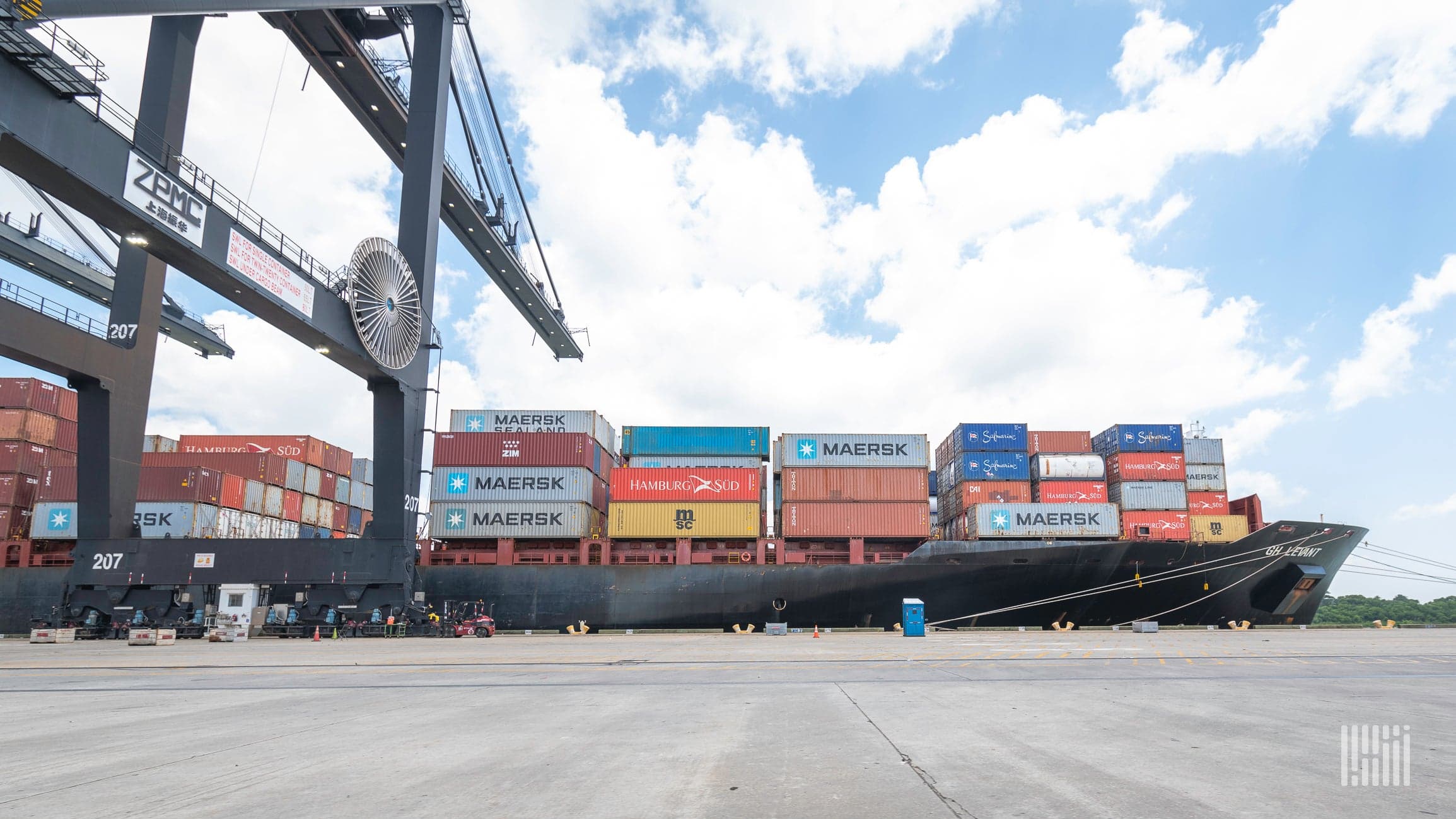
President Trump returned from Beijing this week touting what he described as 'fantastic trade deals' with China, marking a significant diplomatic engagement aimed at easing tensions between the world's two largest economies. According to reporting on the summit, the two nations expressed commitment to stabilizing their economic and political relationship, though the president provided limited concrete details about what these agreements actually entail.
For Atlanta's business community—particularly manufacturers, logistics firms, and exporters who depend on stable U.S.-China trade flows—the lack of specificity creates uncertainty. The Atlanta metropolitan area hosts major distribution and supply chain hubs that funnel goods between Asian suppliers and American markets. Without clear details on tariff rates, product categories, or implementation timelines, local business leaders remain unable to fully assess how these new arrangements will affect their bottom lines.
The vagueness surrounding the trade agreement highlights a broader pattern in recent trade negotiations. Business groups nationwide have called for transparent, detailed documentation of any bilateral deals, arguing that ambiguous terms create planning challenges for companies already managing complex global supply chains. Atlanta's port and logistics sectors, which handle significant China trade, will likely press for clarity as negotiations develop.
As details emerge in coming weeks, Atlanta Business Magazine will track how these China trade developments impact regional industries including retail, technology, and manufacturing. Business leaders in the metro area should monitor official trade administration announcements and industry briefings to understand specific implications for their sectors.