President Trump concluded a two-day summit in Beijing with a mixed bag of outcomes that has left market observers and business leaders questioning the substantive impact on U.S.-China trade relations, according to reporting from the New York Times. While the meetings produced some announced agreements, the overall reception from investors and analysts suggests expectations were not met, raising concerns about the trajectory of one of the world's most consequential business relationships.
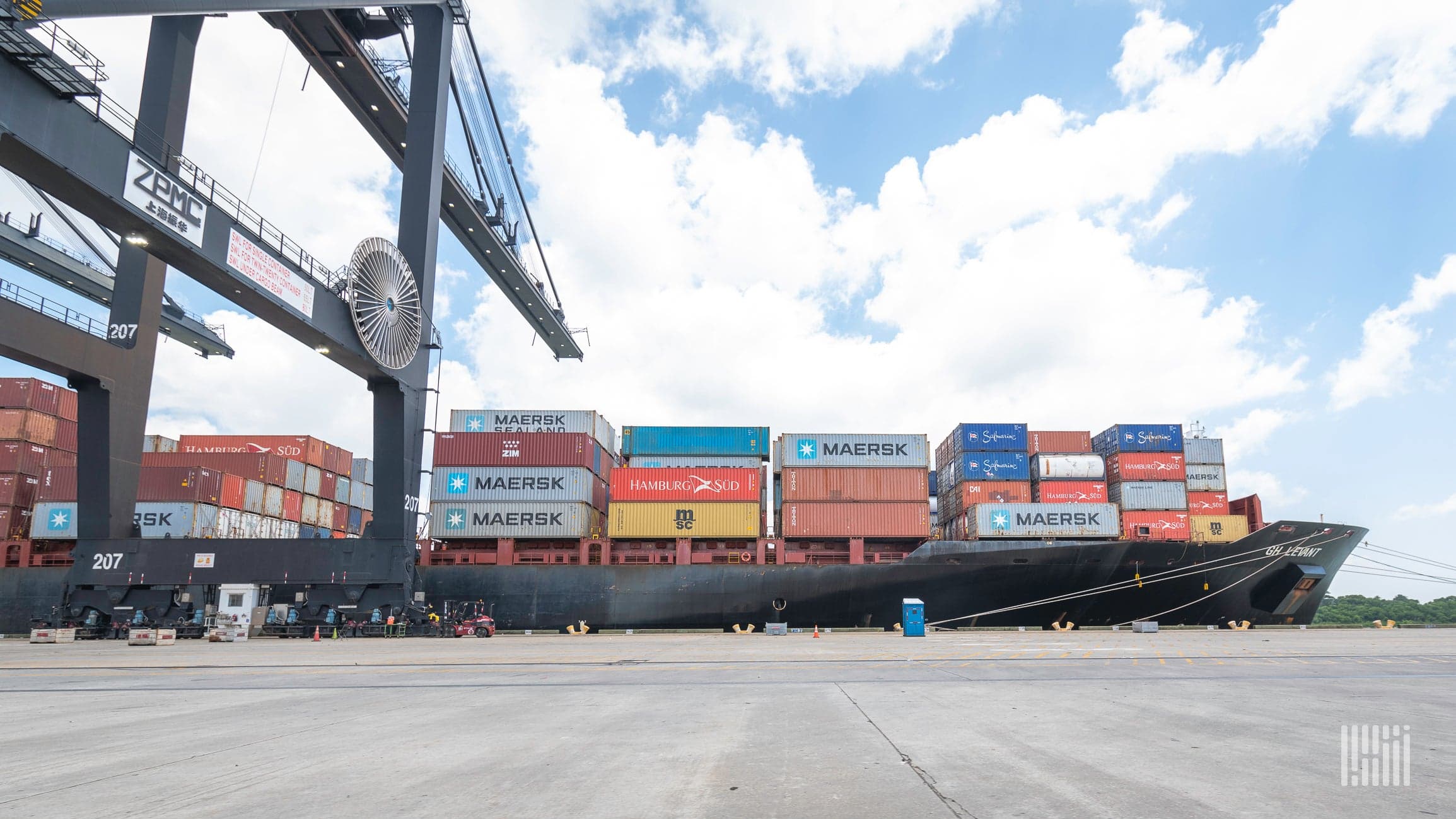
For Atlanta-area companies with significant exposure to Chinese markets or supply chains—particularly in logistics, manufacturing, and retail—the lukewarm results underscore the ongoing uncertainty surrounding trade policy. The region's port and distribution hub status makes it especially sensitive to shifts in U.S.-China commerce, as tariffs and trade restrictions directly impact the flow of goods through Georgia's economy.
The limited scope of the Beijing agreements suggests that deeper structural issues between the two economic powers remain unresolved. Investors had anticipated more concrete commitments on intellectual property protections, market access, and tariff reductions—issues that directly affect multinational corporations and mid-market firms operating across both nations.
Atlanta business leaders should monitor how these diplomatic outcomes influence Federal Reserve policy, currency valuations, and supply chain strategies in coming weeks. Companies planning international expansion or managing complex cross-border operations may need to reassess risk assessments and contingency plans as trade relations continue to evolve.