President Trump's planned meeting with Chinese President Xi Jinping signals a potential shift in the high-stakes trade tensions that have roiled markets and disrupted business operations for years. According to reporting from The New York Times, the relationship between the two superpowers has moved from outright trade war toward what analysts describe as an uneasy truce—neither side claiming victory, but both stepping back from the brink of a complete commercial freeze.
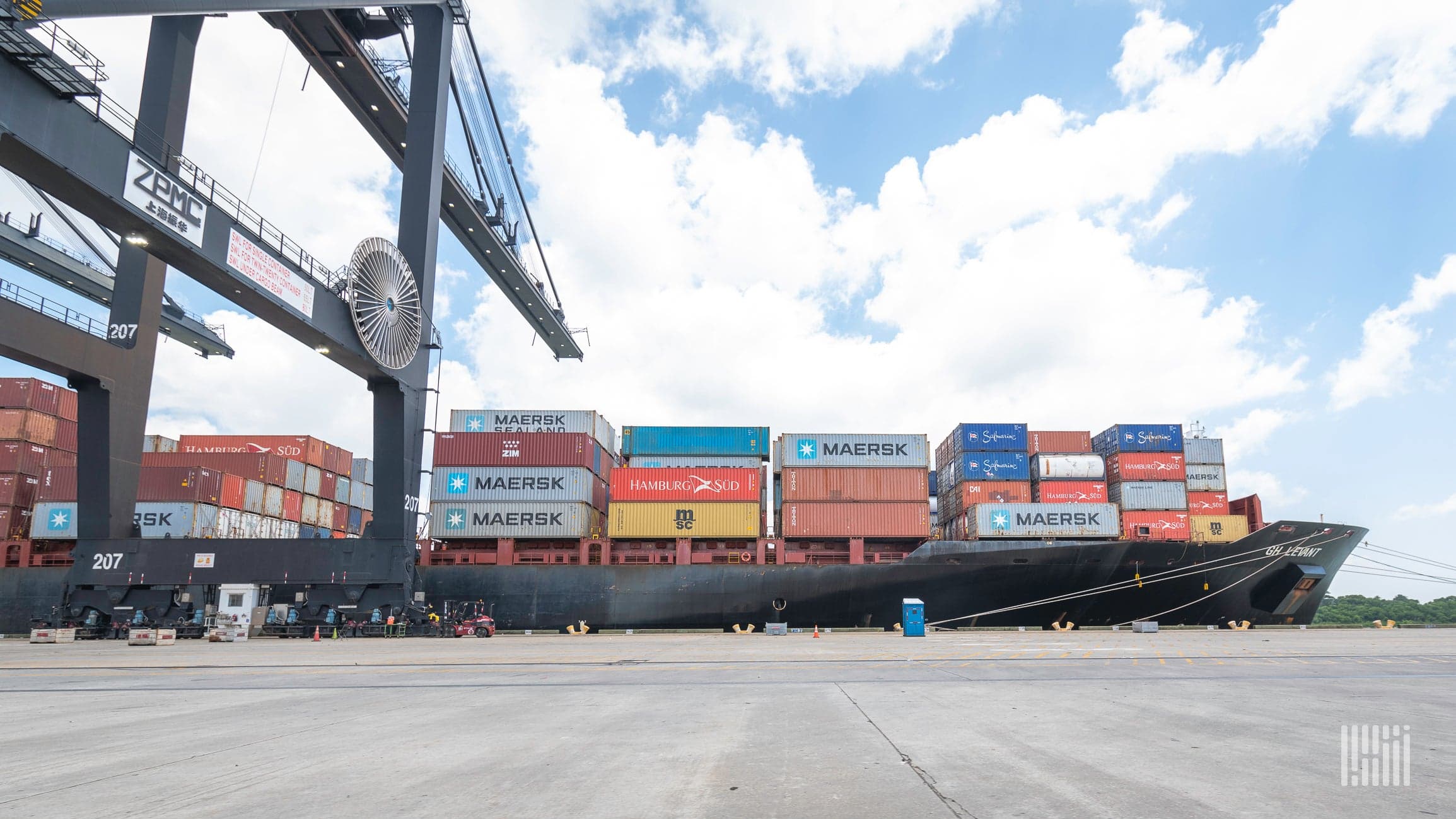
For Atlanta's business community, the implications are significant. The region's port operations, logistics companies, and manufacturers with Asian supply chains have weathered tariffs and uncertainty since the conflict's inception. A stalemate, while less volatile than active hostilities, leaves companies in limbo—unable to plan long-term sourcing strategies or pricing without clarity on whether tariffs might be reinstated or negotiated away entirely.
The technology and retail sectors, particularly strong in the Atlanta metro area, have felt the pinch acutely. Tariffs on electronics and consumer goods have pressured margins and forced difficult choices about production locations. Until a more formal resolution emerges from any Trump-Xi discussions, many local business leaders remain cautious about major capital investments or supply chain reconfigurations.
Industry observers suggest Atlanta companies should monitor any announcements from the presidential meeting closely and consider scenario planning for multiple trade policy outcomes. The current stalemate may ultimately prove temporary, making it essential for regional businesses to maintain flexibility in their international operations and maintain relationships with both U.S. and Asian partners.