
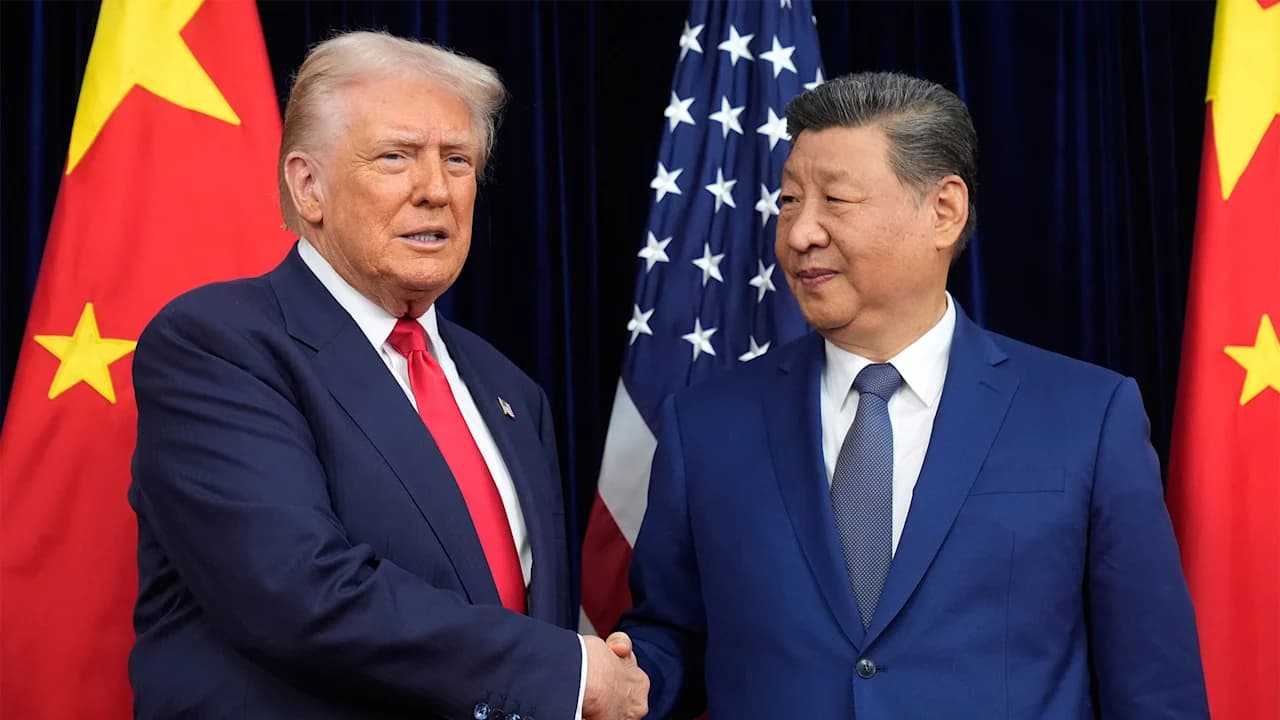
Photo via Fast Company
President Trump is in Beijing this week for a high-stakes summit with Chinese leader Xi Jinping, with discussions expected to focus on trade, tariffs, and economic cooperation. The White House has signaled plans to establish a new Board of Trade and highlighted key industries including energy, aerospace, and agriculture as priorities for negotiation. For Atlanta-area businesses with supply chain or export exposure to China, the outcomes could have material implications on costs and market access.
The bilateral relationship remains complicated by persistent trade tensions and geopolitical friction. During Trump's first term, the administration announced $250 billion in nonbinding trade deals that largely failed to materialize, while recent tariff threats prompted China to reduce purchases of U.S. agricultural products and restrict exports of rare earth minerals critical to American manufacturers. A partial trade truce reached last fall has provided some relief, but uncertainty about long-term commitments continues to cloud business planning.
Atlanta's logistics, manufacturing, and technology sectors should pay close attention to negotiations around tariff extensions and potential new trade agreements. According to policy experts cited in reports, China may delay major concessions until closer to U.S. midterm elections, when Beijing believes it will have greater leverage. This timing uncertainty could affect supply chain decisions and pricing strategies for regional companies in the coming months.
The summit's success will likely be measured by concrete deliverables rather than ceremonial gestures, the White House has indicated. While previous visits produced headlines and photo opportunities, this round of talks is expected to focus on substantive economic results. For Georgia businesses tracking China exposure, monitoring announcements about trade truce extensions, tariff adjustments, and sector-specific deals will be essential to adjusting procurement and export strategies.