President Trump entered his second term with an ambitious agenda to impose stricter trade restrictions on China than on other trading partners, according to reporting from the New York Times. However, the administration has begun tempering these initial plans as it confronts the economic realities and operational complexities of implementing such broad tariff policies.
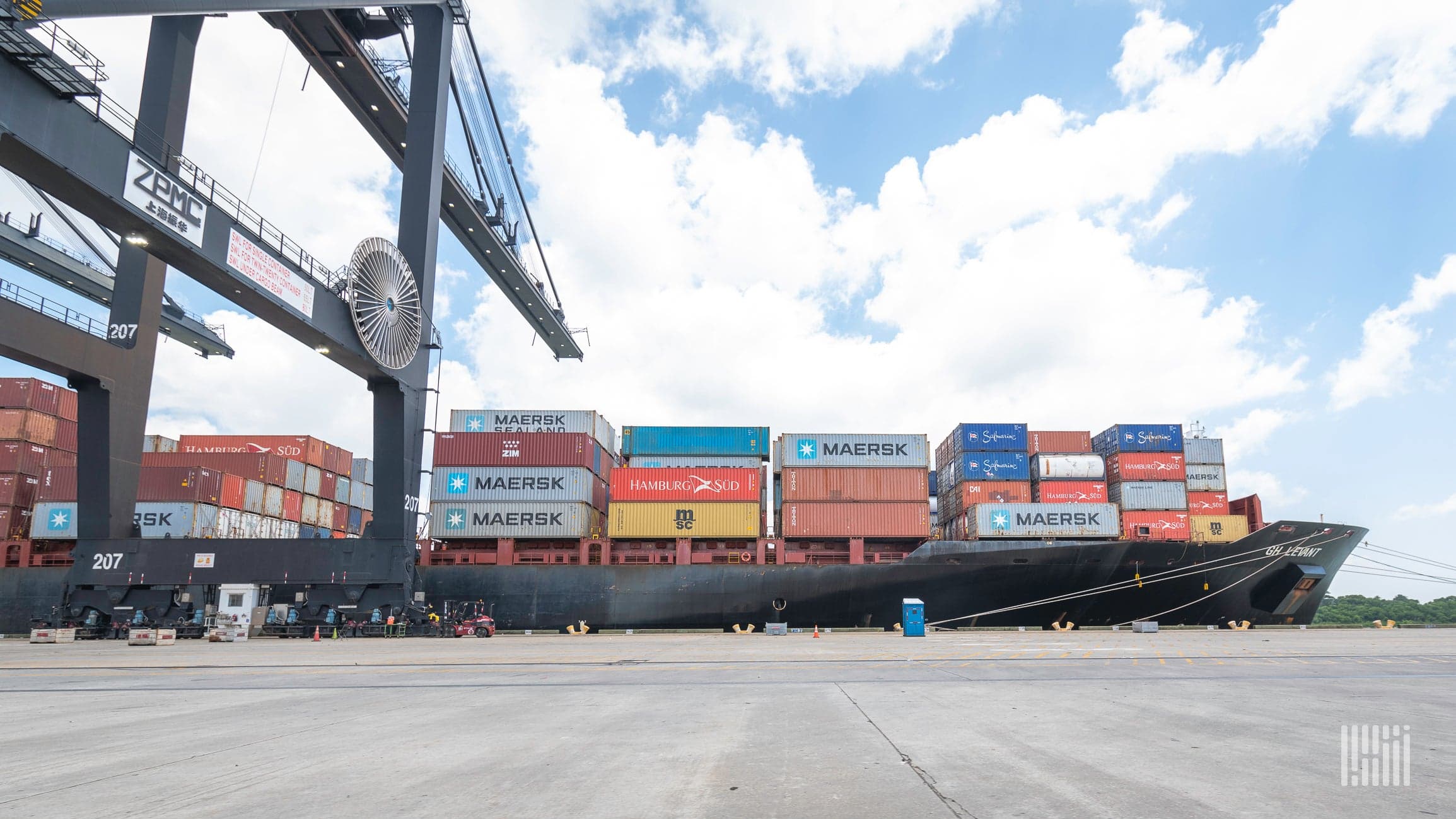
For Atlanta's business community—particularly retailers reliant on Chinese imports and logistics companies managing supply chains—the scaling back of aggressive trade measures could provide some relief from potential price pressures. The Port of Savannah and Atlanta-based distribution centers have faced uncertainty about tariff impacts on goods flowing through Southeast gateways.
The retreat from maximum tariff pressure reflects practical considerations including potential inflationary effects, risks to consumer prices, and concerns about retaliatory measures from Beijing. Companies across the Southeast that depend on China trade have been watching these policy signals closely as they plan inventory and pricing strategies.
As trade policy continues to evolve, Atlanta-area business leaders should monitor further developments. The outcome of these negotiations will likely shape operational costs and competitive dynamics for retailers, manufacturers, and supply chain operators throughout the region for months to come.