Photo via Fortune
New analysis from the Tax Foundation challenges the notion that tariff policies are bolstering the American economy, presenting data that tells a different story for Atlanta-area manufacturers and retailers. The research points to three interconnected economic headwinds: declining manufacturing employment, reduced GDP growth, and rising consumer prices—trends that directly affect Georgia's industrial base and cost-conscious shoppers.
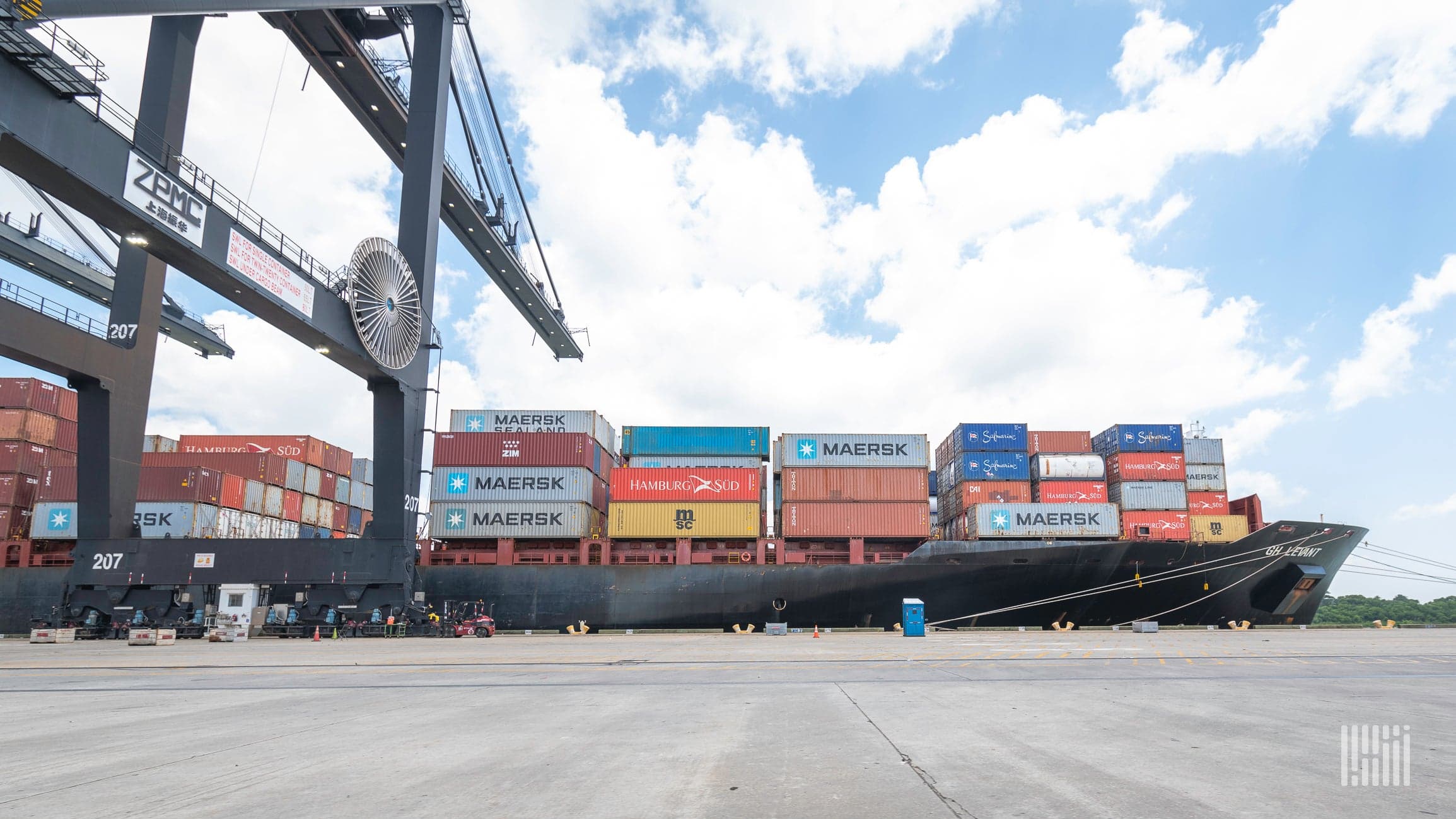
For Atlanta's significant logistics and import-dependent sectors, tariffs create particular challenges. The city's role as a major distribution hub means higher input costs ripple quickly through supply chains, affecting everything from port operations at Savannah to warehousing and last-mile delivery companies throughout Georgia. Manufacturers operating in the region face pressures on both the cost side and demand side as tariffs increase their material expenses while potentially reducing customer purchasing power.
According to the Tax Foundation economist's findings, the consumer price impact extends beyond imported goods. As tariffs raise costs for American businesses relying on foreign materials or components, those expenses often get passed along to Georgia's retail sector and individual shoppers. This dynamic creates a drag on consumer spending—traditionally a pillar of economic growth—precisely when many households are already managing tight budgets.
For Atlanta business leaders, the takeaway is clear: tariff policies merit close scrutiny regardless of their intended goals. Companies in manufacturing, retail, logistics, and related industries should assess their exposure to tariff-driven cost increases and consider advocacy efforts through industry groups. Understanding the broader economic impacts—not just short-term protectionist arguments—is essential for long-term strategic planning in the region.