
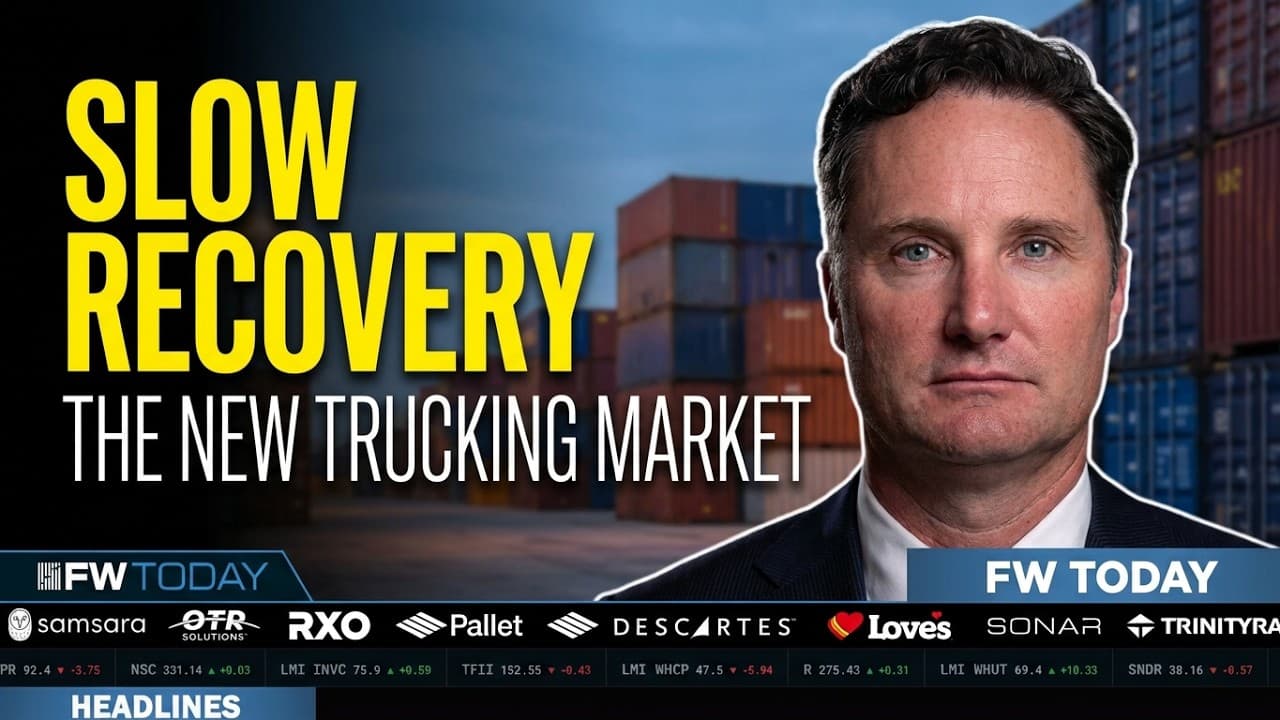
Photo via FreightWaves
The current freight market cycle appears fundamentally different from previous upturns, with structural barriers preventing the traditional surge of new trucking capacity that historically floods markets during recovery periods. According to Aaron Graft, CEO of Triumph Financial, increased litigation, regulation, and legislation are creating significant headwinds for new entrants and established operators looking to expand fleets. These mounting compliance costs and legal complexities are making market entry increasingly difficult for smaller operators who would normally capitalize on higher freight rates.
This structural shift has important implications for the duration and sustainability of current tight market conditions in the trucking sector. Rather than facing a traditional capacity glut as economic growth returns, the industry may experience a more prolonged period of constrained supply. The barriers to entry that Graft highlights—ranging from regulatory compliance requirements to litigation risk—represent a fundamental change in market dynamics that could sustain elevated pricing power for existing carriers longer than observers have historically anticipated.
If these structural impediments persist, the trucking industry could see materially different supply-demand balance sheets compared to previous cycles. Carriers already in the market may enjoy extended periods of favorable rates, while the industry's ability to quickly add capacity during upturns could become increasingly limited. This dynamic suggests that fleet capacity may become a more durable competitive advantage for established operators.