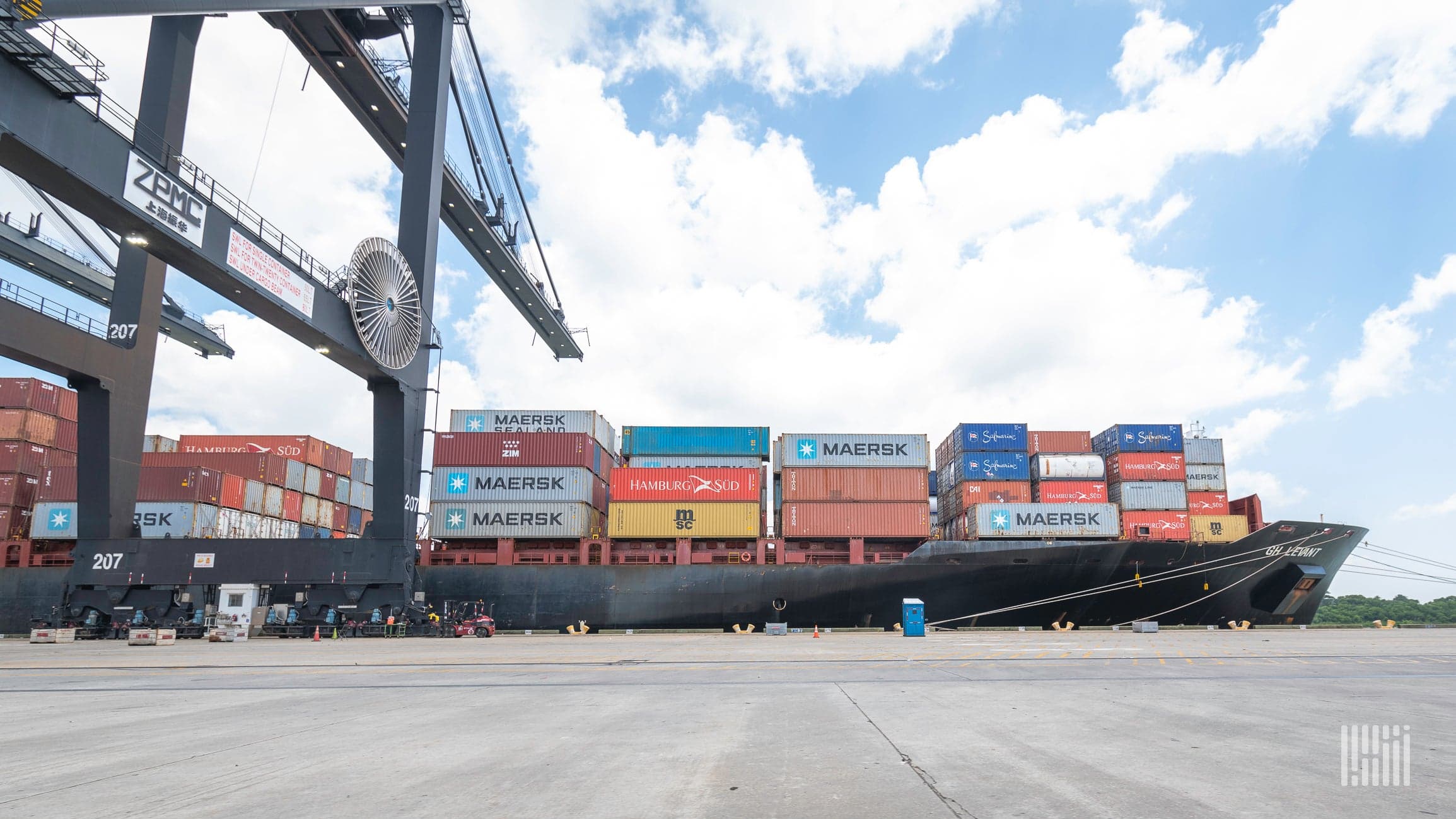
According to Craig Fuller, CEO of FreightWaves, the freight industry is experiencing stronger demand across trucking, rail, and container segments despite headwinds from geopolitical tensions in Iran. The conflict has driven up both shipping and insurance costs, yet shippers continue to move goods at elevated volumes, suggesting underlying demand remains resilient amid the added expenses.
Fuller noted that supply chain operators are adapting to the challenging environment by exploring alternative routing options. A new Arctic shipping corridor is gaining traction as carriers seek ways to circumvent the Strait of Hormuz, a critical chokepoint for global maritime trade. This shift reflects the industry's flexibility in responding to regional instability while maintaining logistics continuity.
The development underscores how disruptions to traditional trade routes can paradoxically drive innovation and competition in the freight sector. While elevated insurance and shipping costs compress margins, the ability of carriers to maintain or grow volumes suggests that end-demand fundamentals remain strong enough to absorb these incremental pressures.