Photo via Fast Company
The National Oceanic and Atmospheric Administration's Climate Prediction Center released forecasts this week indicating a significant likelihood of El Niño conditions emerging between May and July, with an 82% probability of occurrence. More notably, the agency projects a 96% chance the pattern will persist from December 2026 through February 2027, suggesting a sustained period of atmospheric disruption that business leaders should factor into contingency planning.
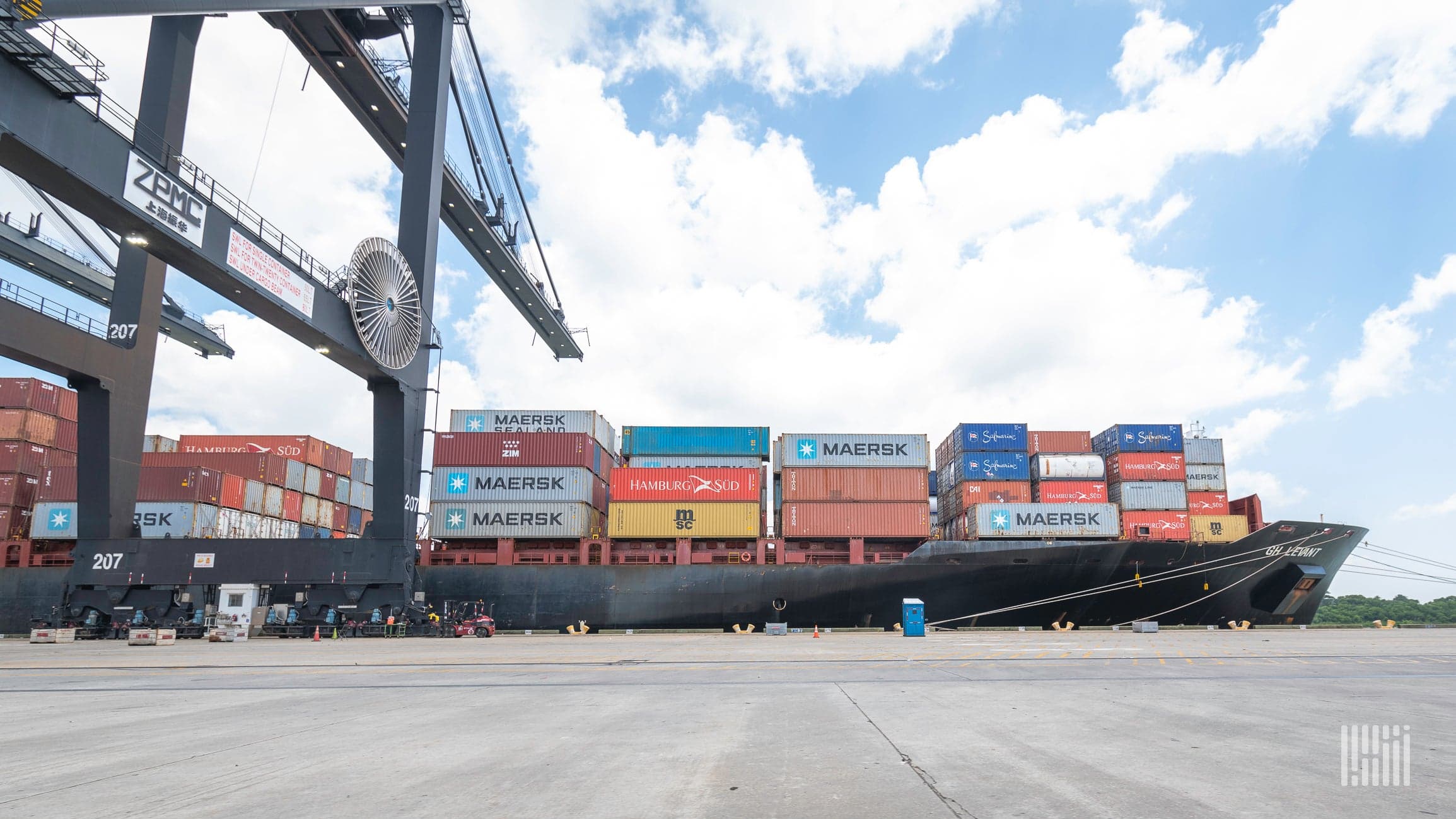
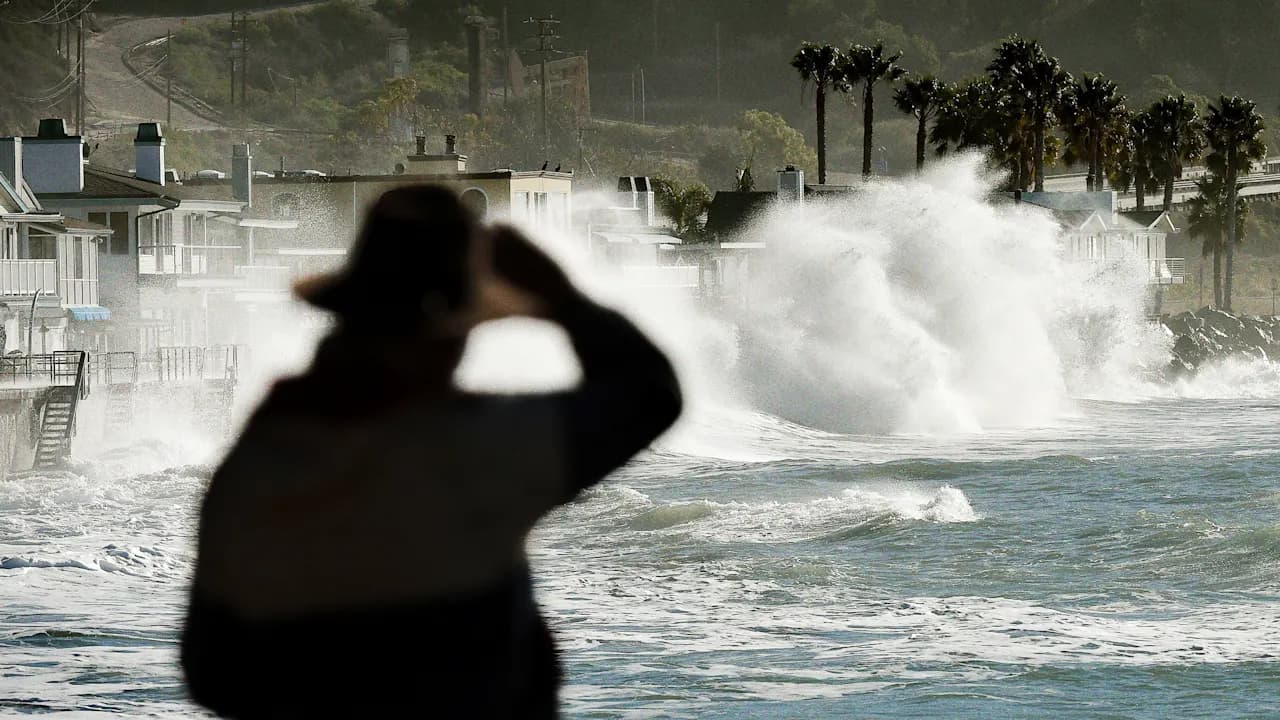
El Niño occurs when Pacific Ocean surface temperatures warm above historical averages, weakening the trade winds that normally flow west to east. This disruption creates cascading weather effects globally, with particular concern for the Southeast and Gulf Coast regions—directly affecting Atlanta's regional business environment. The 2015 Super El Niño, for example, triggered significant drought conditions in the Caribbean and intensified storm activity that impacted coastal commerce and supply chains.
While NOAA acknowledges uncertainty about peak strength, the agency notes that summer conditions appear conducive to particularly strong El Niño development. April 2026 already ranked as the fourth-warmest April in records dating to 1850, suggesting 2026 could become one of the warmest years on record. These temperature trends increase the likelihood of severe weather events including intense storms, flooding, and drought—conditions that typically disrupt logistics networks, energy infrastructure, and retail operations across the Southeast.
For Atlanta-area businesses dependent on stable weather patterns—from construction and logistics to agriculture and insurance—monitoring NOAA's El Niño updates should become part of standard risk assessment. Companies with supply chain vulnerabilities, coastal operations, or weather-dependent revenue streams may benefit from reviewing disaster preparedness protocols and reviewing insurance coverage for the anticipated period of heightened atmospheric volatility.