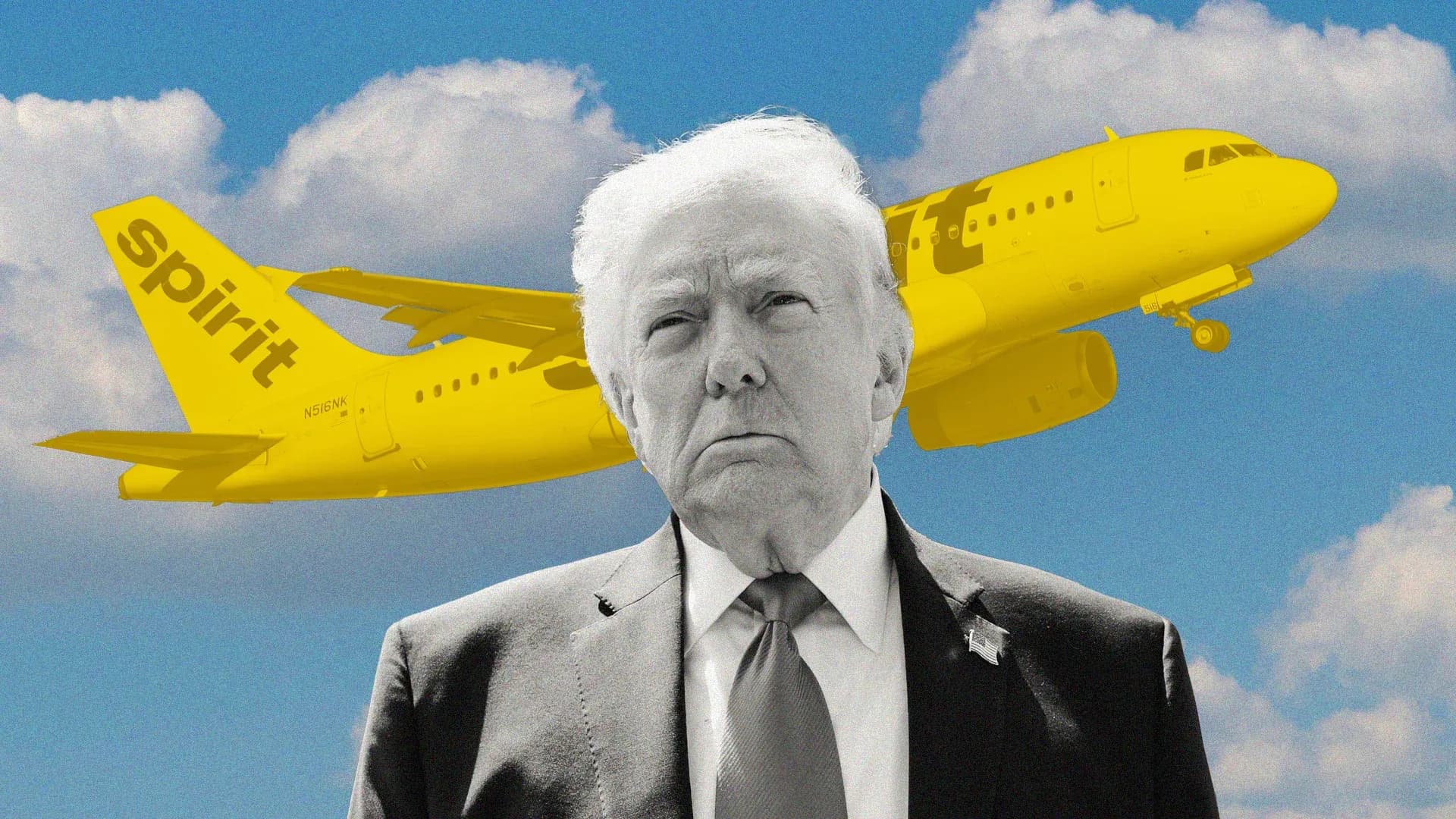
Photo via Inc.
Spirit Airlines is exploring an unconventional survival strategy that could involve direct financial intervention from the federal government, according to Inc. The budget carrier has been engaged in confidential discussions with White House officials to explore options that might prevent the airline's collapse, including a potential equity swap arrangement that could fundamentally alter the company's ownership structure.
For Atlanta-area business travelers and logistics companies relying on budget-friendly air transport, Spirit's potential failure represents a significant concern. As one of the few ultra-low-cost carriers operating from Hartsfield-Jackson Atlanta International Airport, Spirit's operations serve an important niche in the regional aviation market, particularly for price-sensitive corporate travel and supply chain operations.
Government intervention in the airline industry is not unprecedented, with policymakers often citing the critical nature of air transportation infrastructure to the broader economy. However, an equity swap arrangement would represent a more direct form of federal involvement than typical bailout mechanisms, raising questions about government ownership stakes in private enterprises and how such decisions might set precedents for other struggling industries.
The outcome of these discussions could have ripple effects throughout Atlanta's transportation and logistics sectors, which depend on competitive airline pricing and capacity. Industry observers will be watching closely to see whether regulatory bodies and federal officials determine that maintaining Spirit's operations serves the broader national interest, or whether market consolidation represents the inevitable path forward.