Photo via Inc.
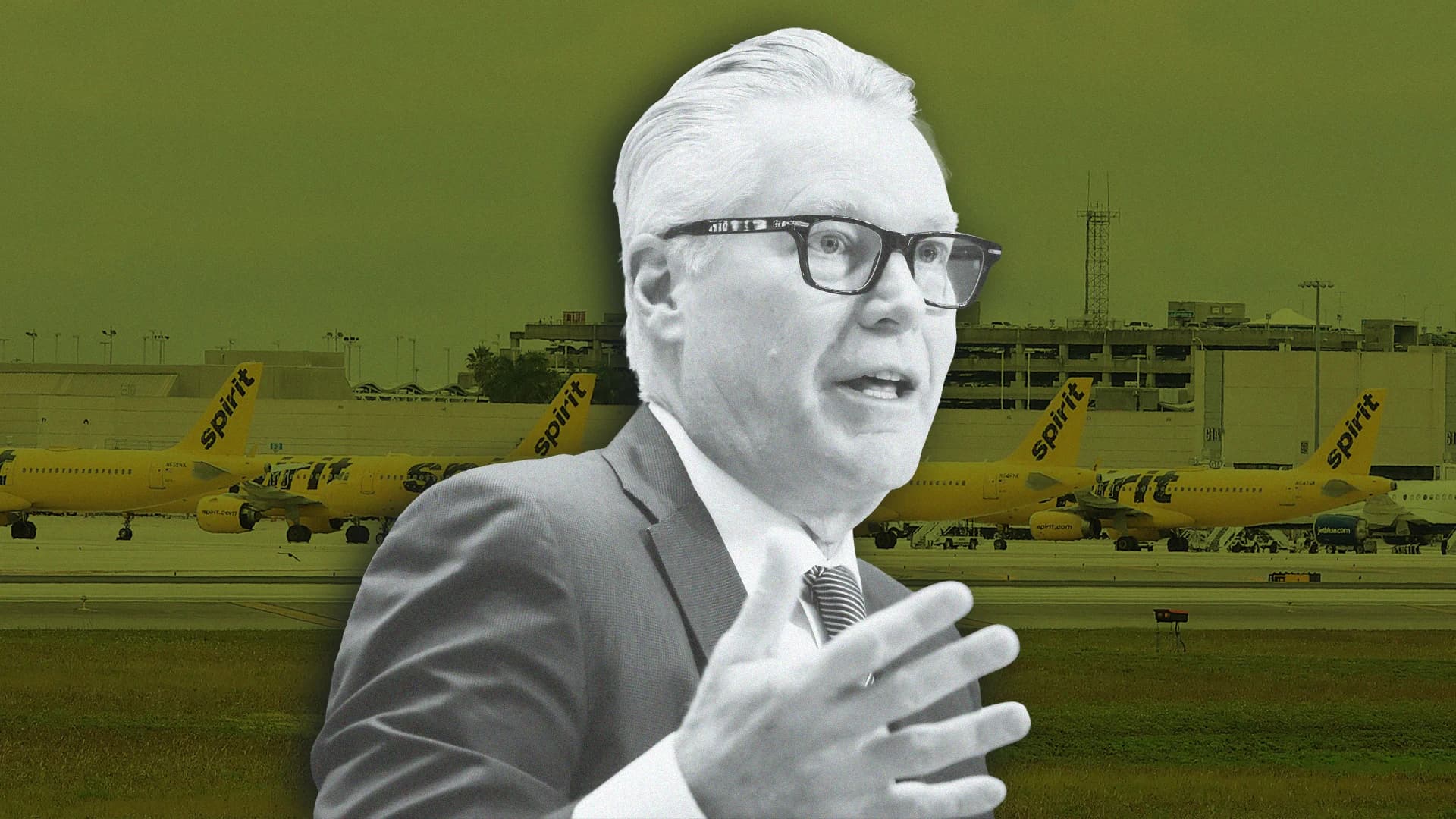
Spirit Airlines' financial struggles and eventual challenges have sparked debate among industry leaders about the viability of ultra-low-cost carrier models. According to reporting in Inc., executives at premium carriers are questioning whether Spirit's aggressive cost-cutting approach ultimately created a weak product that couldn't compete effectively in an evolving marketplace.
The criticism centers on how Spirit's pursuit of rock-bottom fares may have compromised customer experience in ways that ultimately hurt the brand's long-term competitiveness. Rather than building loyalty through reasonable service standards, the airline's business model created customer dissatisfaction that made the carrier vulnerable when market conditions tightened.
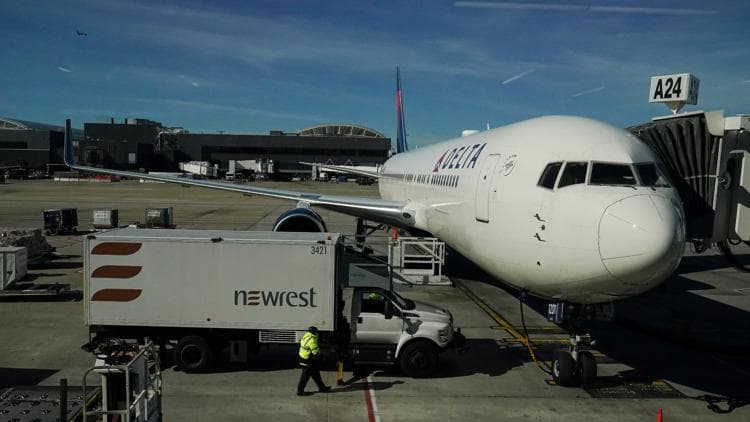
For Atlanta's aviation sector—home to Delta Air Lines' massive operations and a major hub for air travel—the Spirit case study underscores the importance of balancing cost efficiency with customer value. Airlines operating in the Southeast's competitive market must maintain standards that keep travelers coming back, even as they manage operational expenses.
The broader lesson for Atlanta-based businesses and regional carriers is that a sustainable competitive advantage requires more than simply undercutting rivals on price. Building a defensible market position means investing in product quality and customer relationships alongside cost management.