Photo via Fox5 Atlanta
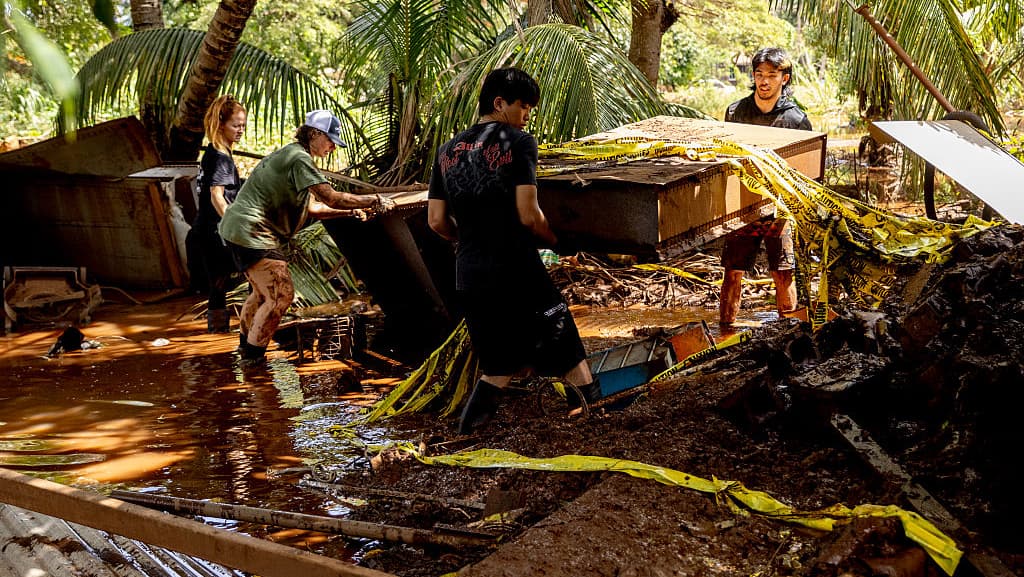
Hawaii's agricultural sector faces an unprecedented recovery challenge following March storms that delivered the state's heaviest rainfall in two decades, according to Fox5 Atlanta. The flooding has created significant disruptions across the islands' farming operations, raising concerns about the broader impact on national food supply chains. For Atlanta-area grocers and food distributors who rely on Hawaiian produce during winter and early spring months, the disaster signals potential inventory challenges and pricing pressures in coming weeks.
The timing of Hawaii's agricultural crisis is particularly consequential for U.S. food logistics. Hawaii supplies a meaningful portion of the nation's fresh produce during off-season months, particularly for mainland retailers seeking alternatives to continental growing regions. Atlanta's robust grocery and foodservice sectors—which include major distribution hubs serving the Southeast—may face tighter supplies and elevated costs for certain commodities as Hawaiian farms struggle to resume operations.
State officials have launched recovery initiatives to stabilize the farming community and prevent permanent abandonment of agricultural land. The coordinated response reflects broader concerns about food system resilience and the importance of diversified supply sources. For Atlanta businesses in retail and food distribution, the crisis underscores the vulnerability of concentrated agricultural regions and the value of supply chain redundancy.
Industry observers anticipate it will take months for Hawaiian farms to restore full production capacity. Atlanta-based food retailers and restaurateurs should prepare for potential menu adjustments and pricing volatility on affected produce categories. The situation also highlights opportunities for alternative suppliers and regional agricultural partnerships to fill supply gaps during the recovery period.