Photo via Fast Company
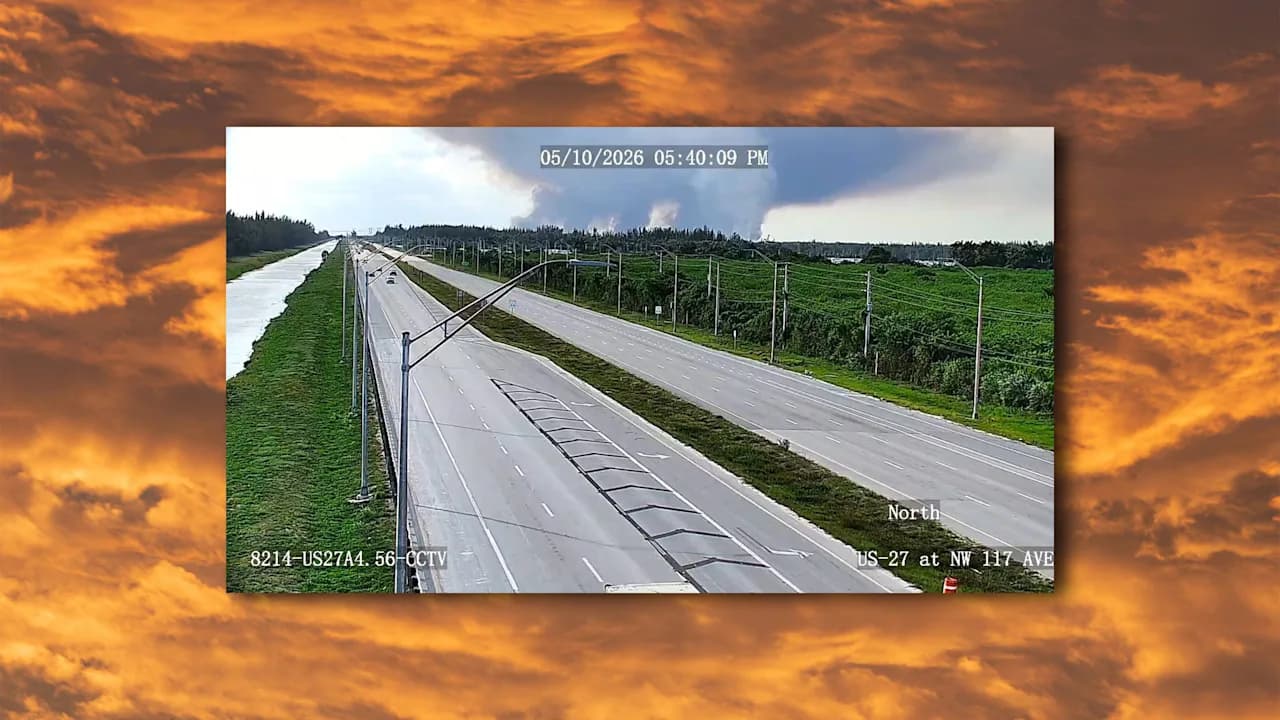
The Southeast is confronting an unprecedented environmental crisis as extreme drought conditions fuel widespread wildfire activity across Florida and Georgia. The Max Road Miramar Fire near Miami has already consumed over 5,600 acres, part of a larger pattern: Florida has experienced nearly 2,000 wildfires since January alone, compared to a typical annual average of 2,400. When combined with Georgia's fires—driven by similarly severe drought conditions—the region has seen over 120,000 acres burn this year, according to reporting from Politico. For Atlanta-area businesses dependent on regional supply chains, infrastructure, and workforce stability, these environmental disruptions pose tangible operational risks.
The severity of this year's wildfire season reflects a departure from historical norms, and climate experts attribute much of the intensification to human-caused climate change. The Everglades Foundation's chief science officer noted that while natural dry cycles are expected, the current pattern of large-scale burns is anomalous. Rising temperatures are not only increasing fire frequency but also severity, with wildfire activity this year running "well above average" nationwide. For corporate risk managers and real estate professionals in Atlanta, the trend underscores the importance of climate resilience planning and understanding long-term environmental impacts on regional assets.
A complicating factor in the government's ability to respond to these crises is the U.S. Forest Service's recent decision to close three-quarters of its research facilities. This reorganization has raised concerns among scientists about data collection crucial to firefighting strategies and climate monitoring. According to the Union of Concerned Scientists, the dismantling of research infrastructure could impair the tools and analytical capabilities that state and federal firefighting operations depend upon. For businesses in energy, agriculture, and logistics sectors operating across the Southeast, reduced government research capacity may also translate to slower risk assessment and response coordination.
The compounding effects of drought, uncontrolled wildfires, and reduced federal research capacity create a complex challenge for regional economic planning. Atlanta-area companies with operations or supply networks extending into Florida and Georgia should consider diversification strategies and enhanced business continuity protocols. The scale of environmental stress—comparable to four times the size of Disney World in burned acreage—signals that climate adaptation is no longer a peripheral concern but an integral component of corporate strategy in the Southeast.