Photo via Inc.
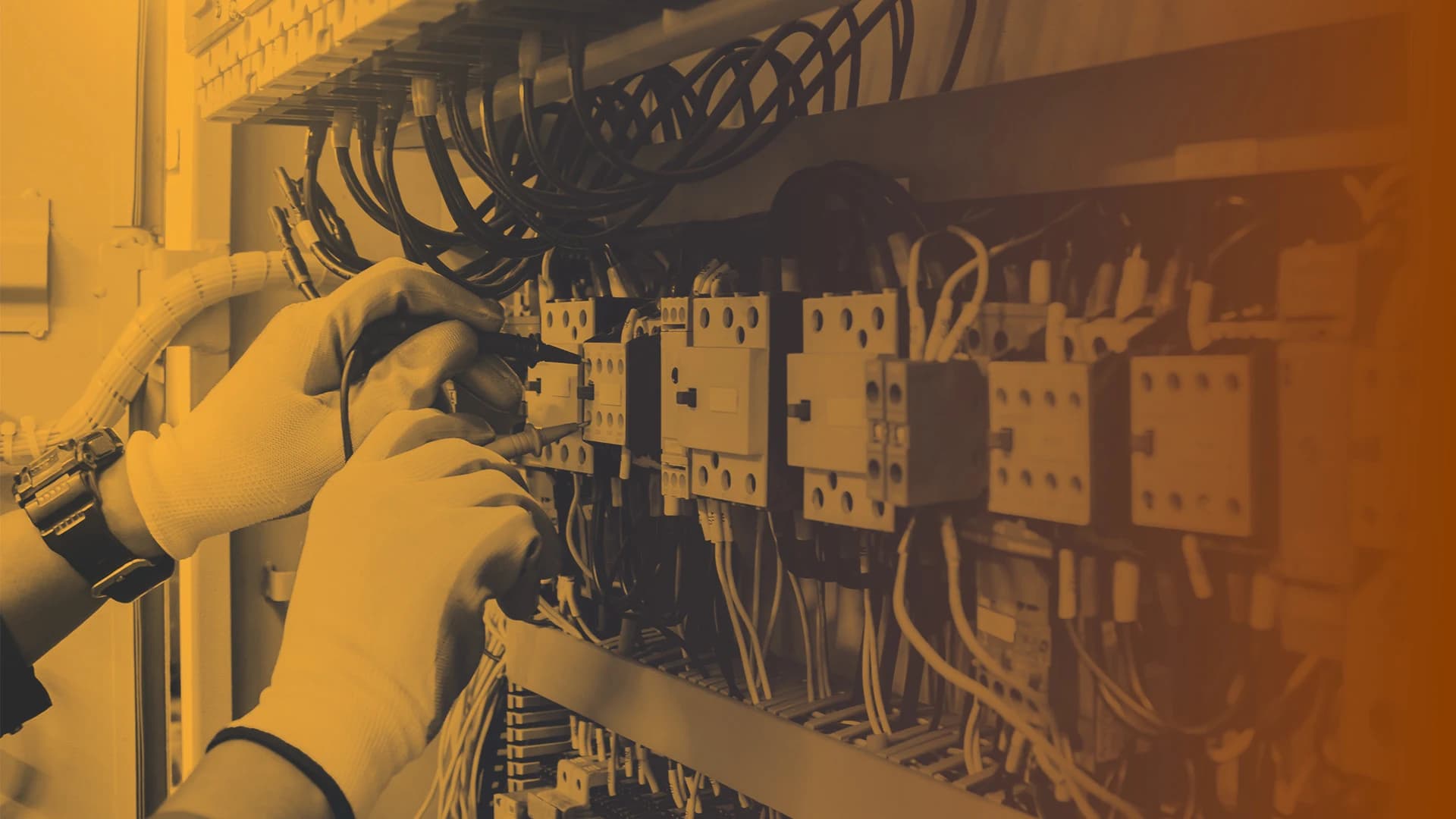
The conventional wisdom that office jobs provide the most secure career path is being upended by artificial intelligence and automation. According to Inc., hands-on skilled trades—from electricians and plumbers to HVAC technicians and construction specialists—are increasingly recognized as recession-resistant careers that cannot easily be replaced by technology. For Atlanta's workforce, this shift has significant implications as the region's construction boom and infrastructure development create sustained demand for qualified tradespeople.
Unlike many desk-based roles vulnerable to AI integration, skilled trades require physical presence, problem-solving in unpredictable environments, and specialized certifications that take years to develop. The nature of the work—whether troubleshooting electrical systems in a Midtown high-rise or managing HVAC installations across the greater metro area—demands human expertise, decision-making, and adaptability that current technology cannot replicate. This makes trade careers particularly attractive for workers seeking long-term job security.
Atlanta's robust real estate and construction sectors amplify this trend. The region's continued growth in residential and commercial development, combined with aging infrastructure requiring maintenance and upgrades, ensures steady demand for skilled tradespeople. Local contractors and trade unions report difficulty filling positions, indicating a significant opportunity gap that could benefit workers willing to pursue apprenticeships and certifications in high-demand fields.
For Atlanta employers and workforce development advocates, the message is clear: investing in trade education and apprenticeship programs addresses both worker security and regional talent shortages. As artificial intelligence reshapes traditional employment landscapes, the skilled trades offer a proven pathway to sustainable, well-compensated careers that will remain essential regardless of technological advancement.