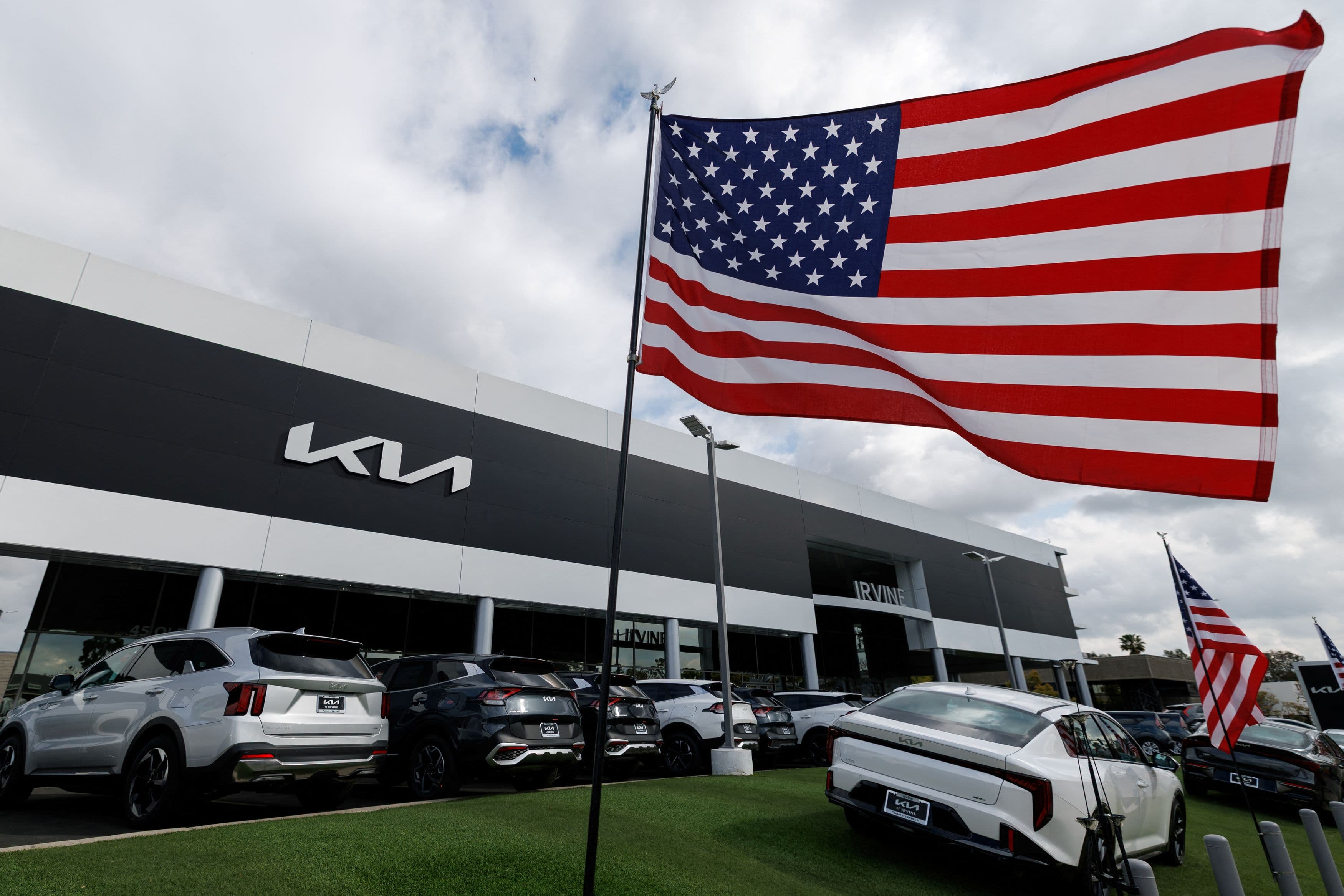
Photo via CNBC Business
The American automotive landscape is experiencing an unexpected shift. While sport utility vehicles have dominated sales for years, a combination of elevated pricing and market saturation is rekindling interest in sedans among cost-conscious buyers. According to CNBC Business, this trend is prompting foreign automakers to recalibrate their product strategies and allocate more resources toward sedan development and inventory.
For Atlanta-area dealerships and consumers, this represents a meaningful market realignment. The region's robust auto retail sector—home to numerous foreign and domestic franchises—stands to benefit from renewed sedan availability and competitive pricing. As manufacturers expand sedan lineups to capture price-sensitive segments, local dealers may find fresh opportunities to attract buyers seeking value without sacrificing brand prestige.
The economics driving this shift are straightforward: sustained high SUV prices have created demand for alternatives. Buyers who might have defaulted to SUVs in recent years are now reconsidering sedans as practical, affordable options. This demand signal is compelling automakers to diversify their portfolios rather than betting entirely on the SUV category, effectively correcting years of product-line concentration.
Industry observers suggest this isn't a temporary correction but a sustainable market correction. For Atlanta's automotive sector—which includes major distribution hubs and service centers—the sedan resurgence creates inventory diversity and pricing flexibility that benefits dealers and consumers alike. Understanding this cyclical shift helps regional business leaders anticipate dealership performance and consumer preference changes in the months ahead.