Atlanta, GA
Sign InEvents
ATLANTA BUSINESS
Magazine
Our Top 5
DOW
S&P
NASDAQ
Real EstateFinanceTechnologyHealthcareLogisticsStartupsEnergyRetail
● Breaking
School Safety Concerns Impact Atlanta-Area Business CommunityMarietta OKs Data Center Rezoning With Strict ConditionsPaulding County 911 Director Arrested Over Unauthorized License Plate SearchesPublic Safety Remains Critical Priority for Atlanta Business CommunityMajor Drug Trafficking Case Sentenced in Gwinnett CountySchool Safety Concerns Impact Atlanta-Area Business CommunityMarietta OKs Data Center Rezoning With Strict ConditionsPaulding County 911 Director Arrested Over Unauthorized License Plate SearchesPublic Safety Remains Critical Priority for Atlanta Business CommunityMajor Drug Trafficking Case Sentenced in Gwinnett County
CareCore Skilled Nursing Facility Software
Retail
Retail

Retailers Turn to Alternative Carriers as Delivery Speed Expectations Rise

Tightening consumer delivery expectations have prompted more than half of retailers to diversify beyond traditional carriers like FedEx and UPS.

Retailers Turn to Alternative Carriers as Delivery Speed Expectations Rise

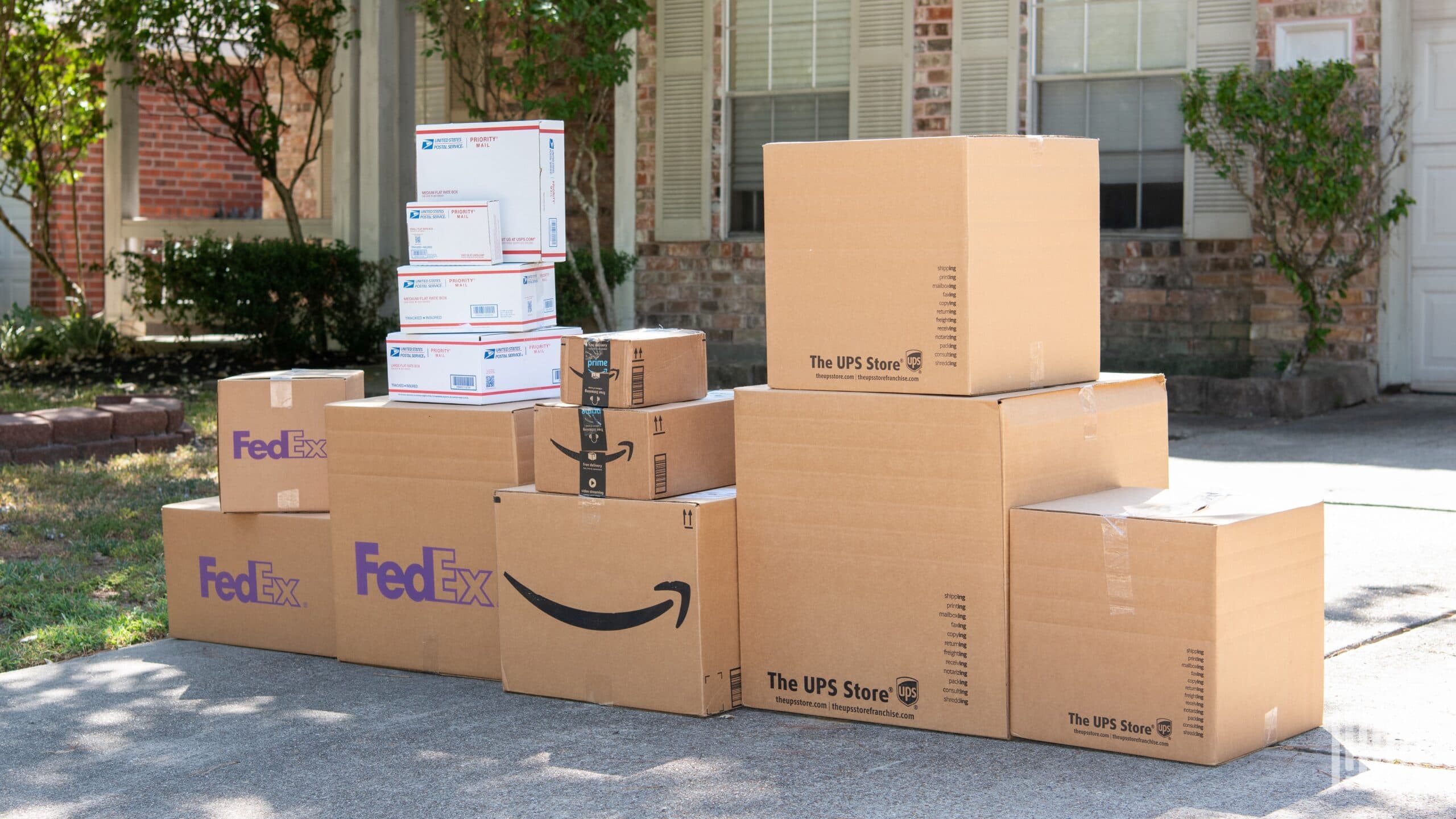
Photo via FreightWaves

According to FreightWaves, consumer expectations for free delivery have shifted dramatically, with the average acceptable delivery window now compressed to 2.6 days, down from 3.4 days just years prior. This acceleration in speed requirements has fundamentally reshaped logistics strategies across the retail sector.

The pressure to meet these accelerated timelines has prompted more than half of U.S. retailers to move beyond the traditional last-mile delivery duopoly dominated by FedEx, UPS, and the U.S. Postal Service. Retailers are increasingly exploring alternative carriers and logistics partners to maintain competitive advantage and fulfill customer expectations for rapid, cost-free shipping.

This carrier diversification trend signals a broader shift in supply chain strategy, as established logistics providers face mounting competition from specialized carriers and new entrants willing to invest in faster delivery infrastructure. The fragmentation of the last-mile market reflects changing consumer behavior and the mounting operational challenges traditional carriers face in scaling to meet demand.

Last-mile DeliveryLogisticsRetailSupply ChainFedEx UPS
Related Coverage