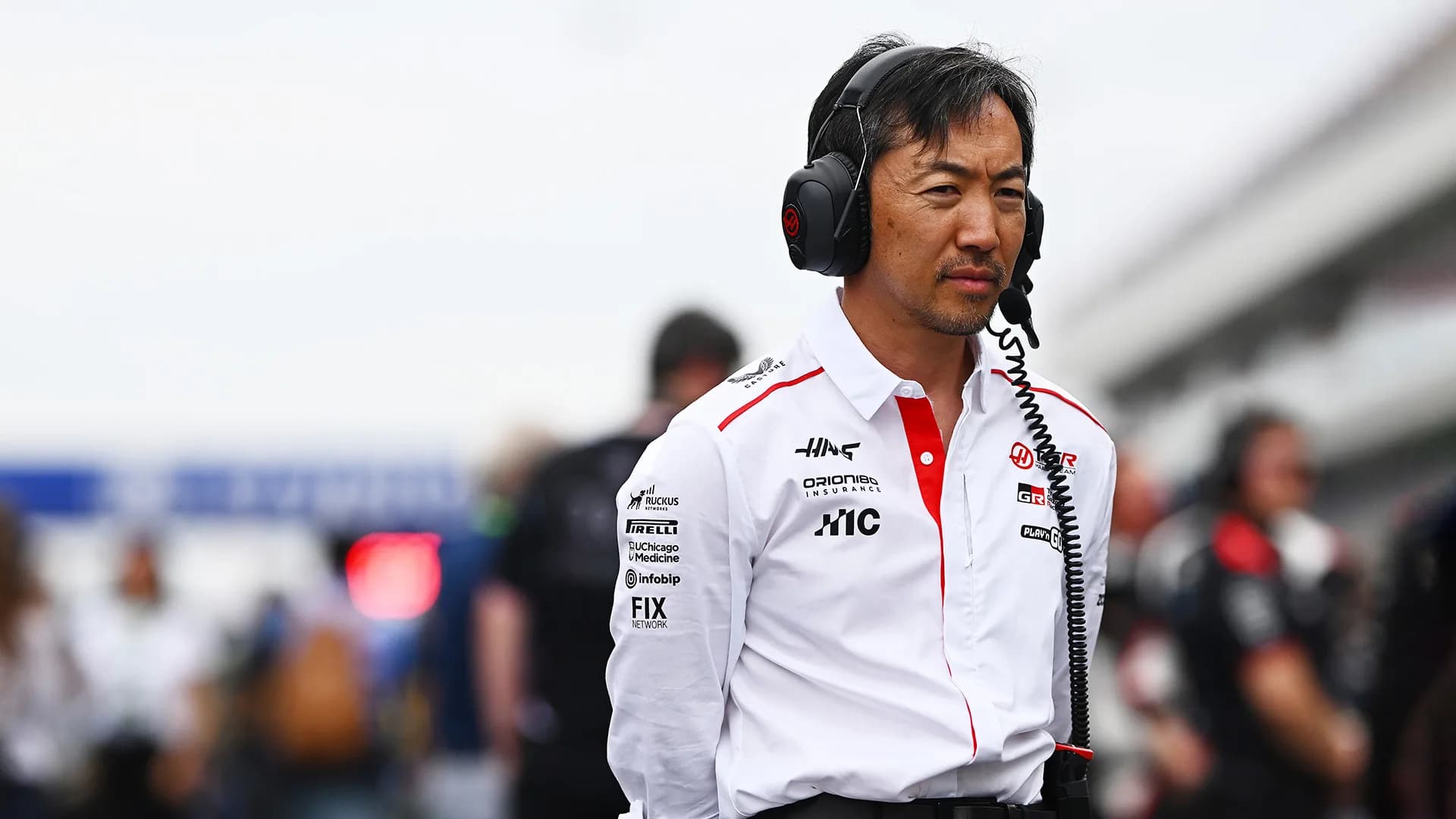
Photo via Inc.
Ayao Komatsu's leadership philosophy at Haas Formula 1 offers actionable insights for Atlanta-area executives managing organizational transformation. Rather than layering on additional policies and oversight mechanisms, Komatsu focuses on identifying and dismantling barriers that prevent teams from performing at their best. This approach challenges the conventional wisdom that more structure automatically yields better results—a lesson particularly relevant for growing Atlanta companies navigating rapid scaling.
The core principle centers on understanding that high-performing teams often falter not because of a lack of rules, but because excessive constraints stifle decision-making and innovation. By shifting from a compliance-focused culture to an enablement-focused one, leaders can unlock latent capability within their existing workforce. This resonates with Atlanta's competitive business landscape, where talent retention and engagement increasingly depend on organizational agility rather than hierarchical control.
According to leadership research cited in the source, great leaders function as obstacle removers—they diagnose what's blocking progress and systematically eliminate friction points. Whether managing a manufacturing operation in suburban Atlanta or a tech startup in Midtown, this principle applies universally. Leaders should audit their organizations for unnecessary approval layers, unclear decision-making authority, and process redundancies that slow execution without adding value.
For Atlanta business leaders seeking to drive team performance and cultural improvement, the takeaway is clear: audit your systems for unnecessary friction, clarify decision rights, and empower frontline teams with autonomy. This mindset shift from rule-maker to obstacle-remover can significantly impact organizational velocity, employee morale, and ultimately, bottom-line performance in today's competitive market.