Photo via Inc.
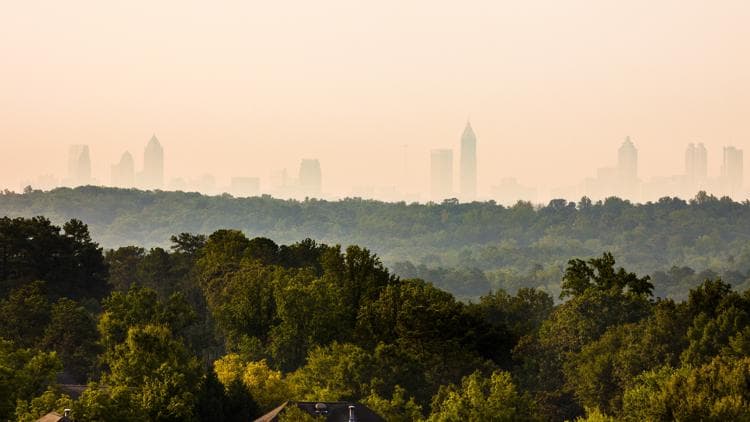
The real estate industry is experiencing a fundamental shift in how properties are designed, built, and integrated into communities. According to Inc., a new wave of entrepreneurs is leveraging technology and human-centered design to address longstanding challenges in housing development and urban planning. For Atlanta's booming real estate market, these innovations could reshape everything from downtown redevelopment to suburban expansion.
One significant trend is the acceleration of construction timelines through AI-powered building systems and modular design approaches. Rather than traditional year-long development cycles, these methods compress project timelines while maintaining quality and community input. Atlanta developers managing multiple projects across the metro area could benefit from faster permitting and construction phases, potentially reducing costs and bringing housing to market more quickly.
The disaster recovery angle also carries relevance for the Southeast, where severe weather threatens communities annually. Real estate innovators are pioneering rapid-rebuild methodologies that restore neighborhoods efficiently after wildfires and storms. As Atlanta continues experiencing extreme weather events, these scalable recovery models could become critical for residential and commercial property owners seeking resilience.
Beyond efficiency gains, the emerging real estate landscape prioritizes genuine community engagement and human-centric design. Smaller, more localized projects are replacing one-size-fits-all development patterns, allowing neighborhoods to maintain character while growing. For Atlanta stakeholders invested in authentic urban revitalization, this shift toward people-first development offers a blueprint for sustainable, inclusive growth.