Photo via 11Alive Atlanta
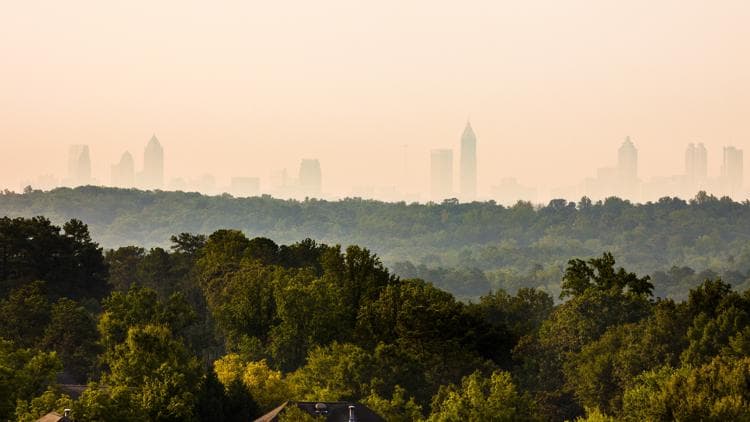
According to 11Alive Atlanta, Atlanta's tree canopy coverage has declined significantly over the past 15 years, now covering an estimated 44.5% of the city compared to higher levels in 2008. This shrinkage reflects the accelerating pace of real estate development across Atlanta's neighborhoods, as builders and developers compete for available land to meet the region's population growth. The trend underscores a growing tension between Atlanta's rapid urbanization and preservation of its natural infrastructure.
The loss of tree canopy carries tangible implications for Atlanta's business community and residents. Urban forests provide measurable economic value through improved air quality, stormwater management, and reduced cooling costs for commercial and residential properties. Real estate developers and city planners increasingly recognize that neighborhoods with mature tree coverage command premium property values and attract corporate tenants seeking sustainable, livable environments—factors that influence site selection decisions for Atlanta's competitive business landscape.
Conservation advocates and urban planners are urging Atlanta to implement stronger protections and restoration initiatives to reverse the canopy decline. For Atlanta's business community, this represents an opportunity to align development practices with environmental stewardship, potentially enhancing long-term property values and the city's appeal to talent and investment. Strategic tree preservation and replanting efforts could become a competitive advantage as companies evaluate relocating to or expanding within the Atlanta metropolitan area.