
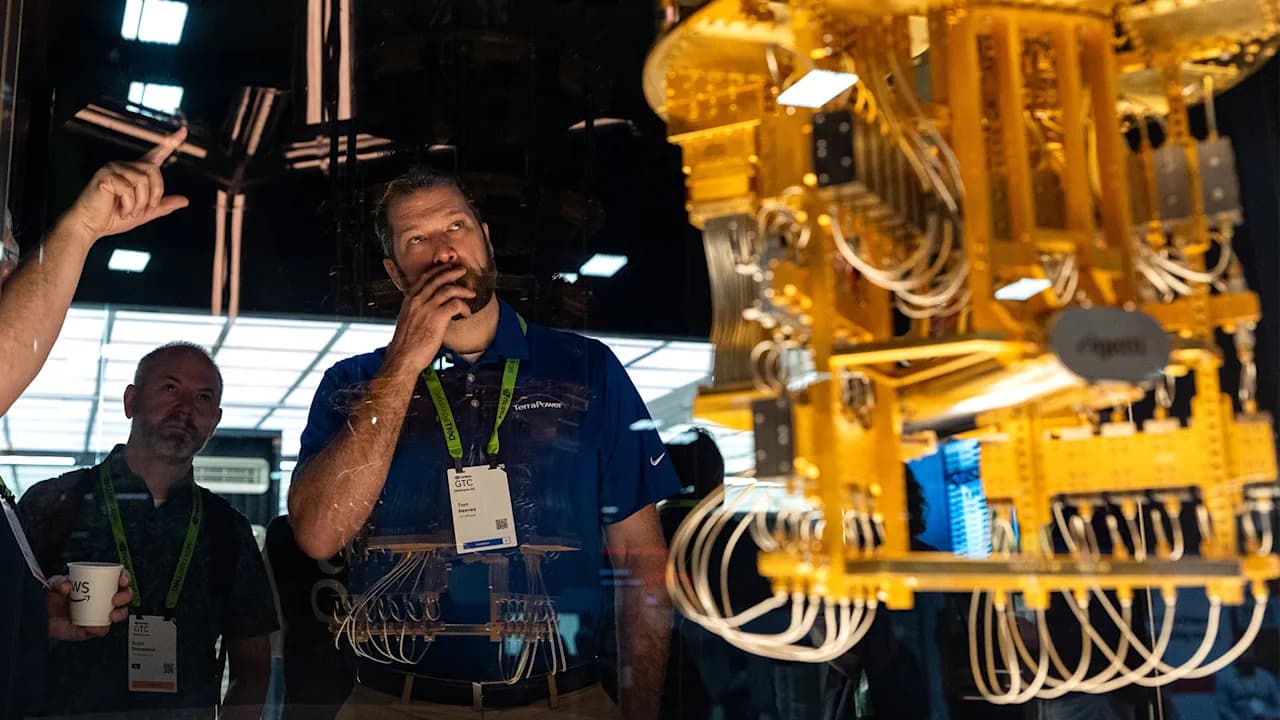
Photo via Fast Company
The quantum computing sector is experiencing renewed momentum after a disappointing start to 2026. According to Fast Company, all four major publicly traded quantum firms—D-Wave, IonQ, Quantum Computing Inc., and Rigetti—have recovered significantly from early-year losses, with stock gains accelerating since mid-April's World Quantum Day. For Atlanta investors tracking emerging technology trends, this rebound offers a case study in how market sentiment can shift when fundamentals improve.
The driving force behind the recent surge is quantum earnings season, with all four companies reporting stronger-than-expected Q1 results. IonQ reported 755% year-over-year revenue growth, Rigetti posted 193% growth, and Quantum Computing Inc. achieved a remarkable 9,300% revenue increase. Even D-Wave, which saw revenue decline, reported bookings of $33.4 million—a 1,994% jump from the prior year—suggesting robust future demand despite current headwinds. These metrics underscore growing commercial interest in the technology.
While the recent rally is impressive, industry experts caution that widespread quantum computing adoption remains years away, with most forecasts pointing to the mid-2030s at earliest. This timeline means that despite current enthusiasm, quantum computing companies face a lengthy development period before achieving the transformative impact comparable to artificial intelligence. For Georgia-based tech investors and executives, understanding this long horizon is critical to evaluating whether these stocks represent opportunity or speculation.
Before the recent gains, three of the four quantum companies remained underwater for the year. The sector's volatility reflects the broader challenge of investing in pre-revenue or early-revenue technologies: strong potential paired with significant uncertainty. As quantum companies compete for market position and funding, Atlanta's growing tech ecosystem may see increased interest from venture capitalists and corporate strategists seeking exposure to this emerging computing paradigm.