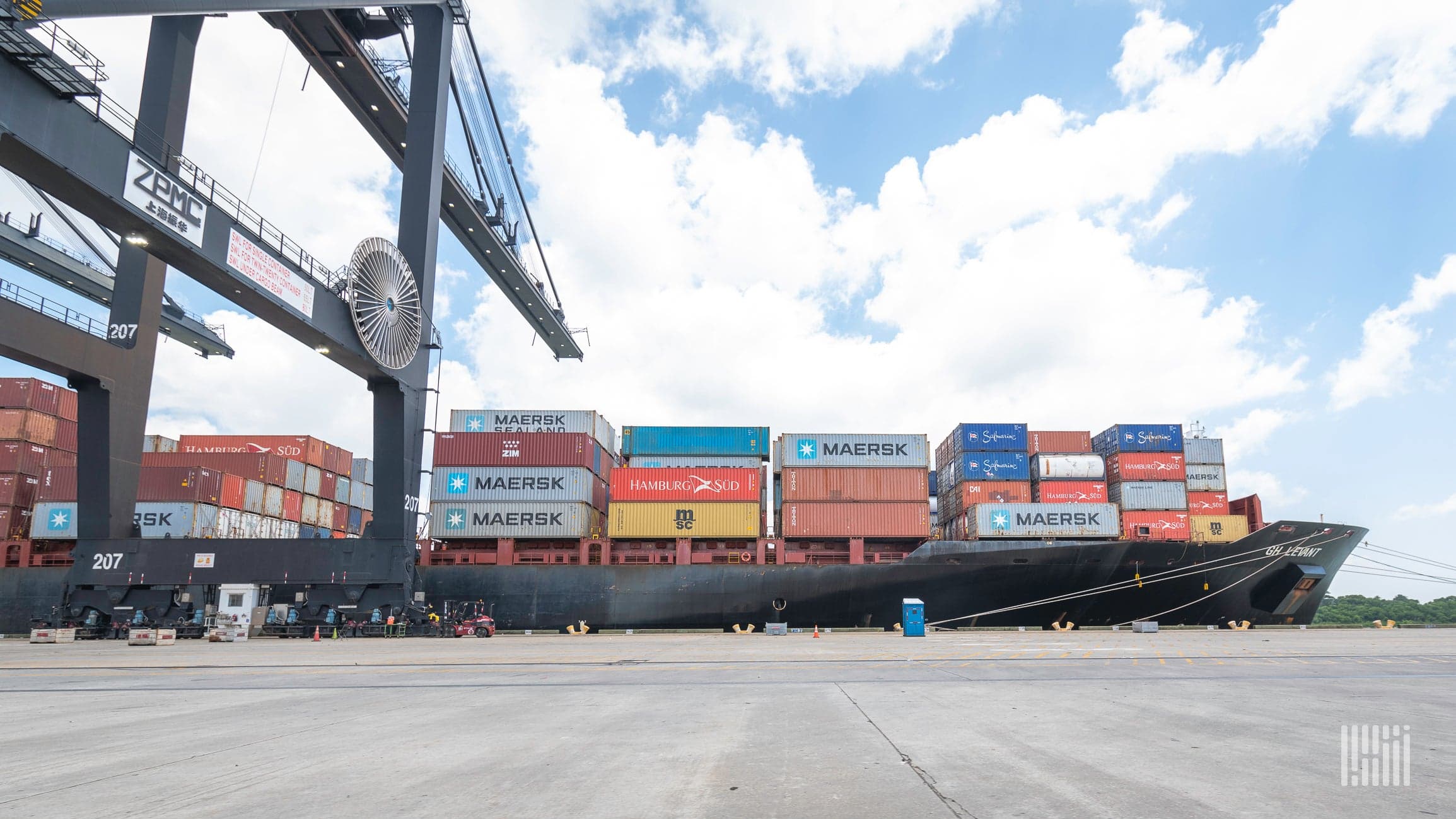
Photo via Fortune
Global financial markets are experiencing heightened volatility as oil price uncertainties cascade into broader debt market concerns, according to reporting from Fortune. The dual pressure—rising energy costs coupled with weakness in fixed-income securities—is creating a challenging environment for portfolio managers and corporate treasurers across the Southeast, particularly those with exposure to international debt or energy sector investments.
The geopolitical trigger stems from escalating U.S.-Iran tensions. According to Fortune, President Trump recently indicated to Axios that time is running short for Iran to renegotiate its international agreements, warning of military escalation if negotiations falter. Such rhetoric historically correlates with elevated oil prices and market uncertainty, factors that Atlanta-based energy companies and transportation firms monitor closely given their operational exposure to fuel costs.
For Atlanta's business community, the ripple effects warrant attention. Energy sector companies headquartered in the region face potential margin pressure from commodity volatility, while logistics and transportation firms—critical to Atlanta's economy—may see increased operational costs. Additionally, financial services firms and institutional investors managing portfolios with international exposure need to reassess risk positioning as debt markets experience heightened selling pressure.
Business leaders in Atlanta should monitor both energy markets and geopolitical developments in the coming weeks. Companies with significant capital expenditure plans may want to revisit hedging strategies, while those with debt refinancing needs should accelerate timelines if possible. The uncertainty underscores the importance of scenario planning and stress-testing assumptions around energy costs and borrowing conditions.