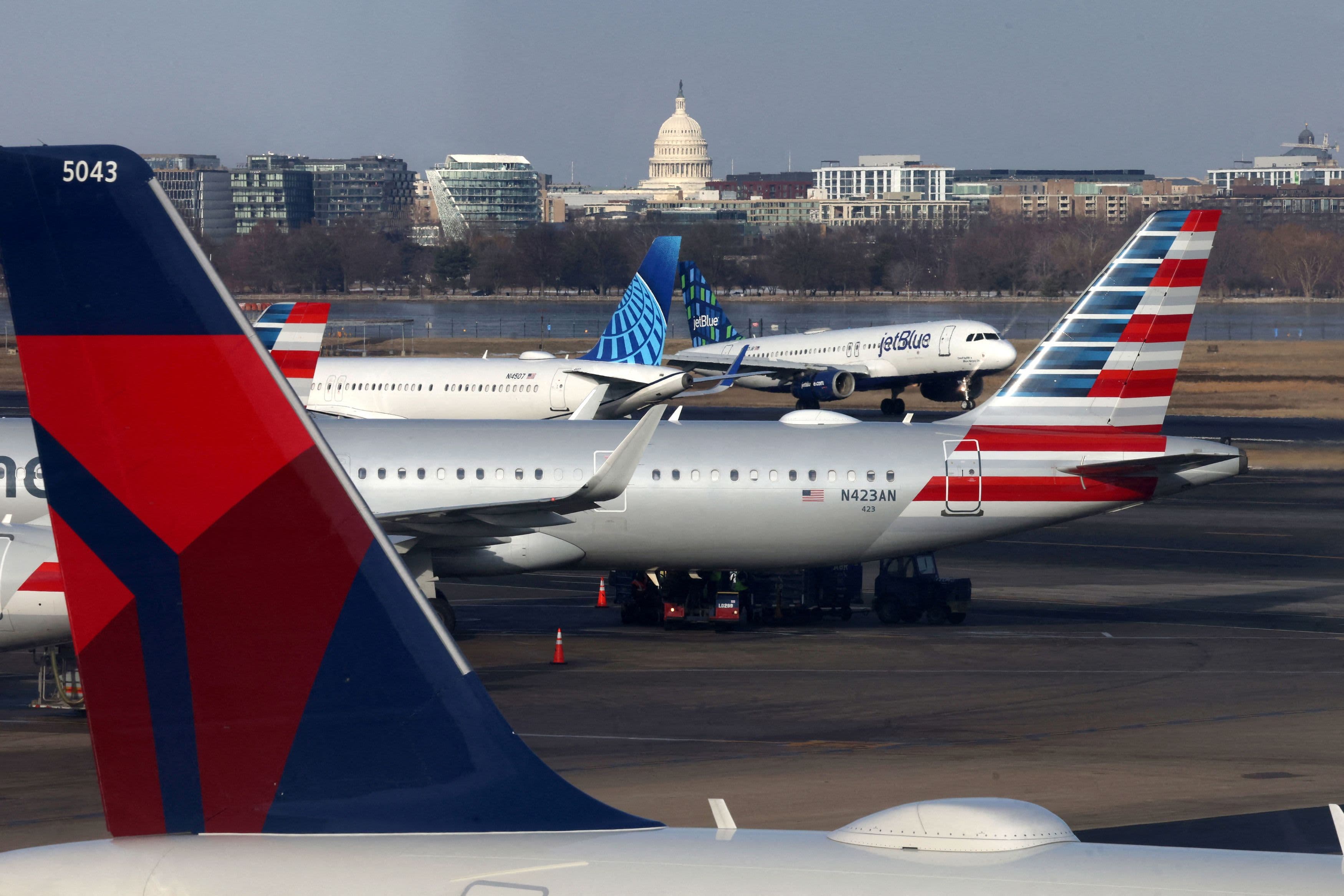
Photo via CNBC Business
According to CNBC Business, members of Congress are urging airline executives to reduce ticket prices if fuel costs decline, following significant fare increases implemented throughout the year. The push comes as carriers have justified higher fares, fuel surcharges, and baggage fees by citing elevated petroleum prices stemming from geopolitical tensions that began in late February.
Atlanta's robust business travel market—supported by major corporations headquartered in the region and Delta Air Lines' substantial operations at Hartsfield-Jackson International Airport—could see meaningful impacts if airlines respond to the congressional pressure. Delta and other carriers operating from Atlanta's hub have been among those implementing across-the-board price increases to offset fuel expenses.
The debate highlights a broader tension between airline profitability and consumer costs. Industry observers question whether carriers will voluntarily reduce fares proportionally if energy prices fall, or whether regulatory intervention may become necessary to ensure consumers benefit from market fluctuations in fuel expenses.
For Atlanta-based businesses managing travel budgets, the outcome of these discussions could influence operational expenses significantly. The region's status as a major business aviation hub makes airline pricing policy particularly relevant to local companies and their bottom lines.