Financial markets showed signs of stress this week as geopolitical tensions escalated following fresh warnings from the Trump administration toward Iran. According to reporting on the situation, the combination of uncertainty and potential military posturing sent investors seeking safer assets, creating a split between equity and fixed-income markets that underscores underlying anxiety about global stability.
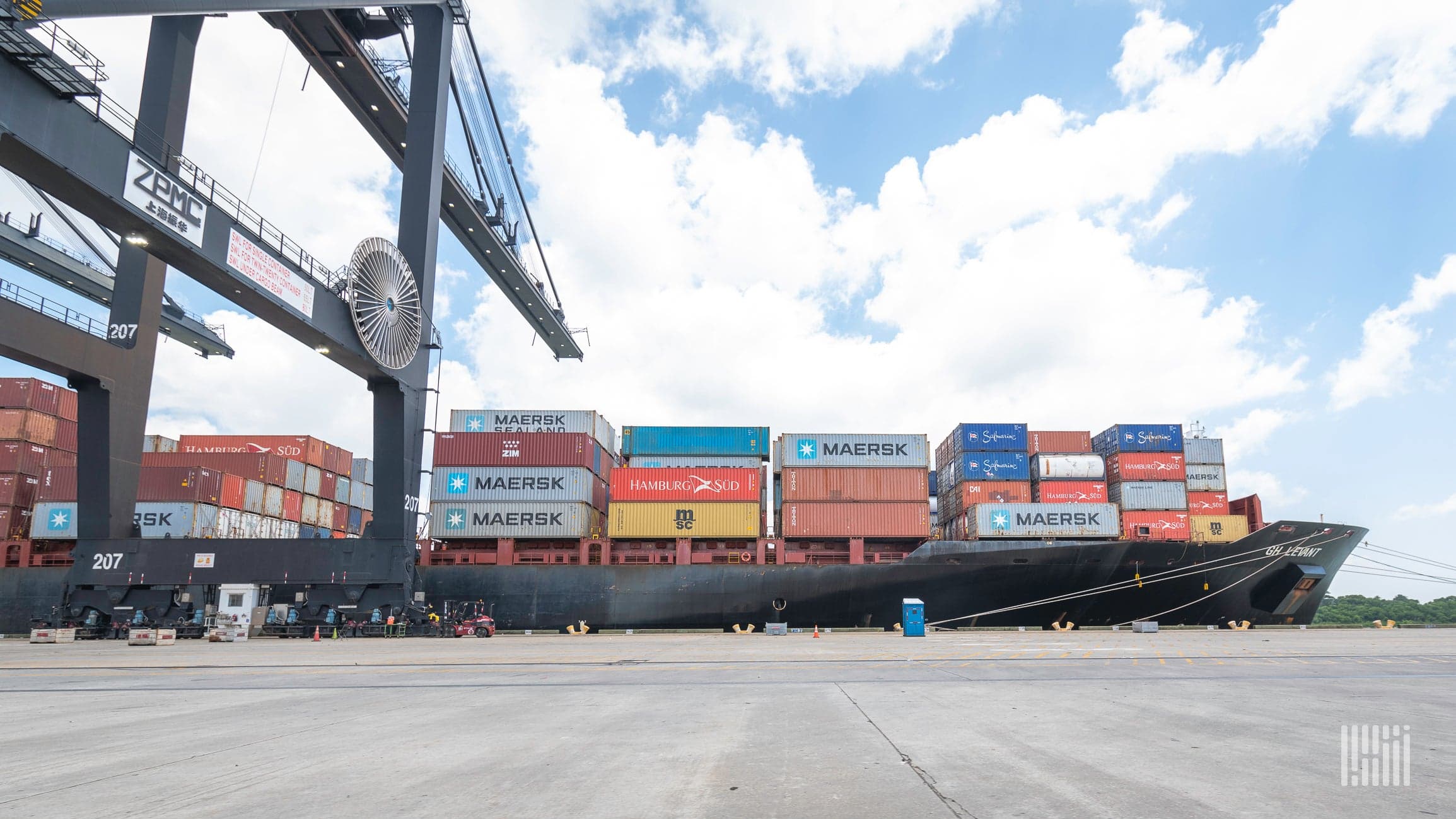
Energy markets have been particularly sensitive to the news, with crude oil prices climbing amid concerns that regional conflict could disrupt supply chains. For Atlanta-based businesses dependent on transportation and logistics—including the significant industrial and warehouse operations around the Port of Savannah—rising fuel costs could compress already-thin margins and increase operational expenses across supply chains.
The bond market's weakness signals investor concerns about inflation pressure should oil prices remain elevated. According to market analysts cited in recent reporting, sustained high energy costs could force the Federal Reserve to maintain higher interest rates longer than previously anticipated, affecting borrowing costs for Atlanta businesses planning expansion or refinancing existing debt.
Local business leaders are monitoring these developments closely, particularly in sectors sensitive to energy costs and interest rate movements. For Atlanta's real estate, retail, and transportation sectors, the interplay between oil prices and inflation expectations could shape investment decisions and consumer spending patterns in the months ahead.