Photo via Fortune
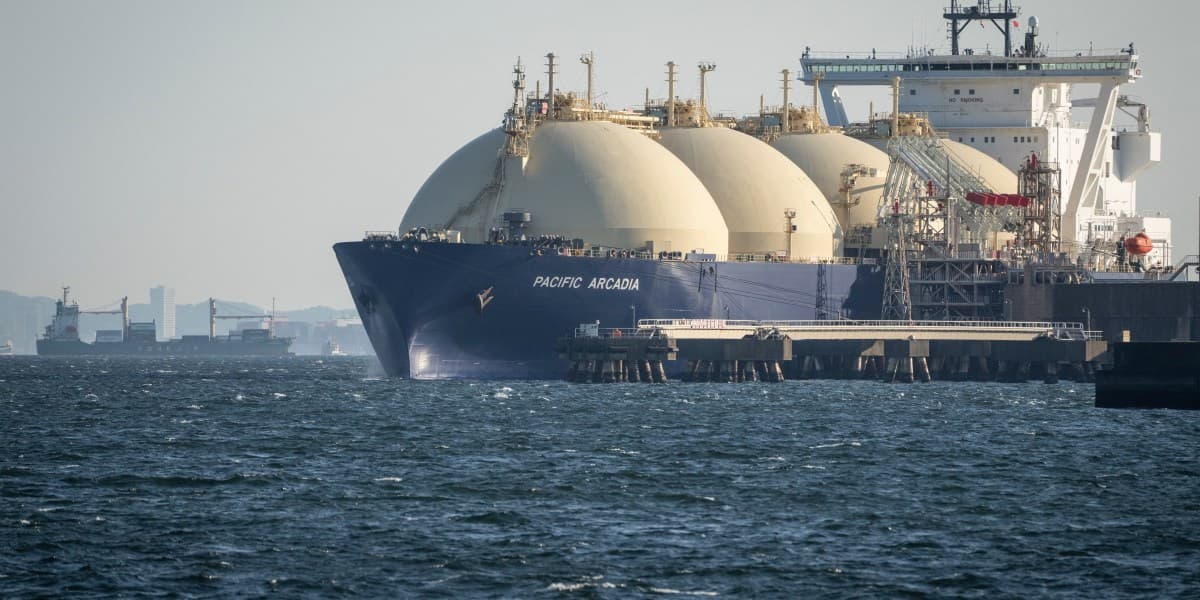
Geopolitical tensions in the Middle East are creating significant uncertainty in global energy markets, with potential supply disruptions that could reshape pricing and availability worldwide. According to Fortune, a second wave of Iran-related energy shocks appears imminent, yet investors and traders have largely dismissed the threat—a disconnect that could prove costly for businesses dependent on stable energy costs and supply chains.
Market complacency appears rooted in misplaced optimism, according to analysts quoted in the source reporting. Many investors are banking on a swift resolution to regional conflicts, assuming energy disruptions will remain temporary. This 'wishful thinking,' as one analyst describes it, mirrors historical patterns where markets underestimate geopolitical risks until they materialize into concrete supply problems.
For Atlanta-area businesses—particularly those in logistics, manufacturing, and transportation—energy price volatility poses real operational challenges. Companies relying on fuel-dependent supply chains, distribution networks, or energy-intensive processes should monitor developments closely and consider hedging strategies. Energy costs directly impact shipping rates and operational margins across the Southeast's thriving distribution and fulfillment sectors.
The broader lesson for Atlanta executives: don't assume markets have properly priced in global risks. Companies should stress-test their operations against potential energy cost increases and review supply chain dependencies now, before disruptions force reactive—and expensive—adjustments. Forward-thinking businesses that prepare ahead often outperform competitors caught flat-footed by market shocks.