Atlanta, GA
Sign InEvents
ATLANTA BUSINESS
Magazine
Our Top 5
DOW
S&P
NASDAQ
Real EstateFinanceTechnologyHealthcareLogisticsStartupsEnergyRetail
● Breaking
School Safety Concerns Impact Atlanta-Area Business CommunityMarietta OKs Data Center Rezoning With Strict ConditionsPaulding County 911 Director Arrested Over Unauthorized License Plate SearchesPublic Safety Remains Critical Priority for Atlanta Business CommunityMajor Drug Trafficking Case Sentenced in Gwinnett CountySchool Safety Concerns Impact Atlanta-Area Business CommunityMarietta OKs Data Center Rezoning With Strict ConditionsPaulding County 911 Director Arrested Over Unauthorized License Plate SearchesPublic Safety Remains Critical Priority for Atlanta Business CommunityMajor Drug Trafficking Case Sentenced in Gwinnett County
CareCore Skilled Nursing Facility Software
Retail
Retail

Importers Challenge Forced Labor Tariffs in Trade Court

Importers are challenging tariffs imposed on goods from 60 economies, citing trade law concerns in a new Court of International Trade filing.

Importers Challenge Forced Labor Tariffs in Trade Court

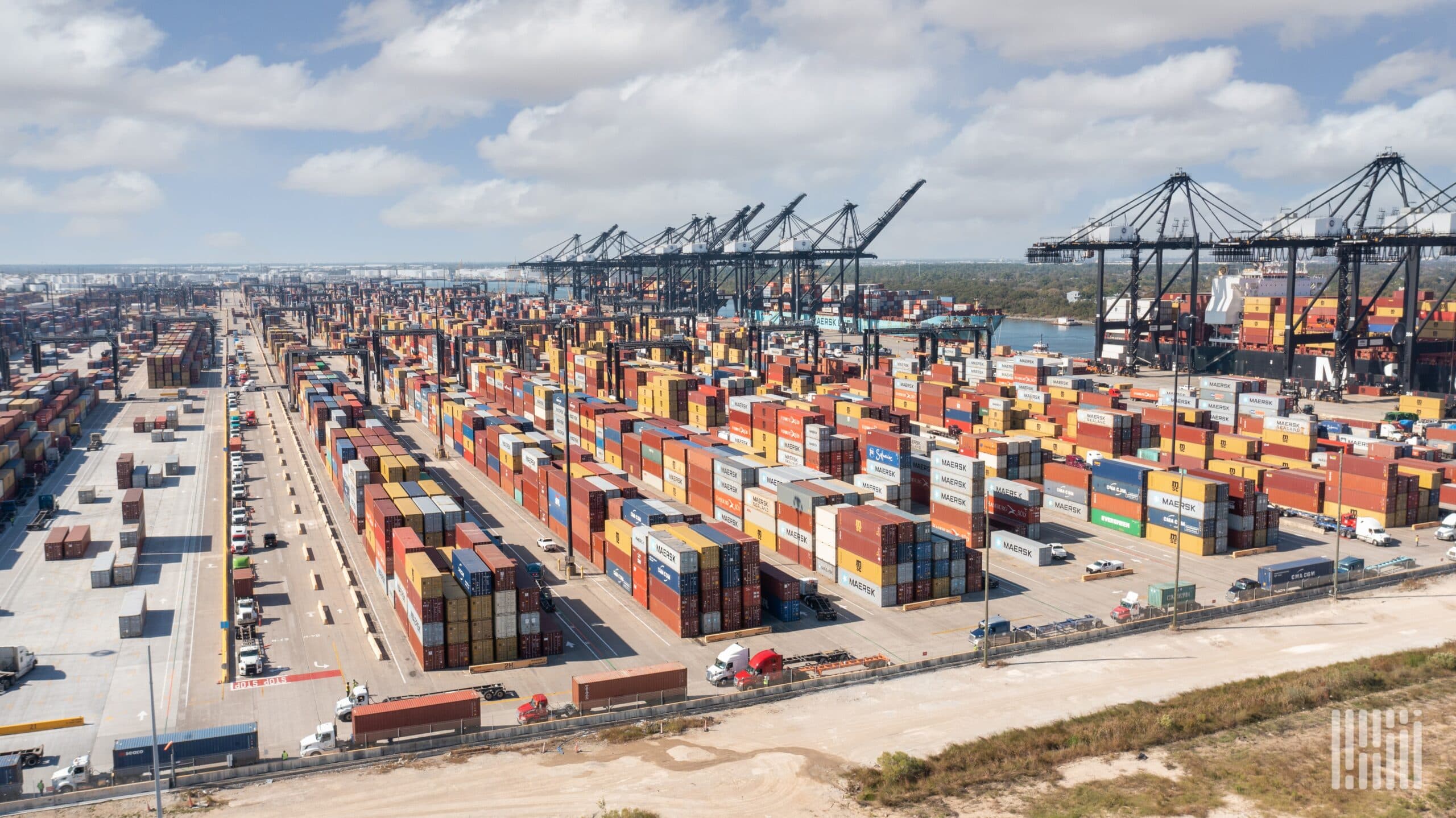
Photo via FreightWaves

A coalition of importers—including a spice distributor, watch retailer, and toy manufacturer—has filed suit in the U.S. Court of International Trade seeking to overturn tariffs affecting nearly all categories of goods entering American markets. According to FreightWaves, the legal challenge centers on duties tied to forced labor regulations and their application across a broad range of trading partners.

The importers contend that the tariff regime, which targets products from approximately 60 economies, imposes excessive costs on supply chains and raises compliance challenges for retailers and consumer goods companies. The suit raises questions about the scope and implementation of forced labor trade enforcement mechanisms that have become increasingly prominent in U.S. trade policy.

The case represents growing tension between efforts to combat forced labor practices internationally and the operational realities facing importers who depend on diverse supply chains. The outcome could have significant implications for how the U.S. applies trade remedies in pursuit of labor and human rights objectives.

TariffsTrade PolicyForced LaborSupply ChainInternational Trade
Related Coverage