Photo via 11Alive Atlanta
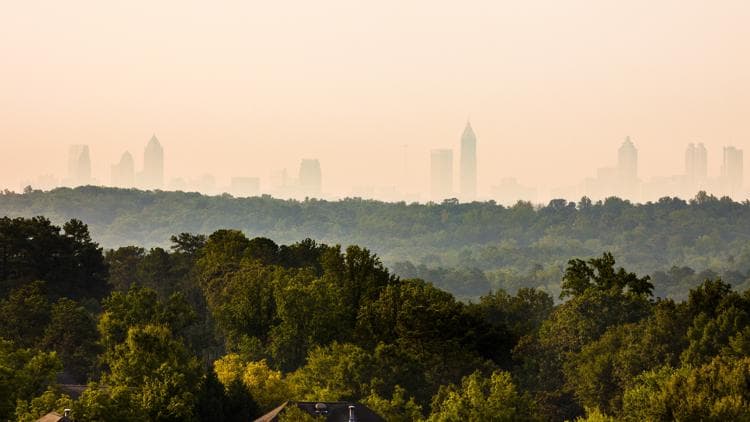
Noise pollution from Interstate 285 has long been a quality-of-life concern for residents in Southwest Atlanta neighborhoods adjacent to the major corridor. According to 11Alive Atlanta, one persistent advocate has spent years pushing Georgia Department of Transportation officials to install sound barriers along the highway near his community, underscoring a broader tension between infrastructure maintenance and neighborhood livability in Atlanta's residential areas.
GDOT's approval criteria for sound barriers remain notably rigorous, requiring projects to meet specific cost-benefit thresholds before moving forward. This high bar has made it difficult for affected communities to secure noise mitigation measures, even as I-285 continues to serve as a critical economic and logistical artery for the Atlanta metro region. The disparity in which neighborhoods receive such infrastructure improvements raises important questions about equitable resource allocation across the city.
The resident's personal efforts to document and demonstrate the noise impact—including building devices to measure and illustrate the problem—reflect a growing pattern of community members taking action when government agencies move slowly. Such grassroots advocacy efforts, while highlighting civic engagement, also underscore the need for clearer pathways and more accessible processes for neighborhoods seeking basic quality-of-life improvements near major transportation corridors.