Photo via Fortune
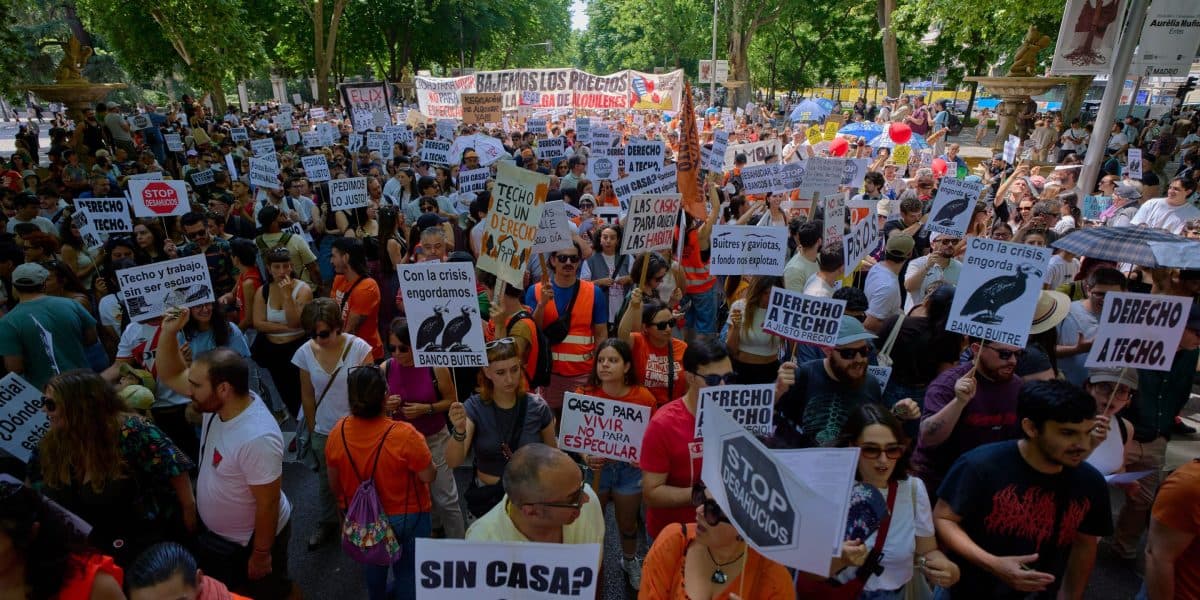
Spain's housing affordability crisis is reaching a breaking point. According to Fortune, rental costs across the country jumped 13% in a single year, prompting widespread demonstrations and political backlash. Prime Minister Pedro Sánchez proposed a €7 billion intervention package to stabilize the market, but the measure died in Parliament, leaving renters and policymakers at an impasse. The situation raises critical questions about how cities balance tourism-driven economies with the needs of working residents.
The Madrid protests underscore a tension that's increasingly familiar to major metropolitan areas worldwide: rapid economic growth and real estate investment can price out the very workers who sustain a city's service economy. Renters gathered with a clear message—they want stable housing for long-term residents, not conversion of neighborhoods into short-term tourist accommodations. This dynamic mirrors challenges in other booming urban centers where vacation rentals and investor activity have reshaped neighborhood character and affordability.
Atlanta's real estate market has experienced similar pressures as the region attracts corporate relocations, tech investment, and tourism growth. The Atlanta area has seen rising rental costs and increased short-term rental activity in key neighborhoods, prompting conversations among city planners and business leaders about sustainable growth. Spain's failed legislative response offers a cautionary tale: when policy fails to address housing affordability proactively, public frustration can destabilize economic momentum and create political gridlock.
For Atlanta business leaders, the Madrid case illustrates why housing policy matters to economic resilience. A stable rental market supports workforce recruitment, reduces employee turnover, and maintains neighborhood vitality. As the Atlanta region continues its growth trajectory, stakeholders may need to engage more directly with affordability solutions—whether through development incentives, rental regulations, or public-private partnerships—to avoid the political and social friction now dominating conversations in Spain.