
Photo via Fortune
Supply chain disruptions stemming from geopolitical tensions at the Strait of Hormuz are creating unprecedented aluminum shortages that ripple across global markets. According to Fortune, the chokepoint has constrained aluminum availability, forcing manufacturers and retailers to grapple with reduced material supplies and elevated procurement costs. For Atlanta-area beverage distributors and food service companies relying on aluminum cans for packaging, the shortage underscores the vulnerability of just-in-time supply chains to international disruptions.
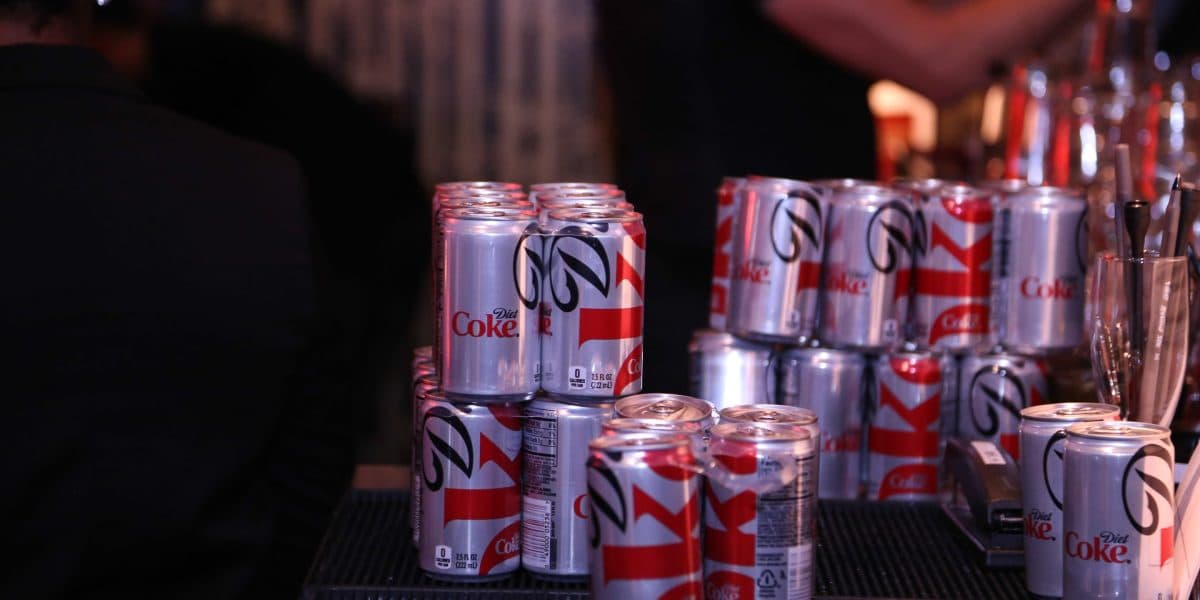
The impact extends beyond industrial procurement to consumer behavior and pricing strategies. In India, where Diet Coke has become a status symbol among Gen Z consumers, the aluminum shortage has transformed the soft drink into a premium product, with retailers reporting stock-outs and customers paying above-standard prices. This phenomenon illustrates how commodity constraints can unexpectedly reshape consumer psychology and brand positioning—a lesson relevant for Atlanta beverage companies and retailers monitoring demand elasticity.
The shortage highlights the interconnected nature of modern supply chains and the cascading effects when critical nodes are disrupted. Aluminum, essential for beverage cans, food packaging, and industrial applications, flows through global networks that depend on stable transit routes and production capacity. For Atlanta-based logistics providers and manufacturers, the current environment underscores the importance of supply chain diversification and strategic inventory management to mitigate vulnerability to geopolitical shocks.
As markets adjust to constrained aluminum availability, businesses across sectors are reassessing sourcing strategies and exploring alternative materials or suppliers. The situation presents both challenges and opportunities for supply chain innovation. Atlanta companies in retail, food service, and beverage distribution should monitor developments closely and consider contingency planning to navigate potential extended periods of supply volatility and cost pressures.