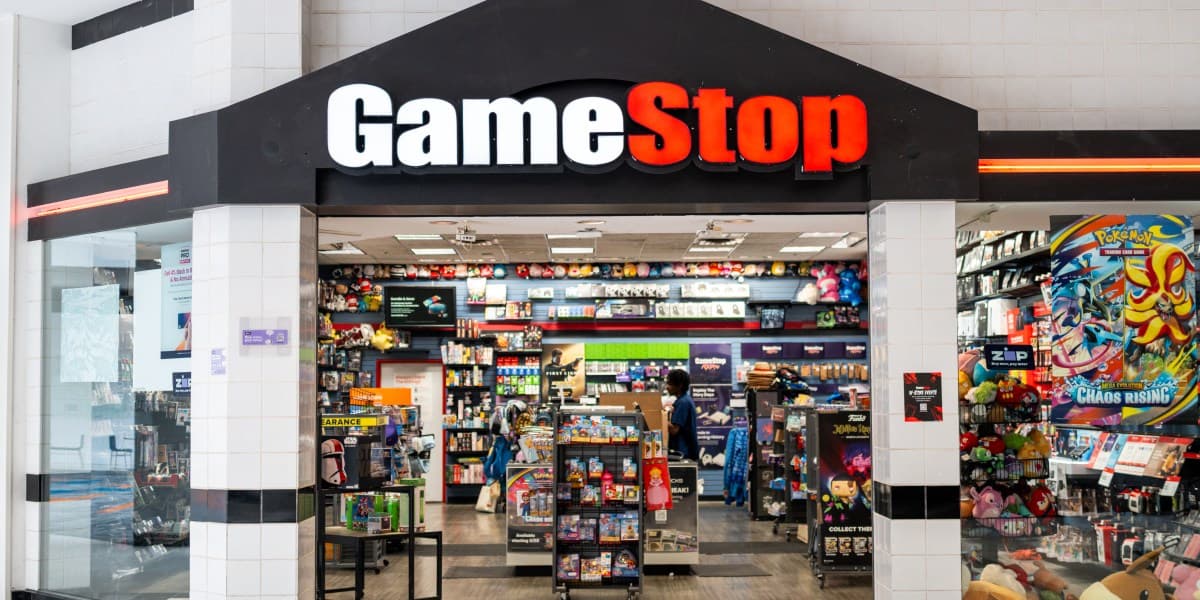
Photo via Fortune
GameStop's reported interest in acquiring eBay has drawn comparisons to one of corporate America's most cautionary tales: the 2000 AOL-Time Warner merger. According to Fortune, the structural and strategic parallels between these deals are difficult to ignore, particularly in how a smaller, rapidly evolving company seeks to absorb a larger but struggling asset. For Atlanta-area executives and investors, the comparison serves as a stark reminder of the risks inherent in pursuing transformative acquisitions without clear strategic integration plans.
The AOL-Time Warner deal, valued at $165 billion at its peak, ultimately destroyed shareholder value and is widely regarded as one of the worst mergers in business history. The fundamental problem: AOL's core internet service business lacked the foundation to sustain its valuation, while Time Warner's traditional media assets proved incompatible with the digital-first model. Experts warn that GameStop faces similarly misaligned fundamentals—a retailer struggling with its own business model attempting to absorb an e-commerce giant facing its own existential challenges.
A critical lesson from the AOL debacle centers on cultural and operational integration. The two companies operated in fundamentally different industries with competing value propositions, making synergies elusive. GameStop would face comparable challenges integrating eBay's global marketplace infrastructure, seller ecosystem, and operational complexity with its legacy retail footprint. Atlanta's business community has witnessed numerous regional mergers fail for similar reasons—incompatible cultures and unclear cost-saving mechanisms.
For eBay's board and shareholders, the cautionary tale demands rigorous scrutiny of GameStop's strategic vision and financial capacity to execute such a transformation. The critical question isn't whether the deal is theoretically possible, but whether it creates genuine value or simply masks underlying operational weakness through acquisition. Any deal of this magnitude requires clear answers about integration strategy, capital requirements, and realistic synergy timelines—lessons that remain painfully relevant three decades after AOL and Time Warner's ill-fated union.