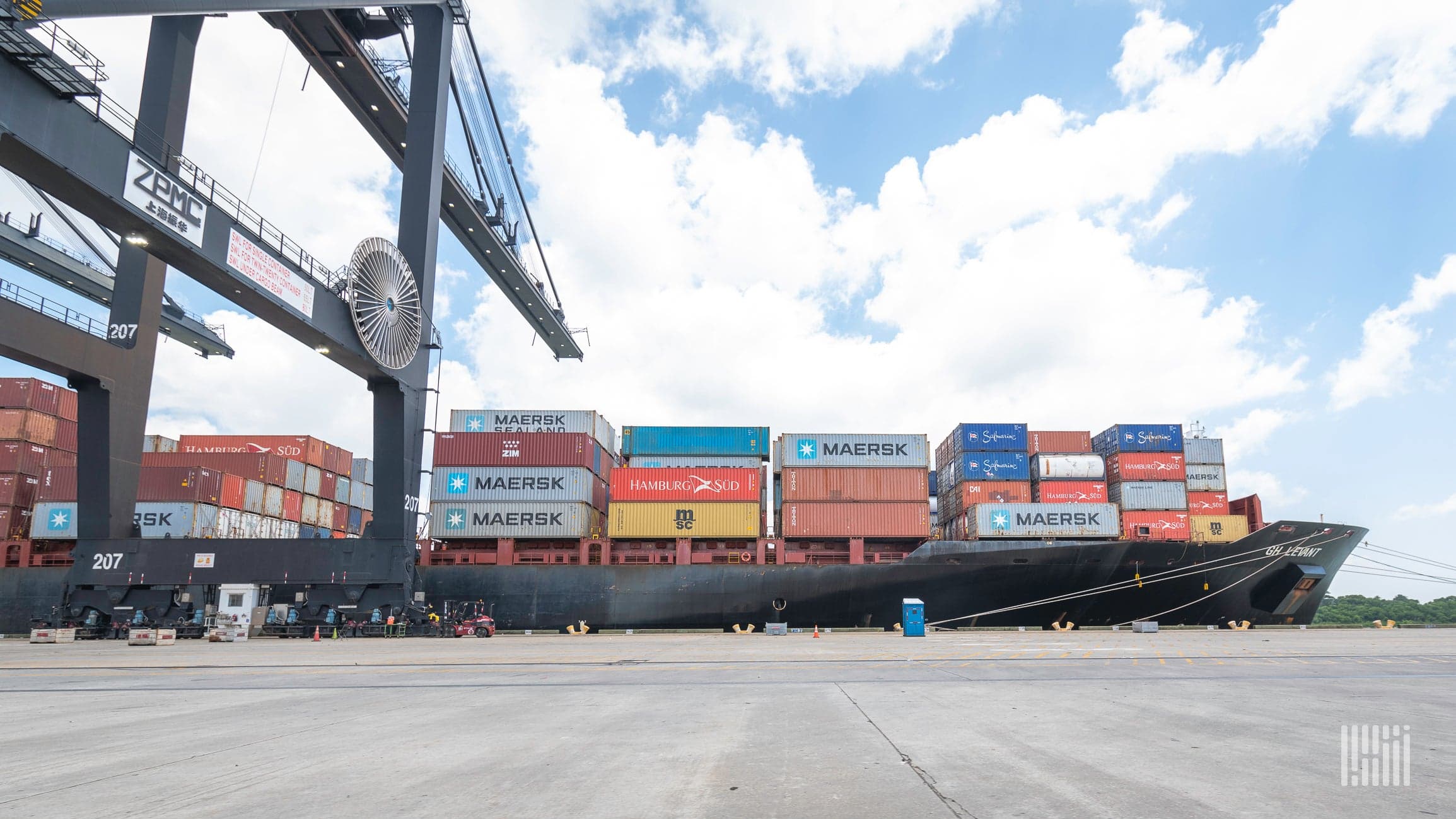
Photo via CNBC Business
Ford Motor is preparing to release its latest quarterly earnings report, with Wall Street analysts closely monitoring not just the company's financial performance, but also any revised guidance for 2026. The automaker's results will offer investors a window into how legacy American manufacturers are navigating a complex economic landscape shaped by multiple headwinds.
Geopolitical tensions, including escalating conflict in Iran, represent a wildcard investors will watch. Potential disruptions to global trade routes and energy markets could ripple through automotive supply chains, impacting companies throughout the Southeast that manufacture components or rely on imported materials for vehicle production.
Trade policy remains another critical factor. Tariffs on imported materials and components could pressure Ford's profit margins and influence the company's strategic decisions about where to source parts and locate manufacturing operations—decisions that could have implications for employment and investment across the region.
Additionally, Ford's ability to manage the industry's ongoing EV transition amid consumer hesitation will shape investor confidence. How the automaker balances electric vehicle investment with continued demand for traditional vehicles could influence market dynamics for suppliers and related businesses throughout Georgia's growing automotive sector.