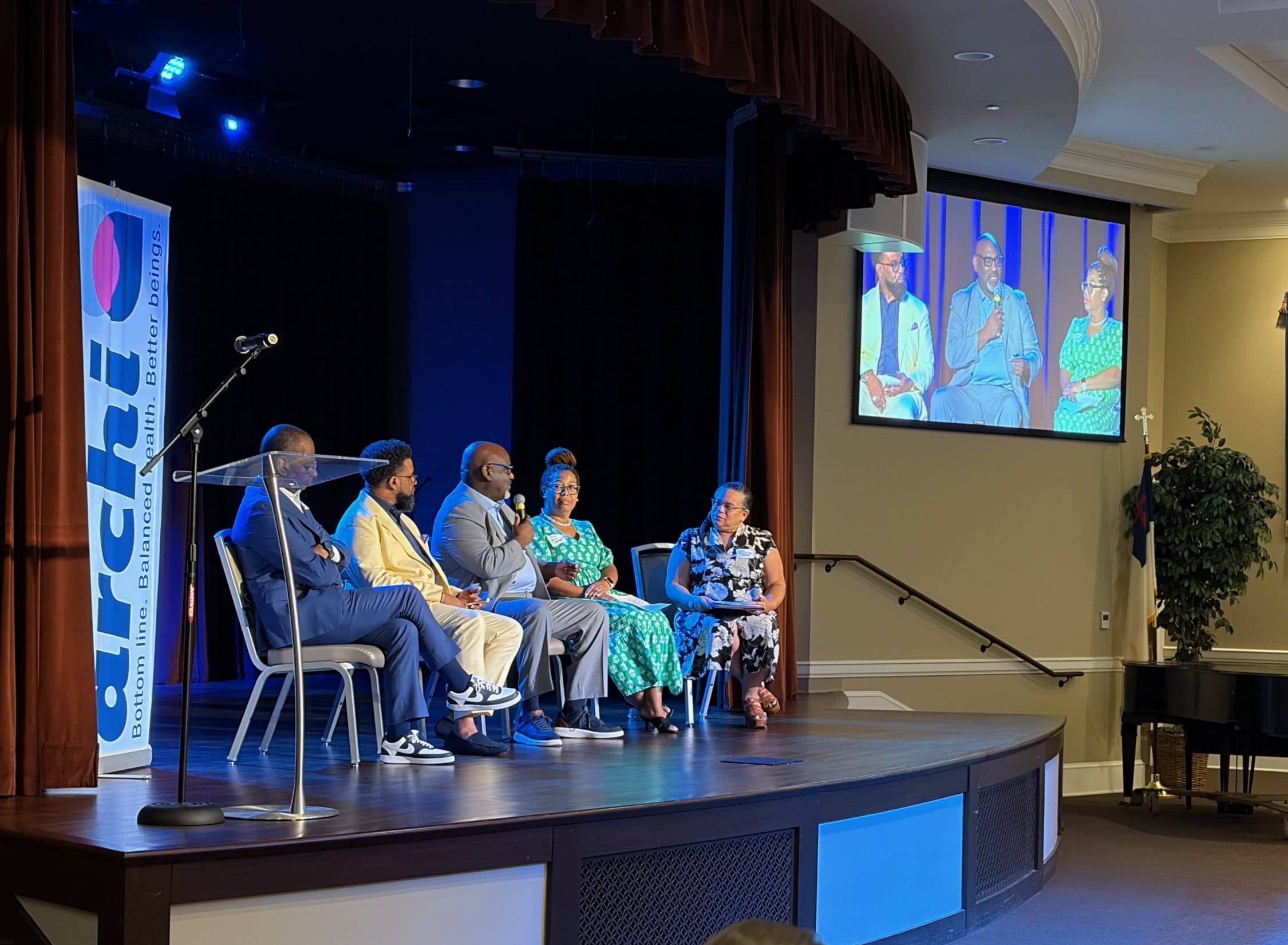
Photo via SaportaReport
What began as a compassionate community initiative has evolved into a legitimate healthcare intervention. According to reporting from SaportaReport, the 'Food Is Medicine' model is rapidly reshaping conversations within American healthcare systems, moving beyond its traditional role as a social service to become a clinically recognized treatment approach.
Atlanta-based organizations like Open Hand have championed this model for years, observing firsthand the health outcomes when individuals with serious chronic illnesses receive medically tailored nutrition support. Their on-the-ground experience predates the academic validation now emerging from research institutions, positioning the city as a testing ground for integrating food-based interventions into broader healthcare delivery.
The business case for this shift is compelling for healthcare providers, insurers, and employers. Preventative nutrition programs can reduce hospitalizations, improve disease management outcomes, and lower overall healthcare expenditures—particularly for populations managing diabetes, heart disease, and other diet-responsive conditions prevalent in Georgia.
For Atlanta healthcare executives and business leaders, the challenge now lies in building systemic support structures that sustain these programs. This requires coordination between healthcare systems, community organizations, payers, and policymakers to create reimbursement models and infrastructure that enable 'Food Is Medicine' to scale beyond pilot programs into standard care protocols.