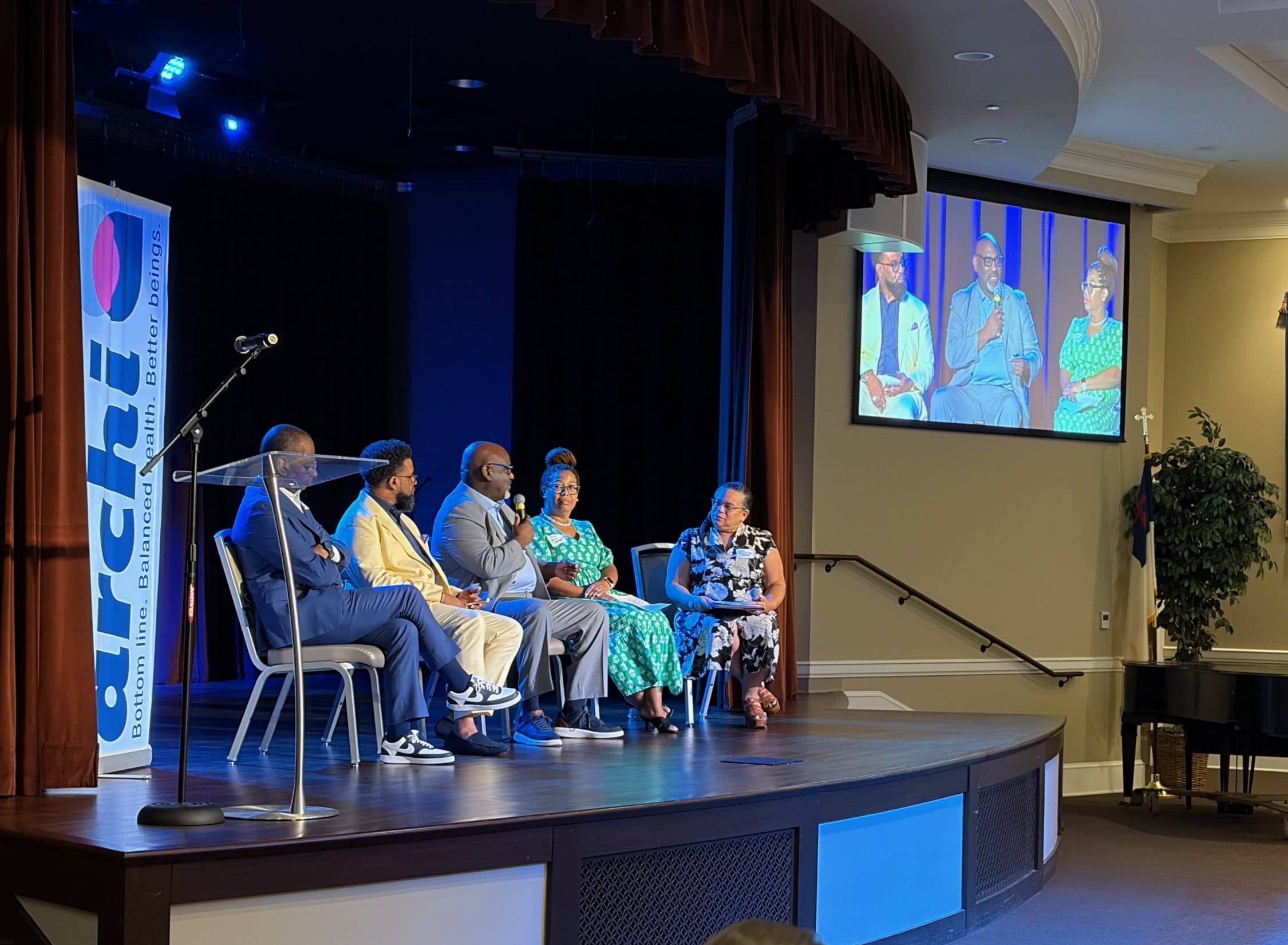
Photo via SaportaReport
The Atlanta Regional Collaborative for Health Improvement (ARCHI) brought together a cross-sector panel of experts last Friday to examine the intersection of urban policy history and public health outcomes. The breakfast program, hosted in partnership with Morehouse School of Medicine at Friendship Baptist Church, focused on the ongoing health consequences of redlining—the discriminatory lending and housing practices that shaped Atlanta's neighborhoods for decades. According to SaportaReport, the event drew academics, historians, physicians, and community leaders seeking to understand how systemic inequities embedded in real estate decisions continue to manifest in measurable health disparities today.
The use of interdisciplinary approaches—including data analysis, archival research, and virtual reality visualization—allowed participants to examine redlining's effects through multiple lenses. By combining historical documentation with contemporary health metrics and emerging visualization technologies, researchers can demonstrate clear correlations between neighborhoods targeted for disinvestment and present-day disease rates, life expectancy, and healthcare access. This evidence-based approach provides Atlanta-area policymakers and business leaders with concrete data to inform decisions around community investment and health equity initiatives.
For Atlanta's business community, understanding redlining's legacy has direct relevance to corporate community engagement strategies, real estate development planning, and workforce health initiatives. As companies increasingly focus on health equity and community impact, institutions like ARCHI and Morehouse are providing the research framework necessary to identify which neighborhoods and populations require targeted investment to address historical disparities. The collaborative model demonstrated at the breakfast signals a growing recognition that addressing Atlanta's health inequities requires coordinated effort across academic, healthcare, civic, and private sectors.