Photo via Fox5 Atlanta
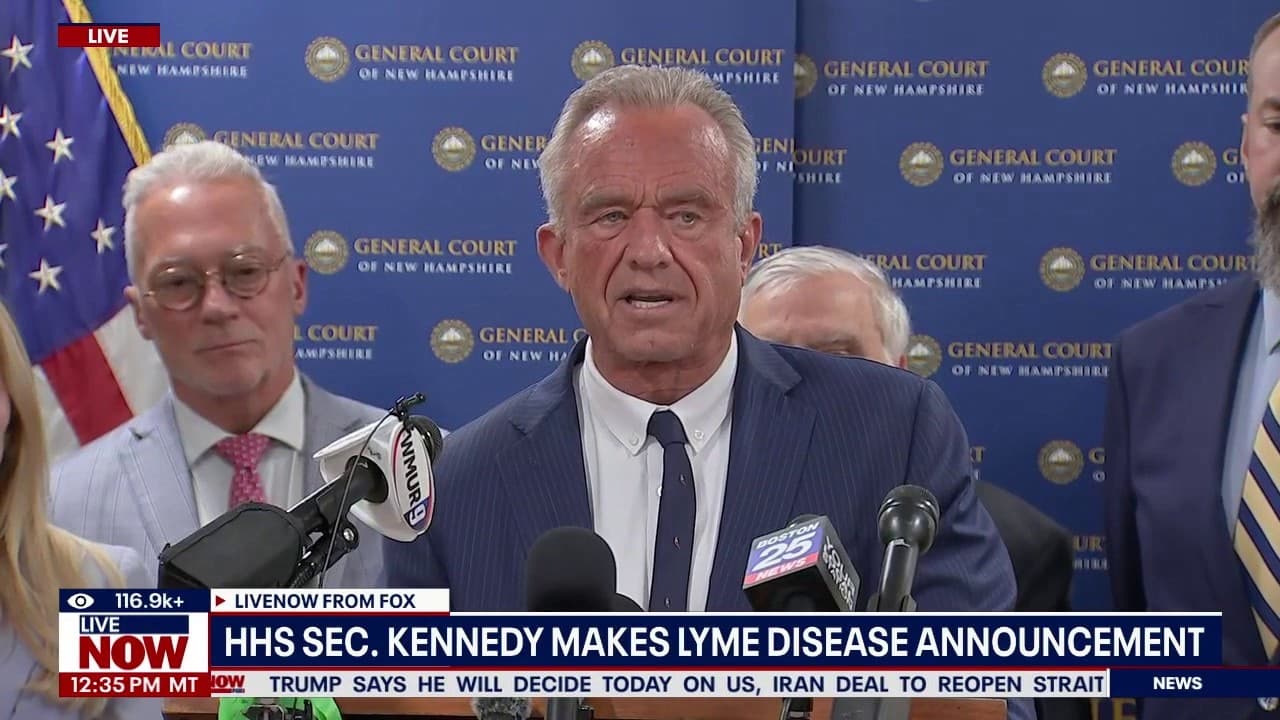
The U.S. Department of Health and Human Services has rolled out a comprehensive national initiative aimed at reducing the prevalence and impact of Lyme disease and other tick-borne illnesses. This coordinated federal effort represents a significant escalation in public health efforts to address what has become an increasingly common health concern across multiple regions, including the Southeast.
For Atlanta-area businesses, particularly those in outdoor industries, hospitality, and real estate development, the initiative underscores growing workplace health considerations. Tick-borne illnesses can result in employee absences, healthcare costs, and reduced productivity—factors that make disease prevention strategies increasingly relevant to regional employers and their human resources planning.
According to the HHS announcement, the plan encompasses multiple strategies including improved disease surveillance, research funding, and public awareness campaigns. These efforts are designed to better understand transmission patterns, accelerate diagnostic and treatment innovations, and equip communities with practical prevention resources.
Georgia businesses operating in construction, landscaping, parks and recreation, and outdoor services should monitor the initiative's rollout and consider how workplace safety protocols might need adjustment. The federal framework may also create opportunities for healthcare providers and technology companies developing tick-borne illness diagnostics and prevention solutions.