Photo via Fast Company
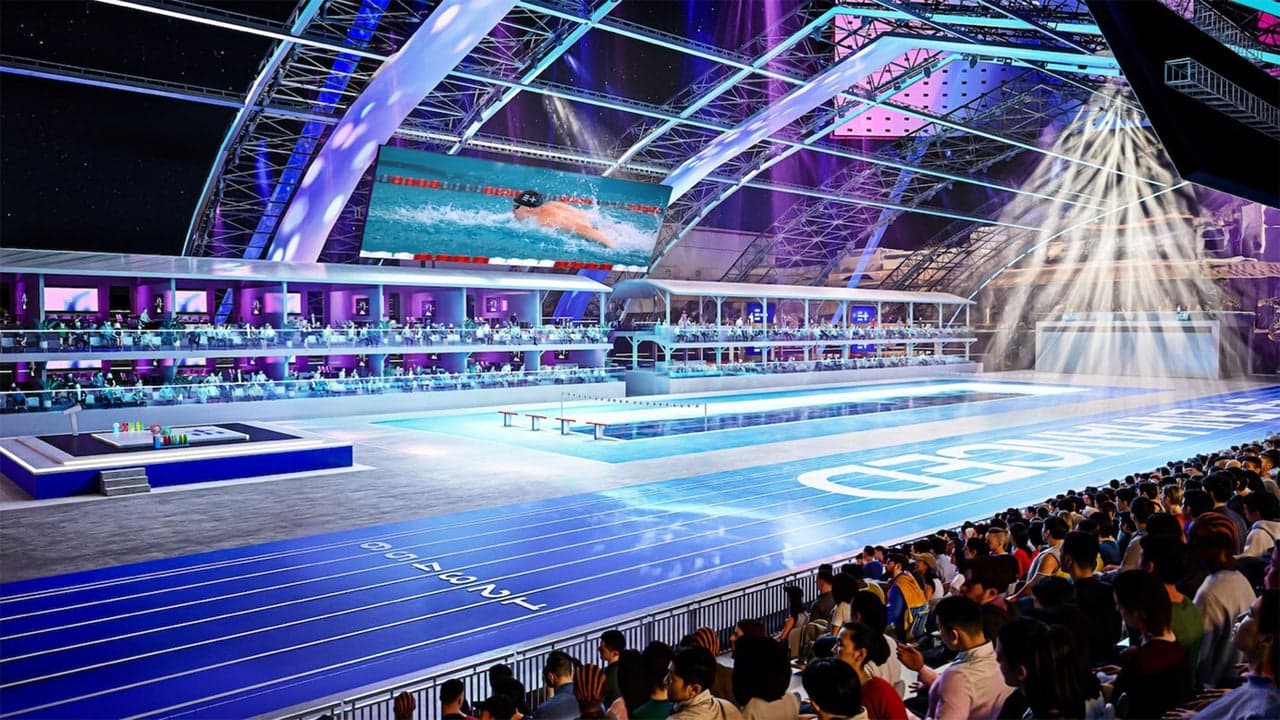
The Enhanced Games, launching this Memorial Day weekend in Las Vegas, represents a provocative challenge to decades of international sports governance. According to Fast Company, the event features 42 elite athletes—including Olympic medalists—competing in swimming, weightlifting, and running with approximately 90% openly using performance-enhancing drugs (PEDs). The competition offers $25 million in prize money and marks a deliberate pivot away from the anti-doping standards enforced by the International Olympic Committee and World Anti-Doping Agency.
Enhanced, the company organizing the games, positions itself as a longevity medicine firm focused on athletic optimization. The company went public on May 8 and has secured backing from high-profile investors including Donald Trump Jr.'s 1789 Capital and entrepreneur Peter Thiel. While the venture has generated significant criticism from traditional sports governing bodies, the company's financial success and investor roster suggest growing appetite for alternative sports models in the investment community.
The games operate within a specific regulatory framework: athletes may only use FDA-approved substances, including human growth hormones, testosterone, and metabolic modulators. Some competing athletes receive comprehensive support through Enhanced's Performance Team, which provides monthly stipends, medical oversight, coaching, and training facilities. This structured approach distinguishes the event from unregulated performance enhancement, though it still directly conflicts with international competition standards.
For Atlanta-area healthcare professionals, sports medicine practitioners, and biotech investors, the Enhanced Games signal emerging market opportunities in the longevity and performance optimization space. The event's success could influence how pharmaceutical companies and wellness startups approach athlete partnerships and direct-to-consumer health services. The controversy surrounding the games will likely shape regulatory discussions around performance enhancement for years to come.