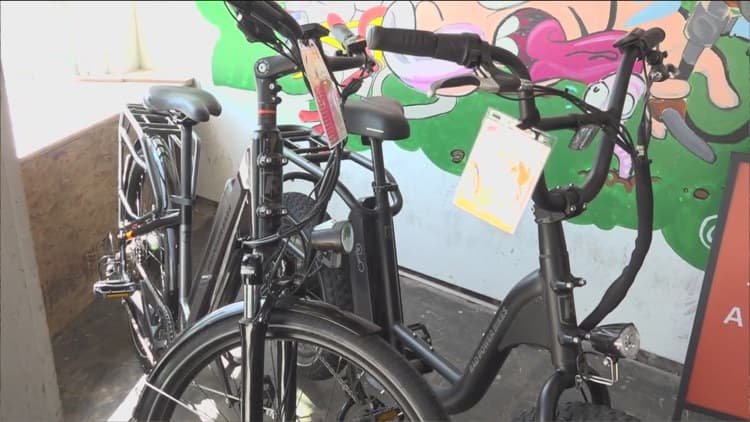
Photo via 11Alive Atlanta
The explosive growth of e-bikes in urban transportation has created a safety blind spot for Atlanta commuters. According to 11Alive Atlanta, injuries involving e-bike riders are spiking in tandem with the surge in popularity, particularly among those who may underestimate the vehicles' speed and power. For Atlanta's increasingly congested corridors—where bikes are positioned as a last-mile solution—understanding the real risks associated with these vehicles is essential for riders and motorists alike.
Unlike traditional bicycles, e-bikes combine pedal power with electric assistance, allowing riders to reach speeds that many operators haven't trained for or even expect. This gap between user perception and actual performance creates hazardous situations in downtown Atlanta and surrounding neighborhoods where bike infrastructure is still developing. The risks extend beyond individual riders to pedestrians and vehicle operators who share the road, making safety awareness a public health concern for the entire transportation ecosystem.
Atlanta-area businesses and municipalities should view e-bike safety education as an investment in workforce mobility and community health. As more companies encourage alternative commuting to reduce parking demands and support sustainability goals, employers and city planners have a shared responsibility to promote proper training, helmet use, and awareness campaigns. Addressing the safety gap now can help preserve e-bikes' potential as a viable Atlanta transportation solution while protecting riders and the public.